

Home Volume: 6 , Issue: Supplement 1
ASPiH 2026: The Next Era of Healthcare Simulation

Article History

Table of Contents

ASPiH 2026: The Next Era of Healthcare Simulation
    Editorial
      A1 Code Red Trauma: Optimising Multiservice Team Performance in Frontline Polytrauma Care
        A2 An Investigation of Near-Peer Learning in Simulation-Based Education and its Influence on the Professional Socialisation of Adult Nursing Students
          A3 Debrief Inception: Using Layered Simulation to Train Emergency Clinicians in Hot Debriefing
            A4 Overcoming Simulation Reluctance in Physiotherapy Education: Factors Influencing Student Engagement
              A5 Developing Tomorrow’s Leaders Today: Using Fully Immersive Simulation to Prepare Foundation Doctors for the Career Ladder Leaps
                A6 The Escape Womb
                  A7 Collaborative Learning in Virtual Reality Simulation: Exploring Group Dynamics Among Paediatric Trainees
                    A8 From Variability to Consistency: Implementing a Digital Training Framework for Simulated Participants
                      A9 Competing Demands: Simulating Cognitive Overload in Medical Registrars
                        A10 Embedding Human Factors and Social GRACES in Foundation Simulation Training: A Paired Pre and Post Course Evaluation
                          A11 Enhancing Reflection from Simulation: Developing an AI Tool in Nursing Education
                            A12 You’ve Been Summoned: Preparing Healthcare Professionals for Coroner’s Court Through Simulation
                              A13 Simulation for All: using a simulation-based medical escape room to enhance interprofessional education across clinical and non-clinical roles
                                A14 Using Forum Theatre to Enhance Feedback Skills in a Professional Development Programme: A Practice-Focused Innovation
                                  A15 Enhancing Confidence in International Medical Graduates Through an Immersive Simulation-Based Communication Skills Course
                                    A16 Evidence Informed Design for Acute Hospital Simulation in Occupational Therapy Education
                                      A17 At the Limits of Capacity: Corridor Simulation and Whole-System Emergency Preparedness
                                        A18 Gamifying Simulation: A Practical Approach to Teaching Non-Technical Skills in Medical Education
                                          A19 “Operation Foundation”: A novel, simulation-based scavenger hunt to aid induction for foundation doctors
                                            A20 Defusing the Pressure: A multi-site tertiary provider’s interprofessional maternity simulation delivered in collaboration with a specialist maternity organisation
                                              A21 Integrating Physical and Mental Health in Paediatric Education: A Co-Designed Simulation
                                                A22 From Paper to Practice: The Use of Documentation Simulation to Prepare Final Year Medical Students for FY1
                                                  A23 Simulation Suite to Countywide Reach: Livestreaming Interactive Healthcare Simulations
                                                    A24 Enhancing Medication Safety Competence: A Simulation-Based Approach to Patient Safety Incident Investigation for Final-Year Nursing Students
                                                      A25 Sequential simulation for developing awareness of transitional patient care in undergraduate Master Of Pharmacy (MPharm) students
                                                        A26 “Paeds Made SIMple”: A Needs-driven Multidisciplinary Simulation Programme to Improve Confidence in Acute Paediatric Care
                                                          A27 Establishing a Simulation-Based Education Service in an Irish Model 3 Hospital: From Inception to Systems-Probing Simulation
                                                            A28 Using simulation to improve confidence and skills for consultants to have end of life conversations with patients
                                                              A29 Improving Patient Safety through the delivery of Immersive Simulation Enhanced Induction Programme for International Medical Graduates transitioning into the NHS
                                                                A30 AI Virtual Patients as Preparation for Simulated Patient Training: A Pilot Study in Undergraduate Medical Education
                                                                  A31 A Sustainable, Low-Cost, High-Fidelity Lateral Canthotomy Training Eye Model
                                                                    A32 APEX in Emergency Medicine (EM): A Sustainable, Hybrid Simulation Model for High-Acuity Low-Occurrence (HALO) Procedural Training
                                                                      A33 Preparing Final-Year Nursing Students for Registered Practice Through Whole-Hospital Immersive Simulation
                                                                        A34 Digital diabetes technologies in simulation-based education: A scoping review
                                                                          A35 ESCAPING the linear: A Pilot Study of a Synchronous Digital Escape Room for Postgraduate Frailty Education
                                                                            A36 Dream Big, Squeak Bigger: The Evolution of M.I.C.E Through Simulation Based Education for ICU Nurses Practicing Locally and Nationally
                                                                              A37 Playing with Fire: A Burns-Themed Escape Room for Teaching Assessment and Management
                                                                                A38 Psychological Safety as a Core Simulation Competency: A Multinational Study of Learner and Educator Perspectives
                                                                                  A39 Children talk...but do we listen?
                                                                                    A40 Building Simulation Capability: Embedding scalable practice across Critical Care and the wider workforce
                                                                                      A41 Going beyond core training: Supporting the transition to medical registrar through simulation-based teaching of non-technical skills
                                                                                        A42 Simulation in Practice: Utilising Replicable Models for Ultrasound-Guided Cannulation Training Among Foundation and Locally Employed Doctors
                                                                                          A43 Designing a simulation-based workshop that focuses on non-technical skills in the context of multidisciplinary teamwork
                                                                                            A44 From Classrooms to Clinics: Interactive Micro-Simulation to Engage Young Minds in Healthcare
                                                                                              A45 Bridging the Skills Gap: Clinical Instructors’ Perceptions of Simunaledi for Audiology Training
                                                                                                A46 From Incident Reports to Simulation Design: A Thematic Analysis of Patient Safety Incidents in a Mental Health Trust
                                                                                                  A47 Beyond Fidelity: What Actually Makes Simulation Work for Nursing Students?
                                                                                                    A48 Rethinking Debriefing: A Conceptual Framework of Culturally Shaped Student Experiences
                                                                                                      A49 Real-world effectiveness of defibrillator-integrated CPR feedback systems during in-situ cardiac arrest events: an observational study
                                                                                                        A50 Generative AI vs Education Fellow: Who Creates Better Simulation Scenarios?
                                                                                                          A51 The Impact of Sensor-Based Feedback Systems on Cardiopulmonary Resuscitation Performance in Simulation-Based Training: A Systematic Review and Meta-Analysis
                                                                                                            A52 More than skin deep: combining visual, haptic, and sonographic realism in a low-cost pericardiocentesis phantom
                                                                                                              A53 No More Paper Cuts: Integrating Electronic Patient Records Into Interprofessional Simulation
                                                                                                                A54 Getting behind the headset: a mixed methods study to explore clinical reasoning in virtual reality simulation
                                                                                                                  A55 Optimising Immersive Simulation in Healthcare Education: A Mixed Method Study
                                                                                                                    A56 Virtual Simulation in Postgraduate Healthcare Education: Definition, Models, Potential Emerging AI-Technologies and Applications in Emergency Medicine: A Scoping Review
                                                                                                                      A57 Development of a “Home-made” Model to Simulate the Visual and Tactile Elements of Ultrasound-Guided Pericardiocentesis, Using Readily Accessible Components
                                                                                                                        A58 Utilising 360-Degree Virtual Reality Simulation for Intravitreal Injection Training: A Mixed-Methods Evaluation of Perceptions and Knowledge Acquisition in Novice Medical Students
                                                                                                                          A59 TinyDocs Talk: On-Demand Audio Simulation Supporting Paediatric ST 1 & ST 3 Interview Preparation for International Graduates
                                                                                                                            A60 Interprofessional in situ simulation to improve the Neonatal–Surgical Interface
                                                                                                                              A61 From Opportunistic Events to Integrated Learning: Developing a Coordinated Simulation Programme in A Large Children’s Hospital
                                                                                                                                A62 “Emergency Medicine Skills & Drills”: an in-situ rapid cycle deliberate practice simulation programme to improve staff confidence and equipment familiarity in the emergency department
                                                                                                                                  A63 From Incident to Simulation: Embedding a Trust-Based Framework for Learning from Clinical Events
                                                                                                                                    A64 Why Your Voice Matters: Using Simulation to Strengthen Speaking Up Culture and Transform Values Based Behaviour in Multi-Professional Healthcare Teams- a Collaborative Project
                                                                                                                                      A65 Optimising Emergency Thrombolysis Preparedness for Acute Pulmonary Embolism Through Simulation-Based Education: A Two-Cycle Quality Improvement Study
                                                                                                                                        A66 Identifying and reducing resuscitation risks during building maintenance via transformative simulation
                                                                                                                                          A67 Using Simulation and Healthcare Failure Mode and Effects Analysis (HFMEA) to Identify Latent Safety Threats During the Building and Commissioning of a New Three-Floor Hospital Wing
                                                                                                                                            A68 Capturing Real Change: Designing Our Feedback System to Measure True Effect
                                                                                                                                              A69 Testing the System Before the Patient: Using In-Situ Simulation to Identify and Mitigate Latent Safety Threats in a New Day Surgery Unit
                                                                                                                                                A70 Simulation-based evaluation of Operational Systems and Processes during the Pre-Opening Phase of Community Hospital Theatres to ensure service readiness
                                                                                                                                                  A71 Hidden labour in simulation: supporting simulated participants in emotionally demanding roles
                                                                                                                                                    A72 Use of healthcare simulation activities to foster effective teamwork, communication, and problem-solving among non-healthcare professionals
                                                                                                                                                      A73 Reaching Further, Training Smarter: NHS Scotland’s Mobile Skills Unit driving transformative simulation training and building resilience in remote & rural Scotland
                                                                                                                                                        A74 When Seconds Matter: Multidisciplinary Team In-Situ Simulation of Cardiac Emergencies within the Catheter Laboratory Setting
                                                                                                                                                          A75 Using Simulation to Identify Systems Issues in the Newly Designed Paediatric Major Haemorrhage Policy
                                                                                                                                                            ASPiH 2026: The Next Era of Healthcare Simulation

                                                                                                                                                            ASPiH 2026: The Next Era of Healthcare Simulation

                                                                                                                                                            Article Type: Abstracts


                                                                                                                                                            Editorial

                                                                                                                                                            Robyn Jane Stiger1, Paul O’Connor2, Carla Sa-Couto3, Sharon Marie Weldon4

                                                                                                                                                            [1] Oxford Institute of Applied Health Research, Oxford Brookes University, Oxford, United Kingdom

                                                                                                                                                            [2] School of Medicine, University of Galway, Galway, Ireland

                                                                                                                                                            [3] RISE-Health, Faculty of Medicine, University of Porto, Portugal

                                                                                                                                                            [4] Institute of Lifecourse Development, University of Greenwich, London and Southeast University Group, United Kingdom

                                                                                                                                                            Correspondence: robynstiger@brookes.ac.uk

                                                                                                                                                            Introduction

                                                                                                                                                            The Association for Simulated Practice in Healthcare (ASPiH) annual conference will be held at the Harrogate Convention Centre, England, from 25 to 27 November 2026. Bringing together a collective community, including clinicians, educators, researchers, technicians, technology specialists, industry partners, students, simulated people, and patient advocates, ASPiH 2026 provides a timely forum to explore our defining theme: Simulation: The Next Era. This theme invites us to look beyond the boundaries of traditional applications of simulation for training and education, recognise more contemporary applications, and anticipate future possibilities.

                                                                                                                                                            This year’s metrics reflect both systemic growth and our community's expanding global reach. From 448 submitted abstracts representing lead and contributing authors across 26 countries, the scientific committee selected 82 oral presentations, 275 poster presentations, and 30 interactive workshops. The latter include a new strand of collaborative workshops designed and delivered with industry partners to foster shared learning, development, and real-world application.

                                                                                                                                                            The conference programme is framed around five key thematic pillars: Education, Transformation, Technology, Scholarship, and Leadership. Together, these reflect the widening scope of simulation practice and an increasingly mature and multidimensional profession - a direction also reflected in ASPiH’s Professional Development Framework [1].

                                                                                                                                                            Complementing the main scientific programme, ASPiH 2026 begins with the ASPiH X-perience Day, bringing Special Interest Groups (SIGs) together across six collaborative tracks to explore shared challenges from different perspectives and create connections across established communities of practice. This pre-conference event features a Writing Retreat with Editors-in-Chief of the Journal of Healthcare Simulation (JoHS) and Simulation in Healthcare, alongside a workshop in collaboration with the Royal College of Anaesthetists. The core conference includes international collaborations with the Society for Simulation in Europe (SESAM), EuSim, and Association of Standardized Patient Educators (ASPE - The global network for human simulation education), alongside SIG and industry-supported sessions addressing emerging technologies, innovation, and the expanding applications of simulation.

                                                                                                                                                            The Maturation of Healthcare Simulation

                                                                                                                                                            A key marker of our discipline’s maturity is the development and growing adoption of the ASPiH Standards [2] and the Professional Development Framework [1], providing common reference points for quality, professional development, and the evolving roles of those working across simulation.

                                                                                                                                                            Today’s simulation landscape is noticeably richer and more diverse than in years past. We see a broader mix of professions facilitating and enabling learning and transformation. Simulation technicians and technology specialists are now recognised as core colleagues in design, delivery, and system innovation alongside clinicians and educators. This evolution is highlighted in this year’s programme through keynote addresses, such as “Just a Technician”, and an international session exploring the updated Association of Standardized Patient Educators (ASPE) Human Simulation Standards of Practice [3]. Our community is also using an expanded range of modalities and approaches, from immersive digital and artificial intelligence (AI) to cultural and systems-level simulation, addressing challenges spanning education, human factors, quality and safety, workforce development, patient and public involvement, innovation, and system change.

                                                                                                                                                            National recognition reached an important milestone with the publication of the Higher Education Commission's inquiry report, “Trained for Tomorrow: A Plan for the Future NHS Workforce” [4], which explicitly calls for practice learning hours to be delivered by providers meeting quality standards aligned with ASPiH [2]. This represents an important shift: from simulation quality being advocated primarily from within the simulation community towards its recognition within wider discussions about healthcare education and workforce development.

                                                                                                                                                            Extending the Reach of Healthcare Simulation

                                                                                                                                                            “The Next Era” demands that we look beyond traditional healthcare boundaries. Simulation is increasingly reaching into primary care networks, social care, community systems, the third sector, and industrial technology co-production. By breaking down sectoral silos, simulation operates not only as an educational tool for clinicians, but as a strategic driver for inter-agency collaboration, public safety, system architecture design, and cross-sector innovation. This expanding role is also reflected in transformative approaches to simulation, where simulation is intentionally used not only for learning, but to understand systems, involve stakeholders, identify needs, and enable change [5].

                                                                                                                                                            This spirit of collaboration is reflected across the ASPiH 2026 conference through international partnerships, including the hosting of the World Alliance for Healthcare Simulation meeting, the SESAM SiReN collaboration, and industry-led mentorship initiatives like Dragon’s Den, pairing commercial expertise with healthcare innovators to accelerate real-world solutions. Collectively, these activities reflect an increasingly important role for ASPiH as a convenor, connecting communities, organisations, and sectors around shared challenges.

                                                                                                                                                            Shaping the Future of Simulation

                                                                                                                                                            The conference also coincides with ASPiH’s new 2026–2029 strategy and its ambition to strengthen its role as a recognised authority for health and care simulation: connecting and aligning the community, increasing its influence, and creating the conditions for people across simulation to contribute and lead [6].

                                                                                                                                                            The breadth of this forward-facing agenda is reflected in keynote contributions, including “Simulation from Southern Latitudes: Rethinking Resources, Equity and Impact in Healthcare” and “Thinking about Thinking”, alongside a dedicated panel keynote discussion, “The Power of the Positive: Using Simulation to Learn from Excellence,” which includes the patient voice and patient advocacy.

                                                                                                                                                            Supporting this vision is investment in the next generation: initiatives like the Student SimStars competition highlight the creative potential of student practitioners who will lead and define simulation practice in the next era. By aligning the wider ecosystem, ASPiH aims to showcase the benefits of simulation to influence cultural and system-level needs, patient safety, and workforce development.

                                                                                                                                                            Demonstrating the Wider Impact of Simulation

                                                                                                                                                            As the reach and ambition of simulation expand, so too must the ways in which we understand and evaluate its impact. Educational outcomes remain important, but they cannot alone capture simulation’s potential contribution to workforce development, healthcare quality and safety, system understanding, equity, patient and public involvement, and organisational change. The next era therefore brings an important challenge for the simulation community: to develop stronger evidence not simply that simulation works, but how, for whom, in what contexts, and towards what outcomes.

                                                                                                                                                            Conclusion

                                                                                                                                                            The breadth and diversity of the abstracts presented in this supplement reflect the continuing maturation of healthcare simulation as a discipline. Education and training remain central to its purpose, but the field is increasingly extending its reach: into workforce development, technology, healthcare systems, organisational culture, quality and safety, and wider forms of transformation.

                                                                                                                                                            The next era of healthcare simulation will therefore not be defined by any single technology, methodology, or application. Rather, it will be characterised by a maturing profession, a widening community, and an increasing ambition to use simulation not only to develop individuals and teams, but to understand and influence the systems in which health and care are delivered.

                                                                                                                                                            ASPiH’s challenge, and opportunity, is to help connect that community, strengthen its professional foundations, build the evidence for its impact, and ensure that simulation continues to evolve in response to the needs of patients, practitioners, and health and care systems.

                                                                                                                                                            Acknowledgements:

                                                                                                                                                            Thank you to everyone who responded to the call for abstracts for this year's ASPiH conference and to the scientific committee members and peer reviewers involved in the abstract reviewing process.

                                                                                                                                                            Authors’ contributions:

                                                                                                                                                            RS conceived and wrote the first draft of the article. All other authors reviewed and contributed to subsequent drafts of the article and approved the final version.

                                                                                                                                                            Funding:

                                                                                                                                                            None declared.

                                                                                                                                                            Availability of data and materials:

                                                                                                                                                            Not applicable.

                                                                                                                                                            Ethics approval and consent to participate:

                                                                                                                                                            Not applicable.

                                                                                                                                                            Competing interests:

                                                                                                                                                            All authors are members of the Executive Committee of ASPiH, and CSC, PO, and SMW are members of the editorial board of JoHS.

                                                                                                                                                            References

                                                                                                                                                            1. Association for Simulated Practice in Healthcare (ASPiH). Professional Development Framework. 2026. Available from: https://aspih.org.uk/professional-practice/professional-development-framework/

                                                                                                                                                            2. Diaz-Navarro C, Laws-Chapman C, Moneypenny M, Purva M. The ASPiH Standards – 2023: guiding simulation-based practice in health and care. International Journal of Healthcare Simulation. 2024. doi: 10.54531/nyvm5886.

                                                                                                                                                            3. Lewis K, Bohnert CA, Wallace AM, Yelen ME, Webster T, Tierney T, Hopkins H, Elcin M, Brem B, Thompson TM, Clark L, Smith CM. Association of SP Educators (ASPE) Standards of Practice for Human Simulation 2026. Journal of Healthcare Simulation. [Accepted manuscript].

                                                                                                                                                            4. Higher Education Commission. Trained for Tomorrow: A Plan for the Future NHS Workforce — Inquiry Report. London: Policy Connect / Higher Education Commission. 2026. Available from: https://policyconnect.org.uk/report/trained-for-tomorrow-a-plan-for-the-future-nhs-workforce/.

                                                                                                                                                            5. Weldon S, Buttery A, Spearpoint K, Kneebone R. Transformative forms of simulation in health care – the seven simulation-based ‘I’s: a concept taxonomy review of the literature. International Journal of Healthcare Simulation. 2023. doi: 10.54531/tzfd6375.

                                                                                                                                                            6. Association for Simulated Practice in Healthcare (ASPiH). Strategic Priorities. 2026. Available from: https://aspih.org.uk/about/strategy/


                                                                                                                                                            A1 Code Red Trauma: Optimising Multiservice Team Performance in Frontline Polytrauma Care

                                                                                                                                                            Victoria Tay12, Vasant Mohandas123, Anna Galley1

                                                                                                                                                            [1] Frimley Health Foundation Trust, Slough, United Kingdom

                                                                                                                                                            [2] Oxford University Hospitals Foundation Trust, Oxford, United Kingdom

                                                                                                                                                            [3] Nottingham University Hospitals Foundation Trust, Nottingham, United Kingdom

                                                                                                                                                            Correspondence: victoria.tay@nhs.net

                                                                                                                                                            Context and Purpose:

                                                                                                                                                            Managing critically unwell polytrauma patients is an infrequent but high-stakes event in District General Hospitals. In 2022, a cluster of such cases exposed significant non-clinical challenges—particularly around team formation, communication, and coordination under pressure. These events highlighted that addressing technical proficiency alone was insufficient; performance was limited by human factors and team dynamics. In response, we developed a large-scale, multidisciplinary simulation programme—the Code Red Trauma Day—designed to optimise teamwork, decision-making, and performance in complex trauma scenarios.

                                                                                                                                                            Approach:

                                                                                                                                                            Eighty participants from across the trauma pathway (doctors, nurses, paramedics, helicopter emergency medical services, and police) were enrolled and allocated into eight multidisciplinary teams. The programme combined short, targeted lectures, skills stations, cadaveric exposure, and high-fidelity simulation. Scenarios were deliberately designed to replicate cognitive overload, uncertainty, and inter-team dependency, with a focus on leadership, communication, and shared mental models.

                                                                                                                                                            Sessions were co-designed and delivered by trauma specialists, human factors experts from the aviation industry, and clinical psychologists, ensuring both clinical and behavioural fidelity. Pre- and post-course questionnaires assessed understanding of key concepts and self-reported confidence. To maintain relevance across diverse professional groups, all content was mapped to a unified clinical and human factors curriculum, with multidisciplinary faculty input at every stage of design and delivery.

                                                                                                                                                            Outcomes and Impact:

                                                                                                                                                            Despite the inherent challenges in quantifying non-technical skill development, both quantitative and qualitative outcomes were compelling. Mean self-reported confidence in trauma management improved by 26.01%, and 99% of participants reported enhanced understanding of key trauma principles.

                                                                                                                                                            Qualitative feedback consistently emphasised the value of learning with rather than about other services. Participants highlighted improved appreciation of roles, clearer communication strategies, and increased confidence in speaking up within high-pressure environments. The immersive, psychologically safe environment enabled honest reflection on performance and behaviour—an outcome rarely achieved in routine clinical practice.

                                                                                                                                                            Delivering a programme of this scale required careful balancing of educational value with service provision. This was addressed through early stakeholder engagement, protected time allocation, and robust scheduling. Multidisciplinary faculty oversight ensured consistency while allowing adaptation to varied professional needs.

                                                                                                                                                            Reflections:

                                                                                                                                                            The success of Code Red Trauma Day demonstrates a clear demand for experiential, multidisciplinary training that reflects the realities of modern trauma care. Its design is scalable and transferable across institutions, with potential application to other high-acuity, low-frequency clinical scenarios where team performance is critical.

                                                                                                                                                            Ethics Statement:

                                                                                                                                                            As the submitting author, I can confirm that all relevant ethical standards of research and dissemination have been met. Additionally, I can confirm that the necessary ethical approval has been obtained, where applicable.

                                                                                                                                                            Conflict of Interest:

                                                                                                                                                            N/A


                                                                                                                                                            A2 An Investigation of Near-Peer Learning in Simulation-Based Education and its Influence on the Professional Socialisation of Adult Nursing Students

                                                                                                                                                            Andrew Santos1

                                                                                                                                                            [1] University of the West of England (UWE), United Kingdom

                                                                                                                                                            Correspondence: andrew.santos@uwe.ac.uk

                                                                                                                                                            Introduction:

                                                                                                                                                            Professional socialisation describes the process through which students internalise professional knowledge, skills, values, behaviours, and ethical standards, integrating these into an evolving professional identity [1]. Within increasingly complex and pressurised healthcare environments, students may experience disillusionment when encountering a mismatch between theoretical ideals and the realities of clinical practice, potentially leading to negative socialisation. Simulation-based education (SBE) is widely recognised for enhancing clinical competence, confidence, and decision-making [2,3]. However, there is limited understanding of how SBE, when combined with near-peer learning, influences the development of professional identity. This study aims to explore how near-peer learning embedded within SBE contributes to the professional socialisation of adult nursing students.

                                                                                                                                                            Methods:

                                                                                                                                                            This study is theoretically underpinned by social constructivism and pragmatism and adopts a qualitative case study design. Conducted at a UK university, between 2019–26, the study involved first and third-year adult nursing students participating in a structured, five-stage research process. Stage one involved the co-design of simulation scenarios through collaboration between students and academic staff, enhancing authenticity and learner relevance. Stage two focused on simulation delivery, incorporating near-peer facilitation, where senior students supported junior learners. Stages three to five comprised data collection: post-simulation questionnaires, structured debrief sessions, and follow-up semi-structured interviews. This multi-method approach enabled rich data generation, supported participant engagement, and facilitated triangulation across multiple points of reflection.

                                                                                                                                                            Results:

                                                                                                                                                            Findings indicate that near-peer supported SBE creates meaningful opportunities for reflection, collaboration, and professional identity development. Junior students reported increased confidence, reduced anxiety, and a stronger sense of belonging within the learning environment. Senior students described enhanced readiness for professional practice, alongside the development of leadership, teaching, and communication skills. Across both groups, key themes included empathy, collaboration, self-assurance, and the normalisation of learning through shared experiences.

                                                                                                                                                            Discussion:

                                                                                                                                                            Near-peer learning within SBE offers a psychologically safe and socially situated learning environment that supports professional socialisation. It enables students to rehearse professional roles, engage in reflective practice, and bridge the gap between theory and clinical reality. The findings highlight the value of integrating peer-supported simulation within undergraduate nursing curricula to foster early professional identity formation, enhance learner confidence, and support transition to registered practice. This approach has potential for wider application across healthcare education contexts.

                                                                                                                                                            Ethics Statement:

                                                                                                                                                            As the submitting author, I can confirm that all relevant ethical standards of research and dissemination have been met. Additionally, I can confirm that the necessary ethical approval has been obtained, where applicable.

                                                                                                                                                            Conflict of Interest:

                                                                                                                                                            N/A

                                                                                                                                                            References

                                                                                                                                                            1. Mariet J. Professional socialization models in nursing. Int J Nurs Educ. 2016;8(3):143–8.

                                                                                                                                                            2. Cant RP, Cooper SJ. Use of simulation-based learning in undergraduate nurse education: An umbrella systematic review. Nurse Educ Today. 2017;49:63–71.

                                                                                                                                                            3. Görücü S, Türk G, Karaçam Z. The effect of simulation-based learning on nursing students’ clinical decision-making skills: Systematic review and meta-analysis. Nurse Educ Today. 2024;140:106270.


                                                                                                                                                            A3 Debrief Inception: Using Layered Simulation to Train Emergency Clinicians in Hot Debriefing

                                                                                                                                                            Olaoluwa Bolujoko1, Sarah Miriam Perkin1

                                                                                                                                                            [1] Barts Health NHS Trust, Greater London, United Kingdom

                                                                                                                                                            Correspondence: olaoluwa.bolujoko@nhs.net

                                                                                                                                                            Context and Purpose:

                                                                                                                                                            Emergency Departments (EDs) regularly encounter challenging events that pose significant risks to staff well-being and team performance [1]. Hot debriefs are brief, structured conversations held immediately following a critical incident. Despite evidence that hot debriefs promote psychological safety, normalise reflection, and mitigate burnout, they often do not occur [1]. This was echoed in our own context as pre-session survey data confirmed that while most participants had witnessed events warranting a hot debrief, many had not experienced one, citing service pressures and absence of trained leaders as barriers.

                                                                                                                                                            This simulation-based session was designed to address that gap by equipping middle-grade emergency clinicians with the skills and confidence to initiate and lead hot debriefs, in alignment with RCEM Speciality Learning Outcomes SLO7, SLO8, and SLO9 [2].

                                                                                                                                                            Approach/Description of Practice:

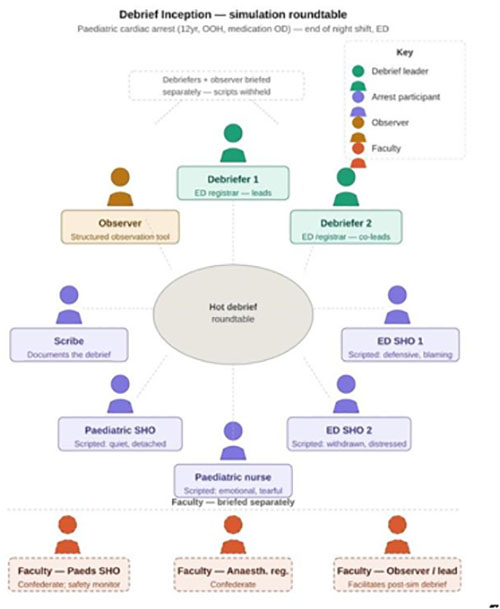
                                                                                                                                                            A scenario-based simulation was designed around the aftermath of a paediatric out-of-hospital cardiac arrest at the end of a night shift. Eight clinicians and three faculty participated. A layered roleplay design was used: two participants acted as debrief leaders; five others adopted pre-scripted emotional and behavioural personas, including interpersonal conflict and expressions of distress; the remaining participant observed. Participants were briefed separately, with no prior knowledge of assigned roles.

                                                                                                                                                            The ensuing debrief of the scripted scenario followed the Diamond debriefing model (Describe-Analyse-Apply) [3], with faculty facilitating structured reflection examining chronological structuring, facilitation technique, emotional attunement, and the conditions required for psychological safety.

                                                                                                                                                            Learning Outcomes and/or Impact:

                                                                                                                                                            Post-session survey data showed that all participants felt the session developed their non-technical skills and created a meaningful opportunity for reflection. They all reported increased confidence in leading a hot debrief. Key learning included the importance of chronological framing, checking team membership before beginning, managing conflict without attributing blame, and recognising nonverbal cues of distress. All indicated they would adopt a more deliberate, structured approach in future.

                                                                                                                                                            Reflections and Transferability:

                                                                                                                                                            The layered roleplay design generated authentic emotional dynamics and enabled participants to practise identifying and managing real responses rather than anticipated ones. Pre-scripting behavioural roles required careful, separate faculty briefing; this preparation time should be incorporated into future iterations.

                                                                                                                                                            The approach is transferable to any high-acuity clinical setting where hot debriefs are required and the provision of requisite training may bridge the gap in their occurrence. Minimal equipment is required and the design adapts to different group sizes and timeframes, making it suitable for integration into existing postgraduate faculty development programmes.

                                                                                                                                                            Ethics Statement:

                                                                                                                                                            As the submitting author, I can confirm that all relevant ethical standards of research and dissemination have been met. Additionally, I can confirm that the necessary ethical approval has been obtained, where applicable.

                                                                                                                                                            Conflict of Interest:

                                                                                                                                                            N/A

                                                                                                                                                            References

                                                                                                                                                            1. Sugarman M, Graham B, Langston S, Nelmes P, Matthews J. Implementation of the ‘TAKE STOCK’ Hot Debrief Tool in the ED: a quality improvement project. Emerg Med J. 2021;38(8):579–84. doi: 10.1136/emermed-2019-208830.

                                                                                                                                                            2. Royal College of Emergency Medicine. RCEM Curriculum 2021. London: RCEM; 2021. Available from: https://rcem.ac.uk/curriculum/ [Accessed April 2026].

                                                                                                                                                            3. Jaye P, Thomas L, Reedy G. ‘The Diamond’: a structure for simulation debrief. Clin Teach. 2015;12(3):171–5. doi: 10.1111/tct.12300.
                                                                                                                                                            Supporting Figure


                                                                                                                                                            A4 Overcoming Simulation Reluctance in Physiotherapy Education: Factors Influencing Student Engagement

                                                                                                                                                            Dean Walker1

                                                                                                                                                            [1] University Of Lincoln, Lincoln, United Kingdom

                                                                                                                                                            Correspondence: dewalker@lincoln.ac.uk

                                                                                                                                                            Introduction:

                                                                                                                                                            Simulation-based education (SBE) is widely used within pre-registration healthcare education to support authentic learning experiences [1]. However, engagement in simulation is not guaranteed, with some learners remaining reluctant to participate actively despite efforts to create supportive learning environments. This study explores how engagement in SBE is experienced by MSc pre-registration physiotherapy students.

                                                                                                                                                            Methods:

                                                                                                                                                            Using a hermeneutic phenomenological approach [2], a qualitative study was conducted to explore the lived experiences of MSc pre-registration physiotherapy students engaging in SBE. Focus groups were undertaken at the University of Lincoln in June 2025. Data were collected through semi-structured group discussions and analysed using reflexive thematic analysis [3], allowing an interpretive exploration of how engagement was experienced and shaped within simulation.

                                                                                                                                                            Results:

                                                                                                                                                            Findings revealed fear as the dominant factor shaping engagement in SBE, driven not by task difficulty but by perceived peer judgement. Learners described participation as exposing their emerging professional identity, where performance was interpreted as a reflection of competence and credibility. This created a tension: while immersive, high-fidelity scenarios enhanced authenticity and professional identity formation, they also intensified fear and reluctance to engage. Cohort culture emerged as a key mediator of this experience. In less established cohorts, fear was individualised and heightened, constraining engagement. In more cohesive cohorts, fear was shared and socially contained, enabling participation and learning. Engagement in simulation was therefore not solely influenced by facilitator-led strategies, but by socially constructed dynamics within the learner group.

                                                                                                                                                            Discussion:

                                                                                                                                                            These findings suggest that engagement in SBE is not solely determined by individual learner readiness or facilitator design, but is socially constructed through peer dynamics, professional identity, and cohort culture. While simulation is frequently positioned as a psychologically safe learning environment, particularly by facilitators, this safety cannot be assumed or established through briefing alone. Instead, it emerges through shared norms, relationships, and collective experience within the learner group. The findings highlight a tension between authenticity and emotional risk, where immersive simulation both supports identity development and exposes learners to perceived judgement from the cohort. Psychological safety in simulation is therefore not delivered by design, but developed through culture.

                                                                                                                                                            Ethics Statement:

                                                                                                                                                            As the submitting author, I can confirm that all relevant ethical standards of research and dissemination have been met. Additionally, I can confirm that the necessary ethical approval has been obtained, where applicable.

                                                                                                                                                            Conflict of Interest:

                                                                                                                                                            N/A

                                                                                                                                                            References

                                                                                                                                                            1. Newhouse L, Polwart N. What can simulation educators learn from the reluctant participant? An exploration of the factors influencing engagement amongst adult learners participating in paediatric simulation training. Advances in Simulation. 2025 Feb 13;10(1):4. doi: 10.1186/s41077-025-00331-9.

                                                                                                                                                            2. Finlay, L. Phenomenology for Therapists: Researching the Lived World. John Wiley & Sons, Incorporated. 2011. Available from: http://ebookcentral.proquest.com/lib/ulinc/detail.action?docID=819252

                                                                                                                                                            3. Braun, V, Clarke V. Toward good practice in thematic analysis: Avoiding common problems and be(com)ing a knowing researcher. International Journal of Transgender Health. 2022;24(1):1–6. doi: 10.1080/26895269.2022.2129597.


                                                                                                                                                            A5 Developing Tomorrow’s Leaders Today: Using Fully Immersive Simulation to Prepare Foundation Doctors for the Career Ladder Leaps

                                                                                                                                                            Alex Parker1, Gerard de las Alas1, Sunny Jutla1

                                                                                                                                                            [1] University Hospitals of Leicester, United Kingdom

                                                                                                                                                            Correspondence: alexparkerlane@btinternet.com

                                                                                                                                                            Context and Purpose:

                                                                                                                                                            Early career resident doctors often find themselves in leadership roles; it is well recognised they are left feeling underprepared by their traditional training, particularly when acutely unwell patients are involved [1]. Foundation Year 2 (F2) trainees are expected to provide advice and support to Foundation Year 1 (F1) colleagues, representing the first formal steps in progressing leadership skills. Health Education England advocate leadership development should start early [2], yet there is no solution to address this in an already crowded curriculum. University Hospitals of Leicester run a mandatory half-day Acute Care Simulation Course for Foundation Doctors, enabling attendees to meet these recommendations alongside their curriculum requirements in a safe environment.

                                                                                                                                                            Approach:

                                                                                                                                                            Using 360-degree camera technology and sound mixing to produce high-fidelity simulation scenarios, over 350 Foundation Doctors experience the half-day course annually. In pairs, F1s and F2s complete three acute scenarios; 2025/2026 focused on missed ruptured ectopic pregnancy, overdose and subsequent respiratory depression and life-threatening asthma progressing to cardiac arrest. Assessing F2s who have completed the UHL Acute Care Simulations as F1s, allowed trainers to assess learning transfer and how they have acquired the correct attitude and approach to critically unwell patients, in keeping with level 2 of the Kirk-Patrick model [3]. Double-blinding these candidates to presentations allows them to develop their leadership skills by offering senior advice. Involving strategies around resource allocation and escalation, including outside of medical teams, allows the most advanced learners to be challenged.

                                                                                                                                                            Learning:

                                                                                                                                                            Reinforcing previous years findings, doctors continue to find simulations beneficial; 329 learners completed feedback: Overall course rated 4.85/5.00.

                                                                                                                                                            97% agreed/strongly agreed they had learned something from the course.

                                                                                                                                                            85% agreed/strongly agreed they are confident in managing patients with high National Early Warning Scores, consistent from 89% last year.

                                                                                                                                                            To build on our programme, an additional post-course survey was distributed to F2s:

                                                                                                                                                            100% of respondents stated they had seen/felt an improvement in their clinical ability since completing the Acute Care Simulations.

                                                                                                                                                            100% would recommend attending both as an F1 and an F2 even if it was not mandatory.

                                                                                                                                                            53% stated they saw an improvement in their leadership in clinical practice.

                                                                                                                                                            Reflections:

                                                                                                                                                            Our results have demonstrated our simulations are consistent in delivering high quality education with significant micro and meso level impacts, whilst candidates are keen to see an increase in frequency of events. Widespread adoption of this programme could see an improvement in patient treatment, safety and outcomes.

                                                                                                                                                            Ethics Statement:

                                                                                                                                                            As the submitting author, I can confirm that all relevant ethical standards of research and dissemination have been met. Additionally, I can confirm that the necessary ethical approval has been obtained, where applicable.

                                                                                                                                                            Conflict of Interest:

                                                                                                                                                            N/A

                                                                                                                                                            References

                                                                                                                                                            1. Burridge S, Shanmugalingam T, Nawrozzadeh F, Leedham-Green K, Sharif A. A qualitative analysis of junior doctors' journeys to preparedness in acute care, BMC Medical Education. 2020;20. doi: 10.1186/s12909-020-1929-8.

                                                                                                                                                            2. Crosby R. Junior doctors should start leadership development at medical school [Internet]. NHS Leadership Academy; 2017. Available from: https://www.leadershipacademy.nhs.uk/junior-doctors-medical-school/ [Accessed 24 April 2026].

                                                                                                                                                            3. Kirkpatrick Partners. The Kirkpatrick Model [Internet]. 2024. Available from: https://www.kirkpatrickpartners.com/the-kirkpatrick-model/ [Accessed 24 April 2026].


                                                                                                                                                            A6 The Escape Womb

                                                                                                                                                            Sarah Alvi1, Collette Johns1, Samantha Morgan1

                                                                                                                                                            [1] County Durham and Darlington NHS Foundation Trust, United Kingdom

                                                                                                                                                            Correspondence: sarah.alvi1@nhs.net

                                                                                                                                                            Context and Purpose:

                                                                                                                                                            Performance based anxiety is common in simulation. This has been particularly evident in our midwifery participants, whose simulation-based education integrates into their essential training. Poor psychological safety results in poor outcomes in simulation [1]. Our aim was to reduce levels of anxiety and improve psychological safety resulting in more effective and enjoyable learning [2]. Learning objectives focussed both on explicit knowledge and implicit communication and teamwork in a dynamically changing time-critical situation.

                                                                                                                                                            We explored gamification within the course to achieve these aims. Gamification has been shown to improve engagement whilst providing a safe learning environment [3]. After multiple iterations and testing of puzzles, the “Escape Womb” was created.

                                                                                                                                                            Approach:

                                                                                                                                                            The Escape Womb challenges participants with a post-partum patient presenting with headache and nausea. The situation ultimately becomes evident as pre-eclampsia and Haemolysis, Elevated Liver Enzymes, Low Platelet (HELLP) syndrome.

                                                                                                                                                            Participants must solve puzzles to identify the “diagnosis” and secure their exit.

                                                                                                                                                            In phase one they face anagrams which provide the patient’s history. Some letters in the anagrams are highlighted, linking to balls containing information required to build an SBAR handover using safety critical language. The participants then interact with the mannequin and take observations, revealing a quiz. Answering correctly rewards them with a code to a locked box containing blood taking equipment and a puzzle piece.

                                                                                                                                                            As they progress the patient has a seizure. Cross checking magnesium sulphate dosing rewards them with the eclampsia trolley, a puzzle piece, and a blacklight torch. Using the torch on the pieces provides blood results, revealing the diagnosis and their exit.

                                                                                                                                                            Impact:

                                                                                                                                                            The ‘Escape Womb’ has run 40 times, with 487 participants. We have noted an increasing willingness to actively participate in courses both during courses and through informal feedback

                                                                                                                                                            In comparison to the year prior to integrating the escape room, the number of participants rating the course as ‘excellent’ or ‘very good’ increased from 81 to 89%. 84% felt that the knowledge and skills gained would change future practice.

                                                                                                                                                            Reflections:

                                                                                                                                                            We further surveyed participants late in the year and asking their opinions on simulation and mandatory training – data collection is in early stages, but initial responses show the proportion agreeing with the statement “I like simulation” increased from 42.9% prior to the course to 85.8% after. 96.4% suggested that mixing modalities reduced their anxiety about attending courses in the future. This requires further study in the coming year.

                                                                                                                                                            Ethics Statement:

                                                                                                                                                            As the submitting author, I can confirm that all relevant ethical standards of research and dissemination have been met. Additionally, I can confirm that the necessary ethical approval has been obtained, where applicable.

                                                                                                                                                            Conflict of Interest:

                                                                                                                                                            N/A

                                                                                                                                                            References

                                                                                                                                                            1. Wietrack E, Gifford J. Trust and psychological safety an evidence review, Trust and Psychological safety: An evidence review. Practice summary and recommendations. 2024. Available from: https://www.cipd.org/globalassets/media/knowledge/knowledge-hub/evidence-reviews/2024-pdfs/8542-psych-safety-trust-practice-summary.pdf

                                                                                                                                                            2. Madireddy S. Maintaining confidentiality and psychological safety in medical simulation, StatPearls [Internet]. 2023. Available from: https://www.ncbi.nlm.nih.gov/books/NBK559259/ (Accessed December 2025).

                                                                                                                                                            3. Xu M, Luo Y, Zhang Y, Xia R, Qian H, Zou X. Game-based learning in medical education. Frontiers in Public Health. 2023 Mar 3;11:1113682. doi: 10.3389/fpubh.2023.1113682.


                                                                                                                                                            A7 Collaborative Learning in Virtual Reality Simulation: Exploring Group Dynamics Among Paediatric Trainees

                                                                                                                                                            Cristine Sortica Da Costa1, Endrit Pajaziti2, Elizabeth Vincent1, Miranda Kronfli2

                                                                                                                                                            [1] Great Ormond Street Hospital, London, United Kingdom

                                                                                                                                                            [2] University College London, London, United Kingdom

                                                                                                                                                            Correspondence: Cristine.SorticadaCosta@gosh.nhs.uk

                                                                                                                                                            Context and Purpose:

                                                                                                                                                            Virtual Reality Simulation (VRS) is increasingly used in healthcare education, offering immersive environments that may enhance engagement and psychological safety [1]. Immersive VRS is associated with increased learners’ motivation, as it allows users to explore, feel and interact in the virtual environment [2]. However, there is limited evidence on how effectively traditional team-based simulation translates into immersive VRS. Guided by social constructivism, which views learning as co-constructed through interaction within specific contexts, we developed immersive neonatal VRS scenarios designed for team-based participation. We further explored participants’ experiences of teamwork and group interaction within the virtual environment.

                                                                                                                                                            Approach/Description of Practice:

                                                                                                                                                            An immersive VRS course was developed using two neonatal intensive care scenarios adapted from existing simulation-based training. The course was designed for Paediatric and Neonatal resident doctors and advanced nurse practitioners with previous experience in traditional simulation, most with no previous experience with VR. Scenarios were delivered via VR head-mounted displays, with participants interacting as avatars within a virtual neonatal unit. Facilitators supported learners externally and conducted structured debriefs outside the virtual environment following each scenario. While the environment replicated key clinical features, avatars lacked dynamic facial expressions, limiting non-verbal communication. Fifteen participants took part in semi-structured interviews exploring perceptions of teamwork, communication, and learning impact. Data were analysed using reflective thematic analysis [3], following an interpretivist paradigm.

                                                                                                                                                            Outcomes:

                                                                                                                                                            Table 1 shows the three main themes from participants reflections. Themes reflected on how VRS created a calm and psychological safe environment for learning, allowing participants to feel focused and engaged without social anxiety. Although the lack of visual eye contact was considered a limitation for group communication, participants felt less anxious and unjudged at an individual level as they felt they were not seen by others. Maintaining clear and effective communication within VRS emerged as crucial for effective teamwork. In a space where body language is absent, participants recognised that clarity and engagement were essential for completing activities effectively. Enforced distinct professional roles revealed how role allocation shaped their senses of presence, engagement and collaborative work.

                                                                                                                                                            Reflections and Transferability:

                                                                                                                                                            Immersive VRS creates a distinct learning environment where reduced non-verbal cues can both challenge and enhance teamwork. Educators should explicitly scaffold verbal communication strategies when designing VRS scenarios and recognise the potential of anonymity to support psychological safety. VRS should not be considered a direct replacement for traditional simulation, but a complementary modality requiring intentional design to optimise team-based learning

                                                                                                                                                            Ethics Statement:

                                                                                                                                                            As the submitting author, I can confirm that all relevant ethical standards of research and dissemination have been met. Additionally, I can confirm that the necessary ethical approval has been obtained, where applicable.

                                                                                                                                                            Conflict of Interest:

                                                                                                                                                            N/A

                                                                                                                                                            References

                                                                                                                                                            1. Foronda CL, Gonzalez L, Meese MM, Slamon N, Baluyot M, Lee J, et al. A comparison of virtual reality to traditional simulation in health professions education: a systematic review. Simul Healthc. 2024;19:S90–S97.

                                                                                                                                                            2. Shorey S, Ng ED. The use of virtual reality simulation among nursing students and registered nurses: a systematic review. Nurse Educ Today. 2021;98:104662.

                                                                                                                                                            3. Braun V, Clarke V. Reflecting on reflexive thematic analysis. Qual Res Sport Exerc Health. 2019;11:589–97.

                                                                                                                                                            Supporting Table

                                                                                                                                                            Theme Quotes
                                                                                                                                                            Simulate as no one is watching you: a calm and psychological safe environment for learning ‘...for me with this experience, I will feel like that would eliminate the stress of like self-awareness like being watched, being filmed, being looked, being like in each other way, you can stay, be in your own space, but you can completely be with your thoughts and your action and you can do things, communicate things’ (P12)

                                                                                                                                                            ‘I can't see someone saying, you cannot see someone's face. So maybe it's an advantage that you don't feel judged because you're in this like environment where you can't kind of see people as much.’ (P3)

                                                                                                                                                            Communication is not just words’: making sense of the importance of clear verbal communication when body-language does not exist ‘Communication is not just words, right? It's like facial expressions and moving and how the person handles things and it's so much more. That's all taken away from you. You're left with only words” (P13).

                                                                                                                                                            ‘If the other person didn't speak up, then how do I even know that they're worried about the patient? So in real life, if they are worried, even if they don't say, sometimes you can look at them and you can visually see that they are really stressed about the patient.’ (P3)

                                                                                                                                                            Experiencing working with others in VRS: the importance of good communication and role allocation

                                                                                                                                                            ‘I need to rely on my teammates. In normal SIM, if somebody is overwhelmed and drawing out a little bit, usually to take over the task, you can't do that in VR.’ (P13)

                                                                                                                                                            ‘I think because I couldn't see the others and I was more focused on my role as a team leader. So I felt that my communication was better there…. It definitely improves skills on communication.’ (P14)

                                                                                                                                                            A8 From Variability to Consistency: Implementing a Digital Training Framework for Simulated Participants

                                                                                                                                                            Scarlet Herbertson1, Carrie Hamilton2, Caroline Tomkins2

                                                                                                                                                            [1] Barts and The London School of Medicine, United Kingdom

                                                                                                                                                            [2] SimComm Academy, United Kingdom

                                                                                                                                                            Correspondence: scarletvherbertson@hotmail.com

                                                                                                                                                            Context and Purpose:

                                                                                                                                                            Simulated participants (SPs) are central to high-quality simulation-based education (SBE), particularly in communication and relational practice. However, expectations of SP performance, role boundaries and feedback approaches can vary considerably across programmes and faculty. This variability has implications for psychological safety, consistency of learner experience and overall educational quality [1]. Traditional face-to-face SP training, while valuable, is resource-intensive and difficult to standardise across settings and cohorts. This project aimed to develop a consistent, accessible and scalable approach to SP preparation, with clear shared expectations at its core.

                                                                                                                                                            Approach/Description of Practice:

                                                                                                                                                            A filmed e-learning resource was co-designed with experienced SPs, educators and faculty within a UK-based simulation organisation, drawing on established practice in SP methodology [2]. Content addresses scenario types, role portrayal, emotional fidelity, boundaries, giving feedback and working across different simulation modalities. The resource is now a core requirement for all SPs prior to participation, replacing elements of face-to-face induction. Importantly, it also makes expectations visible beyond the SP group, enabling facilitators and external collaborators to understand the framework within which SPs are prepared and supported.

                                                                                                                                                            Learning, Outcomes and/or Impact:

                                                                                                                                                            Early implementation suggests improved consistency in SP performance and clearer understanding of shared expectations across a diverse SP cohort. SPs report increased confidence and role clarity, particularly around feedback and maintaining psychological safety. Faculty have observed greater alignment in SP delivery and reduced need for repeated briefing. The resource has also streamlined onboarding of new SPs and provides an accessible reference for ongoing development [3].

                                                                                                                                                            This work aligns with the ‘Educational’ domain of the ASPiH Professional Development Framework at the ‘Growth’ tier, through leading and evaluating simulation-based education and applying structured approaches to deliver effective, consistent learning experiences.

                                                                                                                                                            Reflections and Transferability:

                                                                                                                                                            This project demonstrates a scalable approach to standardising SP preparation while maintaining authenticity and flexibility. This digital resource offers a sustainable alternative to exclusively face-to-face training, supporting consistency across programmes and geographical locations. Making expectations explicit through a shared resource strengthens not only SP practice but also faculty understanding, creating a more cohesive simulation environment. Future developments include collaboration with extended reality partners to translate content into immersive formats, and wider sharing to support consistency of SP practice across organisations.

                                                                                                                                                            Ethics Statement:

                                                                                                                                                            As the submitting author, I can confirm that all relevant ethical standards of research and dissemination have been met. Additionally, I can confirm that the necessary ethical approval has been obtained, where applicable.

                                                                                                                                                            Conflict of Interest:

                                                                                                                                                            None.

                                                                                                                                                            References

                                                                                                                                                            1. Cowperthwait A. NLN/Jeffries Simulation Framework for Simulated Participant Methodology. Clin Simul Nurs. 2020;42:12–21.

                                                                                                                                                            2. Hillier M, Williams TL, Chidume T. Standardization of Standardized Patient Training in Medical Simulation. In: StatPearls [Internet]. Treasure Island (FL): StatPearls Publishing; 2023 [updated 24 Jul 2023].

                                                                                                                                                            3. Hamilton A, Molzahn A, McLemore K. The Evolution from Standardized to Virtual Patients in Medical Education. Cureus. 2024;16(10):e71224.


                                                                                                                                                            A9 Competing Demands: Simulating Cognitive Overload in Medical Registrars

                                                                                                                                                            Alexander Symonds1, Ailsa Howie12

                                                                                                                                                            [1] Medical Education Directorate, NHS Lothian, Edinburgh, United Kingdom

                                                                                                                                                            [2] Acute and General Medicine Department, Western General Hospital, Edinburgh, United Kingdom

                                                                                                                                                            Correspondence: alex.symonds@nhs.scot

                                                                                                                                                            Context and Purpose:

                                                                                                                                                            The acute medical unit (AMU) is a high-risk transition point between the community and secondary care where diagnostic, medication and monitoring errors lead to poorer patient outcomes [1]. Within the AMU medical registrars are often the most senior decision maker and work in an environment under high cognitive load [2]. Cognitive overload contributes to the likelihood of errors, particularly when prescribing [3]. Simulation allows challenging environments to be reproduced safely, enabling trainees to develop strategies for managing cognitively demanding tasks while under pressure. We developed a simulation scenario designed to reproduce competing demands encountered on the AMU; helping medical registrars to recognise cognitive overload, develop strategies to manage interruptions and complete tasks during high-risk clinical activities.

                                                                                                                                                            Description of Practice:

                                                                                                                                                            A simulation scenario was developed by two clinicians and the pharmacy team, using a simulated ward with simulated participants and a mannikin. Participants received a prescribing task and were simultaneously exposed to a structured sequence of medical and non-medical interruptions, replicating competing demands on the AMU. The scenario was designed to elicit the efficiency-thoroughness trade-off, cognitive offloading, and interruption management. An electrocardiogram (ECG) from a 'low-risk' patient tested inattentional blindness. Participants completed a post-scenario questionnaire immediately following the session and an impact questionnaire one month later.

                                                                                                                                                            Outcomes and Impact:

                                                                                                                                                            Twenty-six medical registrars participated across 5 sessions. All participants made at least 1 prescribing error, with the majority making 5 or more. A minority (n=7) identified the ECG abnormality. While all participants immediately rated the scenario as useful and relevant, thematic analysis highlighted the specific utility of the debriefing. The impact questionnaire highlighted a distinction between awareness and behaviour change: 90% reported increased awareness of split attention, while 70% reported having actively stopped an interruption while prescribing. One participant described asking colleagues to hold questions until prescribing was complete; another recognised previously undetected errors: “I didn't think I had made any errors … but I had made a few”.

                                                                                                                                                            Reflections and transferability:

                                                                                                                                                            The scenario's fidelity was consistently cited as a strength, with participants valuing the variety and intensity of tasks. The primary challenge was facilitating recognition of cognitive overload in the moment; participants were often unaware they were overloaded until the debriefing. This scenario is transferable to any busy environment, such as emergency departments and general wards. This design framework, including concurrent prescribing tasks with structured interruptions, is adaptable across training grades, specialties and allied health professionals.

                                                                                                                                                            Ethics Statement:

                                                                                                                                                            As the submitting author, I can confirm that all relevant ethical standards of research and dissemination have been met. Additionally, I can confirm that the necessary ethical approval has been obtained, where applicable.

                                                                                                                                                            Conflict of Interest:

                                                                                                                                                            N/A

                                                                                                                                                            References

                                                                                                                                                            1. Urquhart A, Carson-Stevens A, Yardley S, Thomas E. Patient safety incidents involving acutely sick adults in hospital assessment units in England and Wales: a mixed methods analysis. Future Healthc J. 2020;7:s78–s79. doi: 10.7861/fhj.7.1.s78.

                                                                                                                                                            2. Vella KM, Hall AK, Van Merrienboer JJG, Hopman WM, Szulewski A. An exploratory investigation of the measurement of cognitive load on shift: Application of cognitive load theory in emergency medicine. AEM Educ Train. 2021;5(1):e10634. doi: 10.1002/aet2.10634.

                                                                                                                                                            3. Westbrook JI, Raban MZ, Walter SR, Douglas H. Task errors by emergency physicians are associated with interruptions, multitasking, fatigue and working memory capacity: a prospective, direct observation study. BMJ Qual Saf. 2018;27(8):655–63. doi: 10.1136/bmjqs-2017-007333.


                                                                                                                                                            A10 Embedding Human Factors and Social GRACES in Foundation Simulation Training: A Paired Pre and Post Course Evaluation

                                                                                                                                                            Ahalya Malachira1, Lucy Lloyd-Williams1, Ali Alam1, Shumontha Dev1, Hannah Maple1

                                                                                                                                                            [1] Simulation and Interactive Learning Centre, Guy's and St Thomas' NHS Foundation Trust, London, United Kingdom

                                                                                                                                                            Correspondence: a.malachira@nhs.net

                                                                                                                                                            Context and Purpose:

                                                                                                                                                            Human factors (HF) skills such as situational awareness, communication and teamwork are essential for safe clinical practice but are inconsistently addressed in early postgraduate training [1]. Simulation-based education provides an effective environment to develop these skills alongside clinical management, particularly when supported by structured debriefing [2]. There is increasing emphasis on integrating equity, diversity, and inclusion within healthcare education. Social GRACES (Social, Gender, Religion, Age, Culture, Ethnicity, Sexuality) offers a framework to promote reflective, patient-centred care and address the impact of bias and identity in clinical interactions [3]. This initiative aimed to evaluate a foundation simulation course designed to improve HF confidence and understanding while embedding Social GRACES within clinical practice.

                                                                                                                                                            Approach/Description of Practice:

                                                                                                                                                            A simulation-based training programme was delivered to foundation doctors at a UK tertiary centre. The course utilised immersive acute care scenarios with facilitated debriefing using the diamond debrief model. Participants engaged in scenarios focusing on communication, leadership, and situational awareness. Participants rated confidence in HF skills using scores from 1 to 10 (1 = cannot do, 10 = definitely can do) and understanding of HF using 5-point Likert score. Mean pre and post course differences were calculated for each question and averaged within each scale. Statistical significance was assessed using paired t-tests. Free-text responses were analysed thematically.

                                                                                                                                                            Learning, Outcomes and/or Impact:

                                                                                                                                                            A total of 144 paired responses were analysed. Confidence in HF skills improved from a mean of 5.76 to 7.53 (+1.77), which was statistically significant (p<0.001). Understanding of HF improved from 3.90 to 4.55 (+0.65), also statistically significant (p<0.001). Participant feedback was highly positive with 96.5% agreeing or strongly agreeing that the course contributed to their development and 95.9% reporting increased awareness of Social GRACES. Thematic analysis demonstrated improved awareness of communication, teamwork, and performance under pressure. Participants valued explicit HF teaching, noting it provided “the only time and space we get to do this” and reported increased recognition of bias and the importance of holistic, patient centred care.

                                                                                                                                                            Reflections and Transferability:

                                                                                                                                                            The integration of HF and Social GRACES within simulation was well received and associated with measurable improvements in both confidence and understanding. Strengths included immersive scenarios and structured debriefing. Challenges included balancing clinical and non-technical learning objectives within limited time. This approach is transferable to other postgraduate training settings and shows that embedding equity informed frameworks within simulation supports more reflective, inclusive, and patient-centred clinical practice ³.

                                                                                                                                                            Ethics Statement:

                                                                                                                                                            As the submitting author, I can confirm that all relevant ethical standards of research and dissemination have been met. Additionally, I can confirm that the necessary ethical approval has been obtained, where applicable.

                                                                                                                                                            Conflict of Interest:

                                                                                                                                                            N/A

                                                                                                                                                            References

                                                                                                                                                            1. Flin R R, O’Connor P, Crichton M. Safety at the sharp end: a guide to non-technical skills. Aldershot: Ashgate; 2008.

                                                                                                                                                            2. Rudolph JW JW, Simon R, Dufresne RL, Raemer DB. Debriefing with good judgment: combining rigorous feedback with genuine inquiry. Anesthesiol Clin. 2007;25(2):361–76.

                                                                                                                                                            3. NHS England. Human factors in patient safety. London: NHS England. Available from: https://www.england.nhs.uk/patient-safety/human-factors/


                                                                                                                                                            A11 Enhancing Reflection from Simulation: Developing an AI Tool in Nursing Education

                                                                                                                                                            Aby Mitchell1, Luis Teixeira1, Behnam Jafari Salim1

                                                                                                                                                            [1] King's College London Florence Nightingale Faculty of Nursing, Midwifery and Palliative Care, London, United Kingdom

                                                                                                                                                            Correspondence: aby.mitchell@kcl.ac.uk

                                                                                                                                                            Introduction:

                                                                                                                                                            The accelerating expansion of digital technologies, combined with increasing workforce demands, calls for nursing education to implement innovative approaches that better equip students for the realities of complex clinical practice [1]. Embedding AI-enhanced reflective processes within both in-person and virtual simulation environments can enrich formative learning by providing timely, individualised feedback that strengthens debriefing, supports mentorship, and highlights areas for development. Informed by reflective frameworks such as those proposed by Driscoll [2] and Schön [3], AI-driven reflection encourages structured critical analysis, enables scalable simulation provision, and contributes to preparing a digitally competent, practice-ready nursing workforce. This study aimed to evaluate the extent to which an AI-driven practice assessor avatar improves reflective practice, the quality of feedback, and learning outcomes within pre-registration nursing education.

                                                                                                                                                            Methods:

                                                                                                                                                            An iterative design process guided the creation of an AI-enabled, voice-activated reflection tool for second-year pre-registration nursing students, structured around the ADDIE instructional framework. The process involved assessing learning requirements, establishing essential functionalities such as natural language processing and responsive feedback, integrating established reflective models [2,3] constructing adaptive learning sequences, implementing the innovation, and reviewing its educational impact. The tool was trialled between September and December 2025, with 346 students. Evaluation data were gathered using an anonymous online survey examining usability, perceived value, and effects on reflective practice. Quantitative findings were summarised using descriptive analysis, while qualitative comments were examined through thematic analysis.

                                                                                                                                                            Results:

                                                                                                                                                            Of the 346 students who interacted with the AI tool, 175 completed the questionnaire (50.6% response rate). Overall satisfaction was high, with 89.1% reporting that they were satisfied or very satisfied with the AI-supported reflection. Most students found the avatar engaging (85.1%) and supportive (88.6%). The majority agreed that it improved understanding of the reflective model (87.5%), encouraged deeper critical analysis (86.3%), and helped them apply learning to future practice (85.7%–88%). Perceived benefits were also reported for patient care (85.2%), communication (76.6%), and meeting NMC proficiencies (76.5%), although fewer students identified benefits for teamwork (62.8%). Qualitative data emphasised the value of structured, non-judgmental guidance and immediate feedback, alongside a need for greater personalisation and clearer structure.

                                                                                                                                                            Discussion:

                                                                                                                                                            The findings indicate that the AI avatar was widely accepted and effective, enhancing students’ reflective learning, confidence, and development of nursing proficiencies, while highlighting the importance of combining AI support with personalised and human-facilitated approaches.

                                                                                                                                                            Ethics Statement:

                                                                                                                                                            As the submitting author, I can confirm that all relevant ethical standards of research and dissemination have been met. Additionally, I can confirm that the necessary ethical approval has been obtained, where applicable.

                                                                                                                                                            Conflict of Interest:

                                                                                                                                                            None.

                                                                                                                                                            References

                                                                                                                                                            1. Chen FQ, Leng YF, Ge JF, Wang DW, Li C, Chen B, Sun ZL. Effectiveness of virtual reality in nursing education: meta-analysis. J Med Internet Res. 2020;22(9):e18290. doi: 10.2196/18290.

                                                                                                                                                            2. Driscoll J. Practising clinical supervision: a reflective approach for healthcare professionals. London: Bailliere Tindall/Elsevier; 2007.

                                                                                                                                                            3. Schön DA. The reflective practitioner: how professionals think in action. New York: Basic Books; 1983.


                                                                                                                                                            A12 You’ve Been Summoned: Preparing Healthcare Professionals for Coroner’s Court Through Simulation

                                                                                                                                                            Kathryn Proudfoot1, Julie Turner1, Jodie Askew1, Megan Barker1

                                                                                                                                                            [1] University Hospital Sussex NHS Foundation Trust (UHSx), Worthing, United Kingdom

                                                                                                                                                            Correspondence: kathryn.proudfoot@nhs.net

                                                                                                                                                            Context and Purpose:

                                                                                                                                                            The Royal College of Nursing [1] identifies that healthcare professionals frequently experience significant anxiety, fear, and a profound sense of unpreparedness when attending a Coroner’s Court inquest. The process is emotionally demanding, requiring practitioners to articulate decision‑making, documentation, and professional judgment under legal scrutiny. This often aligns with a Patient Safety Incident, which emphasises how incidents occur rather than attributing blame [2].

                                                                                                                                                            Rising patient safety incidents related to inpatient falls, alongside feedback highlighting poor preparation, trauma, and insufficient documentation, led to the development of You’ve Been Summoned; Law & Ethics in Clinical Practice.

                                                                                                                                                            The module’s central feature is a full‑day, in‑situ Court simulation hosted at the Coroner’s Court and supported by coronial staff and professional actors portraying family members. Learners participate as witnesses, receive structured debriefs, and feedback throughout. In‑situ simulation enhances critical thinking and psychological support [3] and has evolved to meet the demands required for meaningful learning.

                                                                                                                                                            Description of Practice:

                                                                                                                                                            In response to organisational need, You’ve Been Summoned, aims to equip staff with legal literacy, ethical awareness, and practical skills to navigate coronial processes confidently. The module addresses gaps in preparedness, strengthens professional accountability, and supports staff wellbeing. Its design draws on simulation‑based education with an immersive in‑situ experience.

                                                                                                                                                            A multidisciplinary development team, including Legal Services and Simulation Education, informed the module’s design. Teaching is delivered across themed days combining lectures, case‑based learning, reflective practice, and simulation.

                                                                                                                                                            In‑situ Coroner’s Court utilises a high‑fidelity simulation replicating an inquest. Conducted in Court, it includes coronial staff, a medical consultant, and professional actors as family members. Learners are examined by the Senior Coroner and participate as witnesses in a psychologically safe yet authentic environment. Real‑time conclusions and courtroom pressures optimise interprofessional learning, emotional coping, and transfer to practice.

                                                                                                                                                            Learning, Outcomes and Impact:

                                                                                                                                                            Learners report significant increases in confidence regarding legal processes, documentation, witness preparation, and understanding of inquest procedures. Participants demonstrated improved articulation of clinical reasoning, enhanced awareness of standards, and greater understanding of events after death.

                                                                                                                                                            The module’s wellbeing focusses increased awareness of supervision pathways, restorative practice, and organisational support.

                                                                                                                                                            Reflections and Transferability:

                                                                                                                                                            You’ve Been Summoned demonstrates the value of simulation‑enhanced education in preparing healthcare professionals for coronial scrutiny. By combining expert‑led teaching with immersive courtroom simulation, the module enhances readiness for high‑stress medico‑legal environments.

                                                                                                                                                            The programme provides a scalable and transferable model for other Trusts, with added flexibility to deliver individual themed days for specialist focus.

                                                                                                                                                            Ethics Statement:

                                                                                                                                                            As the submitting author, I can confirm that all relevant ethical standards of research and dissemination have been met. Additionally, I can confirm that the necessary ethical approval has been obtained, where applicable.

                                                                                                                                                            Conflict of Interest:

                                                                                                                                                            N/A

                                                                                                                                                            References

                                                                                                                                                            1. Royal College of Nursing. Demystifying the coroner's court [Internet]. London: RCN; 2026. Available from: rcn.org.uk [Accessed 22 April 2026].

                                                                                                                                                            2. NHS England. Patient Safety Incident Response Framework (PSIRF) [Internet]. London: NHS England; [date unknown]. Available from: england.nhs.uk [Accessed 22 April 2026].

                                                                                                                                                            3. Mun M, Kim M, Woo K. Advancements in simulation-based nursing education: Insights from a bibliometric analysis of temporal trends. Nurse Education Today. 2025 Aug;151:106719. doi: 10.1016/j.nedt.2025.106719.


                                                                                                                                                            A13 Simulation for All: using a simulation-based medical escape room to enhance interprofessional education across clinical and non-clinical roles

                                                                                                                                                            Philippa Slater1, Rachel Miller1

                                                                                                                                                            [1] Maidstone And Tunbridge Wells NHS Trust, United Kingdom

                                                                                                                                                            Correspondence: philippa.slater@nhs.net

                                                                                                                                                            Context:

                                                                                                                                                            Simulation-based interprofessional education (IPE) is an established method to improve communication and collaboration across teams [1]. The inclusion of non-clinical staff in simulation-based IPE can support teamwork across the entire patient journey [2].

                                                                                                                                                            Medical escape rooms are a form of serious game that enhance engagement and promote teamwork and communication [3]. Therefore, we developed a teaching innovation for IPE using the medical escape room format to promote positive collaboration.

                                                                                                                                                            Approach:

                                                                                                                                                            A 15-minute escape room simulation, with a structured debrief, was designed and delivered 11 times across two regional simulation showcase events. The format consisted of a high-fidelity simulation mannequin and an embedded participant (EP), alongside an escape room design. Participants were required to collaboratively assess and manage a deteriorating patient with pneumonia using an ABCDE approach, with progression dependent on solving five puzzles.

                                                                                                                                                            Approximately 45 volunteers took part with group sizes ranging from two to nine participants. The scenario was intentionally adapted to support inclusivity across varying levels of clinical experience. This included structured ABCDE checklists, EP-supported prompts and written explanations of clinical findings to enable participation from non-clinical staff while maintaining engagement for clinical learners.

                                                                                                                                                            Learning:

                                                                                                                                                            Qualitative feedback and faculty observations were collated, with participants describing it as interactive and enjoyable. The escape room was perceived to “reduce anxiety” and “encourage learning”.

                                                                                                                                                            IPE was identified as a key strength, with participants valuing the opportunity to collaborate across roles and gain insight into different perspectives within patient care. The format promoted communication and teamwork, with participants highlighting its role to “move away from silo working”.

                                                                                                                                                            These findings suggest that escape room simulation can support IPE by facilitating shared understanding of roles and communication across teams.

                                                                                                                                                            Reflections:

                                                                                                                                                            This initiative shows the importance of intentional design for IPE. Inclusivity required scaffolding of learning through easily adaptable puzzle design to enable meaningful participation from all roles. Practical patient safety elements, including patient identification, were identified as key learning points and were strengthened in subsequent iterations.

                                                                                                                                                            Key learning indicated the importance of group size, clear pre-briefing and structured debriefing. A challenge encountered was limited control over group size, with the optimal identified as four to six participants to support equitable learning opportunities.

                                                                                                                                                            This approach is transferable to other organisations seeking to expand simulation-based education to a wider workforce or demonstrate its value. Escape room formats offer a practical method to support IPE and shared understanding, provided they are designed and appropriately facilitated.

                                                                                                                                                            Ethics Statement:

                                                                                                                                                            As the submitting author, I can confirm that all relevant ethical standards of research and dissemination have been met. Additionally, I can confirm that the necessary ethical approval has been obtained, where applicable.

                                                                                                                                                            Conflict of Interest:

                                                                                                                                                            N/A

                                                                                                                                                            References

                                                                                                                                                            1. Palaganas JC, Epps C, Raemer DB. A history of simulation-enhanced interprofessional education. J Interprof Care [Internet]. 2013 Dec 30;28(2):110–5. doi: 10.3109/13561820.2013.869198.

                                                                                                                                                            2. Lavelle M, Reedy GB, Attoe C, Simpson T, Anderson JE. Beyond the clinical team: evaluating the human factors-oriented training of non-clinical professionals working in healthcare contexts. Adv Simul [Internet]. 2019 June 13;4(11):11. doi: 10.1186/s41077-019-0101-1.

                                                                                                                                                            3. Davis K, Gowda AS, Thompson-Newell N, Maloney C, Fayyaz J, Chang T. Gamification, serious games, and simulation in health professions education. Pediatr Ann [Internet]. 2024 Nov 1;53(11):e401–e407. doi: 10.3928/19382359-20240908-06.


                                                                                                                                                            A14 Using Forum Theatre to Enhance Feedback Skills in a Professional Development Programme: A Practice-Focused Innovation

                                                                                                                                                            Ayesha Sithirapathy1, Beth Tennant1

                                                                                                                                                            [1] University College London Hospitals NHS Trust, London, United Kingdom

                                                                                                                                                            Correspondence: a.sithirapathy2@nhs.net

                                                                                                                                                            Context and Purpose:

                                                                                                                                                            Delivering effective feedback on clinical performance remains a persistent challenge for healthcare educators, often characterised by anxiety, variability, and missed learning opportunities. Simulation-based professional development offers a safe environment to rehearse these skills; however, traditional approaches may not fully address the relational, emotional and power-laden complexities of feedback conversations. Forum theatre, derived from applied theatre practice, enables participants to actively explore and disrupt challenging situations through embodied interaction and collective reflection [1,2]. By surfacing issues of power, professional identity, and cultural norms within assessment and feedback, this innovation aligns with the Educational domain of the Professional Development Framework for Multi-Professional Simulation in Health and Care [3].

                                                                                                                                                            Approach:

                                                                                                                                                            Forum theatre was integrated into “Mastering Assessment and Feedback,” a professional development course for multi-professional healthcare educators across secondary and tertiary care at University College London Hospitals NHS Trust. Facilitated scenarios depicted common feedback challenges, including learner underperformance and professionalism concerns. Trained faculty facilitators enacted scenarios in role, allowing participants to pause, reflect, and replace characters to test alternative feedback strategies in real time. Sessions followed an experiential learning model comprising of scenario enactment, a facilitated debrief using advocacy–inquiry, and participant-led re-enactment. Psychological safety, interprofessional dialogue, and critical examination of established feedback practices were prioritised throughout.

                                                                                                                                                            Impact:

                                                                                                                                                            Participants reported increased confidence in structuring feedback conversations, managing emotional responses, and adapting communication to learner needs. Qualitative reflections highlighted the value of rehearsing alternative approaches and observing peer strategies. Forum theatre was perceived as more authentic and impactful than traditional role-play, particularly in enabling participants to confront power dynamics, uncertainty and discomfort inherent in feedback conversations. While some noted the significant time required to establish the activity, many described greater readiness to challenge habitual practices and engage differently in real-world feedback encounters.

                                                                                                                                                            Reflections and Transferability:

                                                                                                                                                            Forum theatre represents a scalable professional development approach that supports both educational skill development and transformative reflection on assessment and feedback culture. By enabling educators to rehearse alternative ways of exercising judgement, this method has potential to influence feedback quality, educator identity, and learning culture [2]. Future work will look to explore the longitudinal impact and integration within wider organisational professional development strategies and courses.

                                                                                                                                                            Ethics Statement:

                                                                                                                                                            As the submitting author, I can confirm that all relevant ethical standards of research and dissemination have been met. Additionally, I can confirm that the necessary ethical approval has been obtained, where applicable.

                                                                                                                                                            Conflict of Interest:

                                                                                                                                                            N/A

                                                                                                                                                            References

                                                                                                                                                            1. Middlewick Y, Kettle TJ, Wilson JJ. Curtains up! Using forum theatre to rehearse the art of communication in healthcare education. Nurse education in practice. 2012;12(3):139–42. doi: 10.1016/j.nepr.2011.10.010.

                                                                                                                                                            2. Thamdrup C, Smith C, Dieckmann P, Belsi A, Nestel D. Using forum theatre techniques in teaching and learning about professionalism and communication in healthcare. International Journal of Healthcare Simulation. 2024. doi: 10.54531/lfss8468.

                                                                                                                                                            3. Association for Simulated Practice in Healthcare (ASPiH). Professional Development Framework for Interprofessional Simulation in Health and Care. 2026.


                                                                                                                                                            A15 Enhancing Confidence in International Medical Graduates Through an Immersive Simulation-Based Communication Skills Course

                                                                                                                                                            Radha Brown1

                                                                                                                                                            [1] University Hospital Tees, Middlesbrough, United Kingdom

                                                                                                                                                            Correspondence: rbrown11@nhs.net

                                                                                                                                                            Context and Purpose:

                                                                                                                                                            International Medical Graduates (IMGs) constitute approximately 41% of the UK medical workforce and play an essential role in sustaining NHS service delivery [1]. The linguistic and cultural diversity, while beneficial, brings varying communication needs within the multidisciplinary team and within clinician–patient interactions. Despite this, structured English language and communication support for non-native English speaking healthcare professionals remains limited, creating a notable developmental gap for newly appointed IMGs [2]. To address a critical communication gap affecting safe and effective patient care, the simulated communication skills course was designed to strengthen IMGs’ confidence and competence in managing complex interpersonal encounters.

                                                                                                                                                            Approach:

                                                                                                                                                            Course completion is mandatory for all IMGs within the first month of appointment as part of organisational induction. Faculty, including professional role players, receive standardised briefings to ensure consistent feedback delivery and uphold psychological safety throughout.

                                                                                                                                                            The full day programme incorporates a didactic PowerPoint session introducing cultural differences in British customs, culture and behaviours, followed by two core simulated teaching components.

                                                                                                                                                            Part one consists of four interactive simulation stations focusing on conflict resolution with colleagues, managing patient aggression, disclosing medical errors, and breaking bad news. Participants engage in ten-minute role-play scenarios before rotating through the stations. Video playback supports structured debriefing between the candidate, debriefer, and role players, enabling focused reflection on performance. These scenarios are intentionally fast-paced and information-dense, allowing participants to rehearse responding effectively under pressure.

                                                                                                                                                            Part two concentrates on written communication, requiring participants to draft a statement addressing a patient complaint and to produce a patient-friendly discharge letter. Tailored individual feedback aims to improve clarity, accuracy, and adherence to UK Clinical standards, particularly under time constraints.

                                                                                                                                                            Learning Impact:

                                                                                                                                                            Participants reported increased confidence in managing complex conversations, escalating care appropriately, and producing clear documentation, with perceived benefits for patient safety and team collaboration.

                                                                                                                                                            Between 2024 and 2025, seventy IMGs from different grades and clinical specialities were recruited, with sixty-eight completing the programme and providing overwhelmingly positive evaluations. 100% of participants recommended continuation of the course (see Table 1). Participants highlighted the course’s relevance, practicality, and psychological safety, describing it as essential preparation for navigating UK clinical expectations and real‑world communication challenges.

                                                                                                                                                            Reflection:

                                                                                                                                                            Positive outcomes highlight the value of immersive simulation-based communication training for IMGs. Participants recommended CPD accreditation and minor reductions in scenario duration. A principal challenge was limited access to experienced debriefing faculty, necessitating proactive early recruitment through local and regional networks.

                                                                                                                                                            Ethics Statement:

                                                                                                                                                            As the submitting author, I can confirm that all relevant ethical standards of research and dissemination have been met. Additionally, I can confirm that the necessary ethical approval has been obtained, where applicable.

                                                                                                                                                            Conflict of Interest:

                                                                                                                                                            N/A

                                                                                                                                                            References

                                                                                                                                                            1. Lane J, Shrotri N, Bhaskar, K. Challenges and expectations of international medical graduates moving to the UK: An online survey. Scottish Medical Journal. 2024 Nov; 69(4):53–58. doi: 10.1177/00369330241229922.

                                                                                                                                                            2. Emery LJ, Faseyosan V, Hoverd E, Roberts NW, Wong G, Park S. Exploring the literature on the award gap between international and UK medical graduates in general practice training: a scoping review protocol. BJGP Open. 2026. doi: 10.3399/BJGPO.2025.0281.
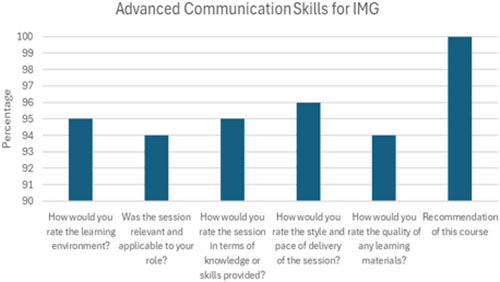
                                                                                                                                                            Supporting Table

                                                                                                                                                            Table 1.
                                                                                                                                                            Feedback from IMGs who have completed the course

                                                                                                                                                            A16 Evidence Informed Design for Acute Hospital Simulation in Occupational Therapy Education

                                                                                                                                                            Sarah-Jayne Rowe1

                                                                                                                                                            [1] University Of Greenwich, United Kingdom

                                                                                                                                                            Correspondence: s.rowe@greenwich.ac.uk

                                                                                                                                                            Introduction:

                                                                                                                                                            Simulation based education should be evidence informed to ensure scenarios are meaningful and aligned with contemporary clinical practice [1]. However, it is often unclear how empirical research findings have influenced simulation design, as the evidence base informing simulation activities is infrequently reported within healthcare literature [2]. Simulation-based education is emerging within occupational therapy with greater emphasis within newly released global education standards [3]. However, there is currently limited evidence available to guide simulation design priorities within pre-registration occupational therapy education. This study examined contemporary acute hospital occupational therapy practice and identified key priorities for acute hospital simulation based learning for pre-registration occupational therapy curricula to better prepare new graduates for practice.

                                                                                                                                                            Methods:

                                                                                                                                                            This ethnographic study was conducted at two acute NHS hospitals and fieldwork was conducted between October-November 2023. New graduate and senior occupational therapists were recruited (n=22), and data was collected through observations of acute hospital daily practice, detailed fieldnotes and 1:1 semi-structured interviews. Reflexive thematic analysis was used to analyse the data. The findings were interpreted to identify key priorities for acute hospital occupational therapy simulation.

                                                                                                                                                            Results:

                                                                                                                                                            Acute hospital occupational therapy simulation should incorporate advanced communication skills development, enabling learners to manage conflict, articulate and justify professional reasoning, rapidly identify and retain key verbal information, and to communicate effectively within fast-paced multidisciplinary team meetings. Scenarios should include acutely unwell patients with multiple co-morbidities, high levels of risk and complex social situations. Realistic acute hospital simulation is essential to allow learners to rapidly apply the occupational therapy process and develop confidence in independently planning complex, safe, and timely patient discharges that require effective risk management.

                                                                                                                                                            Discussion:

                                                                                                                                                            This study provides new knowledge offering evidence informed guidance to assist educators in the intentional design of acute hospital simulation for pre-registration occupational therapy education, with clear relevance to contemporary practice. By drawing on real examples from acute hospital practice, rather than hypothetical scenarios, the simulations can become more relevant, credible and meaningful for learners and educators. Many new graduate occupational therapists commence their careers in acute hospitals, therefore ensuring learners are provided with acute hospital simulation opportunities is essential to adequately prepare the future workforce for practice. This study offers real-world authentic clinical examples to inform the design of evidence-based simulated learning experiences to enhance the workforce readiness of new graduate occupational therapists as they transition to acute hospital practice.

                                                                                                                                                            Ethics Statement:

                                                                                                                                                            As the submitting author, I can confirm that all relevant ethical standards of research and dissemination have been met. Additionally, I can confirm that the necessary ethical approval has been obtained, where applicable.

                                                                                                                                                            Conflict of Interest:

                                                                                                                                                            N/A

                                                                                                                                                            References

                                                                                                                                                            1. Association for Simulated Practice in Healthcare. ASPiH Standards for Simulation-Based Practice. 2023. Available from: https://aspih.org.uk/standards-2/ [Accessed 9 April 2026].

                                                                                                                                                            2. Barlow M, Heaton L, Ryan C, et al. The application and integration of evidence-based best practice standards to healthcare simulation design: A scoping review. Clinical Simulation in Nursing. 2024;87:1–14. doi: 10.1016/j.ecns.2023.101495.

                                                                                                                                                            3. World Federation of Occupational Therapists. Minimum Standards for the Education of Occupational Therapists. 2026. Available from: https://wfot.org/resources/new-minimum-standards-for-the-education-of-occupational-therapists-2026 [Accessed 9 April 2026].


                                                                                                                                                            A17 At the Limits of Capacity: Corridor Simulation and Whole-System Emergency Preparedness

                                                                                                                                                            Helen Fowler1, Beth Spencer1

                                                                                                                                                            [1] Liverpool John Moores University, Liverpool, United Kingdom

                                                                                                                                                            Correspondence: h.l.fowler@ljmu.ac.uk

                                                                                                                                                            Context and Purpose:

                                                                                                                                                            The increasing frequency of major incidents across the UK highlights the growing need to prepare future nurses to deliver safe, ethical care under extreme pressure. Although the NHS Emergency Preparedness, Resilience and Response (EPRR) framework [1] and Nursing and Midwifery Council [2] standards emphasise readiness for emergency situations, undergraduate nursing programmes often lack immersive experiences that reflect the realities of operational strain. In particular, the use of emergency department (A&E) corridors as care spaces, described by the Royal College of Nursing as unsafe, undignified, and unacceptable [3], remains underrepresented in simulation-based education. This project aimed to address this gap through the development of a major incident simulation incorporating an A&E corridor and waiting room environment, enabling final year nursing students to experience the clinical, ethical, and systems challenges associated with overcrowded emergency care.

                                                                                                                                                            Approach:

                                                                                                                                                            The simulation was delivered on two independent days to cohorts of 145 and 190 Year 3 nursing students. The scenario centred on a mass casualty incident following a scaffolding collapse, with a high influx of patients into an already busy hospital environment. A simulated A&E corridor operated concurrently with six ward areas, creating a dynamic whole system environment. Over 15 simulated patients, alongside 38 manikins, presented a wide range of conditions, including traumatic injuries, obstetric emergencies, mental health needs and walking wounded. Students undertook two hour shifts, during which they triaged, prioritised, transferred, and discharged patients while managing escalating demand and limited resources. Facilitators supported scenario progression and undertook structured observation of clinical decision making, teamwork, leadership, and ethical reasoning. Evaluation combined quantitative data from the Simulation Effectiveness Tool–Modified (SET M) with thematic analysis of structured reflective narratives.

                                                                                                                                                            Learning Outcomes/Impact:

                                                                                                                                                            Results demonstrated significant improvements in students perceived competence, confidence, leadership capability, and decision making under pressure. Qualitative analysis identified three key themes: the A&E corridor as a microcosm of wider healthcare system strain; leadership emerging through distributed responsibility rather than hierarchy; and the development of moral and emotional resilience when delivering care in ethically challenging environments.

                                                                                                                                                            Reflections and Transferability:

                                                                                                                                                            Integrating an A&E corridor within a major incident simulation offers a powerful, systems based learning experience that extends beyond technical skill acquisition. The approach provides authentic exposure to overcrowding, constrained resources, and ethical complexity, better preparing students for contemporary emergency practice. This model is transferable across healthcare programmes and supports the inclusion of corridor based major incident simulation within national undergraduate nursing curricula.

                                                                                                                                                            Ethics Statement:

                                                                                                                                                            As the submitting author, I can confirm that all relevant ethical standards of research and dissemination have been met. Additionally, I can confirm that the necessary ethical approval has been obtained, where applicable.

                                                                                                                                                            Conflict of Interest:

                                                                                                                                                            None.

                                                                                                                                                            References

                                                                                                                                                            1. Makin S, Groves S. Summary of latest NHS England Emergency Preparedness Resilience and Response (EPRR) guidance. BMJ Mil Health. 2020 Feb;166(1):12–6. doi: 10.1136/jramc-2018-000925.

                                                                                                                                                            2. The Nursing and Midwifery Council. The Code: Professional Standards of Practice and Behaviours for Nurses, Midwives and Nursing Associates [Internet]. 2018. Available from: https://www.nmc.org.uk/standards/code/ [Accessed 9 January 2026].

                                                                                                                                                            3. Royal College of Nursing. Corridor care: unsafe, undignified, unacceptable. London; 2024 Jun.


                                                                                                                                                            A18 Gamifying Simulation: A Practical Approach to Teaching Non-Technical Skills in Medical Education

                                                                                                                                                            Alexa Sienes12, Elizabeth Hatton1

                                                                                                                                                            [1] Shrewsbury And Telford Hospitals NHS Trust, Shrewsbury, England

                                                                                                                                                            [2] South Warwickshire University NHS Foundation Trust, Warwick, England

                                                                                                                                                            Correspondence: alexasienes@gmail.com

                                                                                                                                                            Introduction:

                                                                                                                                                            Non-technical skills, including communication, task prioritisation, and decision-making, are critical to safe clinical practice. However, such skills are difficult to teach through traditional methods and are often underrepresented in formal medical curricula. Although simulation-based education supports the development of professional skills, it is resource-intensive and may limit scalability [1]. Gamification offers an alternative and is associated with increased engagement and active learning in medical education [2].

                                                                                                                                                            We developed low-resource gamified simulation activities integrated within undergraduate teaching to support non-technical skills. Learner engagement and perceived educational value were evaluated.

                                                                                                                                                            Methods:

                                                                                                                                                            Gamified activities were delivered as part of a teaching programme for fourth- and final-year medical students during clinical training. Each activity targeted specific non-technical skill domains: a “Human Factors Race” focusing on communication and cognitive load, a “Pass the Bleep” exercise addressing on-call task prioritisation and decision-making, and escape room scenarios reinforcing teamwork and structured assessment of the deteriorating patient.

                                                                                                                                                            Activities simulated common clinical challenges through interactive, time-pressured tasks, incorporating distractions, limited information, and competing priorities.

                                                                                                                                                            Feedback was collected using Likert-scale ratings and free-text responses as part of routine programme evaluation. Data were analysed descriptively, with thematic review of qualitative feedback across sessions.

                                                                                                                                                            Results:

                                                                                                                                                            Across sessions, activities were consistently rated highly, with most participants assigning top scores for usefulness. Self-reported preparedness increased following sessions incorporating “Pass the Bleep”, with responses shifting towards higher preparedness ratings (Figure 1).

                                                                                                                                                            Qualitative feedback demonstrated strong engagement, with learners describing activities as interactive, enjoyable, and motivating. Participants reported improved understanding of prioritisation, communication, and decision-making, and valued opportunities to apply knowledge in realistic scenarios.

                                                                                                                                                            Some learners noted repetition with prior teaching and suggested covering information in greater depth. This suggests that gamified activities may be most effective as an introductory or complementary approach.

                                                                                                                                                            Discussion:

                                                                                                                                                            This work describes a practical and scalable approach to integrating gamification within simulation in undergraduate medical education. By embedding human factors principles within interactive tasks, learners practise key skills such as managing cognitive load, filtering information, and decision-making in a safe environment.

                                                                                                                                                            Gamified learning also offers a structured approach to addressing elements of the hidden curriculum, including task prioritisation and effective communication.

                                                                                                                                                            Student engagement and perceived relevance are enhanced through gamifying activities, supporting experiential learning of skills that are often underrepresented in formal curricula.

                                                                                                                                                            Limitations include reliance on self-reported feedback and programme-level evaluation data. Future work could explore integration within medical curricula and the use of objective measures to assess learning outcomes.

                                                                                                                                                            Ethics Statement:

                                                                                                                                                            As the submitting author, I can confirm that all relevant ethical standards of research and dissemination have been met. Additionally, I can confirm that the necessary ethical approval has been obtained, where applicable.

                                                                                                                                                            Conflict of Interest:

                                                                                                                                                            N/A

                                                                                                                                                            References

                                                                                                                                                            1. Issenberg SB, McGaghie WC, Petrusa ER, et al. Features and uses of high-fidelity medical simulations that lead to effective learning: a BEME systematic review. Med Teach. 2005;27(1):10–28.

                                                                                                                                                            2. Gentry SV, Gauthier A, Ehrstrom BLE, et al. Serious gaming and gamification education in health professions: systematic review. BMJ Open. 2019;9:e023233.
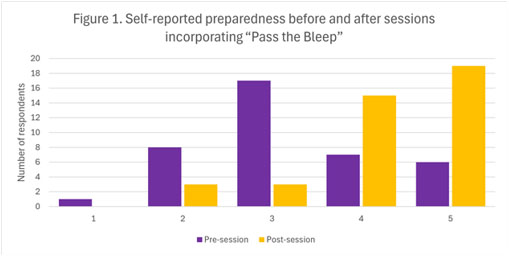
                                                                                                                                                            Supporting Figure


                                                                                                                                                            A19 “Operation Foundation”: A novel, simulation-based scavenger hunt to aid induction for foundation doctors

                                                                                                                                                            Lucie Collinge1, Evie Rodrigues1, Annabel Copeman1

                                                                                                                                                            [1] The Royal Wolverhampton NHS Trust, Wolverhampton, United Kingdom

                                                                                                                                                            Correspondence: lucie.collinge5@nhs.net

                                                                                                                                                            Context and Purpose:

                                                                                                                                                            Transitioning from medical student to foundation doctor is widely recognised as significantly challenging, with many reporting high anxieties and self-perceived unpreparedness for clinical work [1]. Existing strategies to support this transition, including lectures, eLearning, and assistantships, often lack direct relevance to the day-to-day, trust-specific roles of foundation doctors [2]. A novel, immersive in-situ simulation day was designed as part of the August 2025 trust induction for 90 Foundation Year 1 doctors. This aimed to bridge the gap between theoretical knowledge and real-world clinical practice within the authentic clinic environment.

                                                                                                                                                            Approach/Description of Practice:

                                                                                                                                                            The programme adopted a “scavenger hunt” model, comprising 16 structured scenarios delivered across the hospital site to support both clinical learning and orientation. Scenarios were designed collaboratively with current resident doctors to ensure relevance and focused on commonly challenging areas, including assessing unwell patients, complex communication, navigating a new hospital site, and prescribing using local electronic systems. Simulations were facilitated by a multidisciplinary faculty, including doctors, medical students, pharmacists, and other allied health professionals.

                                                                                                                                                            Evaluation incorporated both qualitative and quantitative methods. Participants completed self-assessment questionnaires measuring self-perceived preparedness and confidence pre-course, immediately post-course, and at one month. Additional feedback was sought from the wider multidisciplinary team, particularly pharmacy staff, to explore potential impacts on prescribing and discharge processes.

                                                                                                                                                            Learning, Outcomes and/or Impact:

                                                                                                                                                            Eighty-six participants completed feedback. Prior to the course, only 28% reported confidence levels above 3 (on a 5-point scale); this rose to 98% post-course. Overall, 71% of participants reported increased confidence, 28% no change, and 1% a decrease in confidence. Qualitative feedback highlighted improved familiarity with the hospital environment, trust-specific guidelines, electronic systems, and prescribing processes.

                                                                                                                                                            At a service level, comparison of August 2024 (pre-intervention) with August 2025 (post-intervention) demonstrated a 4-5% increase in early discharges (before midday); an important tool in improving patient flow and experience, suggesting a positive downstream impact on patient care.

                                                                                                                                                            Reflections and Transferability:

                                                                                                                                                            Our “scavenger hunt” initiative demonstrates that in-situ, simulation-based training can significantly enhance foundation doctors’ confidence when transitioning from student to doctor. Co-designing with current trainees was critical to ensuring relevance and engagement. This scalable model is transferable across trusts, specialties, and training levels, offering a practical approach to improving induction, enhancing early clinical performance, and promoting patient safety.

                                                                                                                                                            Ethics Statement:

                                                                                                                                                            As the submitting author, I can confirm that all relevant ethical standards of research and dissemination have been met. Additionally, I can confirm that the necessary ethical approval has been obtained, where applicable.

                                                                                                                                                            Conflict of Interest:

                                                                                                                                                            N/A

                                                                                                                                                            References

                                                                                                                                                            1. Monrouxe LV, Grundy L, Mann M, John Z, Panagoulas E, Bullock A, Mattick K. How prepared are UK medical graduates for practice? A rapid review of the literature 2009-2014. BMJ Open. 2017 Jan 13;7(1):e013656. doi: 10.1136/bmjopen-2016-013656.

                                                                                                                                                            2. Beedham W, Wanigasooriya K, Layton GR, Taing Chan L, Darr A, Mittapalli D. The Effectiveness of a Foundation Year 1 Doctor Preparation Course for Final Year Medical Students. J Med Educ Curric Dev. 2021 Jan 7;8:2382120520984184. doi: 10.1177/2382120520984184.


                                                                                                                                                            A20 Defusing the Pressure: A multi-site tertiary provider’s interprofessional maternity simulation delivered in collaboration with a specialist maternity organisation

                                                                                                                                                            Navdeep Bilkhu1

                                                                                                                                                            [1] University Hospitals Birmingham NHS Foundation Trust, Birmingham, United Kingdom

                                                                                                                                                            Correspondence: nav.bilkhu1@gmail.com

                                                                                                                                                            Context/Purpose:

                                                                                                                                                            Safe intrapartum care depends on effective teamwork between midwives and doctors, particularly in services caring for populations affected by health inequalities. UK surveillance shows persistent maternal mortality disparities by deprivation and ethnicity [1]. In large, multi-site tertiary services working alongside specialist maternity partners, learners rotate across settings and often train in parallel, reporting uncertainty about roles, escalation responsibilities and communication expectations. We implemented a cross-organisational interprofessional simulation programme to build role clarity, communication under pressure and applied human factors capability within a psychologically safe learning environment.

                                                                                                                                                            Approach/Description of Practice:

                                                                                                                                                            Four one-day workshops were co-designed and delivered across multiple simulation sites (January–March 2026). Participants were student midwives and final-year medical students from local higher education partners. Delivery was supported by a mixed interprofessional faculty drawn from both organisations, modelling collaborative behaviours. The staged design included briefing/icebreaker; a low-fidelity warm-up scenario (placenta praevia); three immersive intrapartum scenarios (antenatal VTE, medication error communication, post-natal sepsis) delivered in mixed teams; structured debrief after each scenario focusing on clinical management and human factors; and a closing mixed-team tablet-based bomb-defusal communication exercise to rehearse clear instruction-giving, listening and confirmation under time pressure. A delivery challenge was variation in debrief frameworks across organisations (Diamond [2] vs PEARLS [3]); a shared minimum scaffold and timebox supported consistency across sites.

                                                                                                                                                            Learning, Outcomes and/or Impact:

                                                                                                                                                            Routine anonymous pre- and post-course feedback was collected. Attendance was 32 learners; pre-course responses were 31/32 (97%) and post-course responses were 26/32 (81%). All post-course respondents would recommend the programme (26/26). Post-course mean scores were high (4.54–4.81/5), with agreement rates 92–100% across outcomes. Group-level comparison demonstrated improved role clarity (mean 3.09 → 4.54; agree/strongly agree 38.7% → 100%) and improved confidence using structured communication under pressure (mean 3.38 → 4.62; 51.6% → 100%). Qualitative themes emphasised role appreciation, teamwork, practical communication strategies, confidence in a safe environment, and debrief value for transfer to practice.

                                                                                                                                                            Reflections and Transferability:

                                                                                                                                                            Cross-organisational delivery initially increased coordination demands (timetabling, stakeholder alignment and differing equipment), but became a sustainability asset by creating shared ownership and stronger inter-organisational working relationships. Co-location enabled shared faculty, shared kit, and reduced delivery friction, supporting repeat delivery and a shared community of practice. Refinements include clearer site joining instructions, continued alignment on debrief scaffolding, and consolidating resources on a shared platform to support scale-up across sites. This model is transferable to other large, complex services where learners must develop escalation behaviours and psychologically safe interprofessional communication before qualification.

                                                                                                                                                            Ethics Statement:

                                                                                                                                                            As the submitting author, I can confirm that all relevant ethical standards of research and dissemination have been met. Additionally, I can confirm that the necessary ethical approval has been obtained, where applicable.

                                                                                                                                                            Conflict of Interest:

                                                                                                                                                            N/A

                                                                                                                                                            References

                                                                                                                                                            1. Felker A, Knight M. MBRRACE-UK Data Brief: Maternal Mortality 2022–2024. Oxford: National Perinatal Epidemiology Unit, University of Oxford; 2026.

                                                                                                                                                            2. Jaye P, Thomas L, Reedy G. ‘The Diamond’: a structure for simulation debrief. Clin Teach. 2015;12(3):171–5.

                                                                                                                                                            3. Eppich W, Cheng A. Promoting Excellence and Reflective Learning in Simulation (PEARLS). Simul Healthc. 2015;10(2):106–15.


                                                                                                                                                            A21 Integrating Physical and Mental Health in Paediatric Education: A Co-Designed Simulation

                                                                                                                                                            Thakshayene Mahenthran1, Sabrina Alam1, Yasmin Baki1, Camilla Sen1, Michael Groszmann1, Ashwin Mahtani1

                                                                                                                                                            [1] University College London Hospital, London, United Kingdom

                                                                                                                                                            Correspondence: thakshayene.mahenthran@nhs.net

                                                                                                                                                            Context and Purpose:

                                                                                                                                                            Simulation is widely used in undergraduate medical education to develop communication and clinical reasoning skills and has been shown to improve psychiatric and communication competencies in medical students [1]. However, its application within Child and Adolescent Mental Health Services (CAMHS) remains limited and is rarely integrated with physical health. For Year 5 medical students at UCLH on paediatric placements, CAMHS exposure is variable and often lacks structured experiential learning, particularly at the physical-mental health interface.

                                                                                                                                                            This initiative aimed to address this gap through a simulation-based teaching intervention to enhance students’ confidence and competence in managing integrated physical and mental health presentations in adolescents. Kolb’s experiential learning theory informed the design, supporting cycles of experience, reflection, and application [2].

                                                                                                                                                            Description of Practice:

                                                                                                                                                            A simulation-based teaching session was co-designed for Year 5 medical students on paediatric placements. A multidisciplinary team including CAMHS psychiatrists, paediatricians, clinical nurse specialists, and a medical student ensured authenticity and curricular alignment.

                                                                                                                                                            Four scenarios reflected common CAMHS presentations, integrating physical health, psychosocial assessment, risk assessment, and adolescent communication. Sessions used facilitated role play with clinician role players to enhance realism while maintaining scalability in a resource-constrained setting.

                                                                                                                                                            Each session included structured 10-minute debriefing with reflection and active experimentation in line with Kolb’s cycle [2]. The intervention was delivered across three iterative cycles with 35 students. Evaluation included pre- and post-session Likert questionnaires and feedback analysis to inform refinement.

                                                                                                                                                            Learning, Outcomes and Impact:

                                                                                                                                                            Students reported increased confidence in adolescent communication (91%), psychosocial assessment (87%), rapport building (87%), and structured clinical frameworks (91%), with greatest gains in integrating physical and mental health.

                                                                                                                                                            Feedback highlighted value of practising complex consultations in a psychologically safe environment. Debriefing was central to learning consolidation. Iterative refinements improved clarity, flow, and balance.

                                                                                                                                                            Reflections and Transferability:

                                                                                                                                                            This study demonstrates that co-designed, theory-informed simulation can address gaps in CAMHS education through authentic, integrated learning experiences. Clinician role players supported a realistic approach, while iterative refinement improved design and experience.

                                                                                                                                                            Integration of physical and mental health promoted holistic clinical reasoning transferable to practice. Challenges included balancing realism with time constraints and ensuring consistent facilitation.

                                                                                                                                                            The approach is transferable to other specialties requiring integrated care and can be adapted using co-design principles. This simulation is hoped to be delivered to all students across all hospital sites at UCL, supporting equitable access. Future work will incorporate patient and carer perspectives.

                                                                                                                                                            Ethics Statement:

                                                                                                                                                            As the submitting author, I can confirm that all relevant ethical standards of research and dissemination have been met. Additionally, I can confirm that the necessary ethical approval has been obtained, where applicable.

                                                                                                                                                            Conflict of Interest:

                                                                                                                                                            N/A

                                                                                                                                                            References

                                                                                                                                                            1. Amsalem D, Gothelf D, Soul O, Dorman A, Ziv A, Gross R. Single-day simulation-based training improves communication and psychiatric skills of medical students. Front Psychiatry. 2020;11:221. doi: 10.3389/fpsyt.2020.00221.

                                                                                                                                                            2. Kolb DA. Experiential learning: experience as the source of learning and development. Englewood Cliffs (NJ): Prentice-Hall; 1984.


                                                                                                                                                            A22 From Paper to Practice: The Use of Documentation Simulation to Prepare Final Year Medical Students for FY1

                                                                                                                                                            Josephine Hodson12, Adam Bonfield12, Elena Dickens2, Mary Mushambi1

                                                                                                                                                            [1] University of Leicester, United Kingdom

                                                                                                                                                            [2] University Hospitals of Leicester NHS Trust, United Kingdom

                                                                                                                                                            Correspondence: jh918@leicester.ac.uk

                                                                                                                                                            Context and Purpose:

                                                                                                                                                            Final year medical students are in the last stretch of their undergraduate medical training, which aims to prepare them to join the NHS workforce as Foundation Year 1 (FY1) doctors. Part of a FY1 doctor’s day-to-day responsibilities often involves documenting and completing forms as part of clinical note taking, investigation requests or prescription writing. These tasks are regularly observed by students during medical school placements, but they do not always have the opportunity to gain experience of completing them independently before graduation.

                                                                                                                                                            These key documentation and record keeping skills are included in the GMC Outcomes for Graduates [1] document. Therefore, it was felt students should have an opportunity to practice and improve them in a safe, simulated environment, with the aim of better preparing them for their FY1 posts.

                                                                                                                                                            Approach/ Description of Practice:

                                                                                                                                                            The Documentation Simulation (DocSim) was designed to give students the opportunity to complete some of these common tasks in rapid succession, under time pressure. The 2½ hour circuit has been developed over 5 years and consists of: a 20 minute student briefing, 10 stations (each lasting 10 minutes) and a 30 minute debrief. In each station, students gather and review information in order to complete tasks. Three stations include a simulated patient for the students to interact with as part of the scenario.

                                                                                                                                                            Every academic year, the circuit is run multiple times over a week and all students in their final year of study (approximately 250–300 individuals) are allocated to a session.

                                                                                                                                                            Learning, Outcomes and/or Impact:

                                                                                                                                                            Student feedback was collected using an anonymous Google Forms questionnaire over 5 years. This mainly consisted of Likert scale questions on how strongly they agreed with various statements about the DocSim. Qualitative feedback was also collected from open space questions.

                                                                                                                                                            Around 30-60% of students completed the feedback form each year, totalling 646 responses over the 5 cohorts. The response from the vast majority of students was positive (as shown in Figure 1). Notably, >90% across all years agreed/strongly agreed that DocSim helped them to identify new learning needs, and 92.1% gave DocSim an overall rating of “good” or “excellent”.

                                                                                                                                                            Reflections and Transferability:

                                                                                                                                                            The feedback from students demonstrates that activities like DocSim, which mainly involve un-manned stations that can be run for large numbers of students without the need for extensive faculty numbers, can still provide a learning experience that students deem highly beneficial.

                                                                                                                                                            Ethics Statement:

                                                                                                                                                            As the submitting author, I can confirm that all relevant ethical standards of research and dissemination have been met. Additionally, I can confirm that the necessary ethical approval has been obtained, where applicable.

                                                                                                                                                            Conflict of Interest:

                                                                                                                                                            N/A

                                                                                                                                                            References

                                                                                                                                                            1. General Medical Council. 2020. Outcomes For Graduates. Available from: https://www.gmc-uk.org/cdn/documents/outcomes-for-graduates-2020_pdf-84622587.pdf
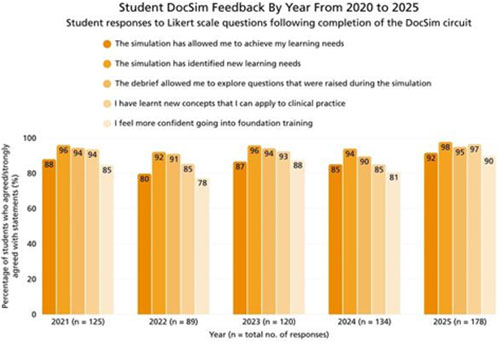
                                                                                                                                                            Supporting Figure


                                                                                                                                                            A23 Simulation Suite to Countywide Reach: Livestreaming Interactive Healthcare Simulations

                                                                                                                                                            Kirsty Duncan1, Olivia Cole1, Thomas Randell-Turner1, Andrew Lawrence1, Rose Edwards1

                                                                                                                                                            [1] University Hospitals Dorset, Bournemouth, United Kingdom

                                                                                                                                                            Correspondence: olivia.cole6@nhs.net

                                                                                                                                                            Introduction:

                                                                                                                                                            Healthcare staff face barriers accessing Simulation‑Based Education (SBE) including limited access to resources, time and geography [1]. University Hospitals Dorset (UHD) initiated live-stream simulations to share simulation resources and provide accessible SBE. This posed the question; how widely can live-stream simulations be shared? Literature indicates research is needed into distance simulation [2] and guideline development [3]. This study evaluated a multi-organisational county wide live-stream simulation and its implementation method.

                                                                                                                                                            Method:

                                                                                                                                                            An interactive meal support simulation was co-produced with multiprofessional faculty, including the Eating Disorders Service, and linked with five organisations across Dorset - three National Health Service (NHS) trusts and two Higher Education Institutions (HEI). The 1-hour simulation was live streamed from Bournemouth Hospital simulation suite via Microsoft Teams using Open Broadcaster Software. Fourteen communication links - designated individuals across organisations - were established to ensure educational and psychological safety of participants. Healthcare staff and students were invited to attend individually on personal devices or collectively via shared screens. The simulation utilised multiple-choice polls for voting at key points, with decisions steering the live actor’s narrative.

                                                                                                                                                            The multifaceted debrief was facilitated by simulation faculty alongside knowledge specialists in the simulation suite. Designated faculty monitored the online chat, relaying participants’ questions and reflections verbally into the discussion, while online knowledge specialists addressed remaining questions and comments in the chat ensuring all contributions were acknowledged. Organisational/educational resources were provided utilising accessible document-sharing platforms. Self-assessed feedback was collected via a Quick Response (QR) code.

                                                                                                                                                            Results:

                                                                                                                                                            175 participants attended, reflecting a 318% increase compared with UHD-only livestream simulations. Participants represented a multiprofessional cohort of doctors, psychiatrists, nurses, dietitians, therapists, support workers and students across hospital, community and HEI settings. Mean ratings were 8.75/10 for improved knowledge and confidence and 9.54/10 that a comfortable learning environment was created. Qualitative feedback highlighted the value of online interactivity and sharing diverse professional perspectives.

                                                                                                                                                            Discussion:

                                                                                                                                                            The interactive live-stream simulation with multifaceted debrief method proved effective for large-scale participation. Implementation conditions included multiprofessional faculty for simulation design and facilitation, knowledge specialists, and cross-organisational links. Establishing links was time-intensive; however, once developed, these relationships can be sustainable and allow simulation resources to be shared. Findings may be limited by low feedback rates; however, results suggest that SBE can be shared beyond institutional limits when conditions are met. This research offers a scalable model for regional delivery of accessible live-stream simulation, with future projects exploring potential national or global application.

                                                                                                                                                            Ethics Statement:

                                                                                                                                                            As the submitting author, I can confirm that all relevant ethical standards of research and dissemination have been met. Additionally, I can confirm that the necessary ethical approval has been obtained, where applicable.

                                                                                                                                                            Conflict of Interest:

                                                                                                                                                            N/A

                                                                                                                                                            References

                                                                                                                                                            1. Health Education England. A description of simulation-based techniques relevant to education and practice in health and care. Technology Enhanced Learning (TEL); 2020. Available from: https://www.hee.nhs.uk/sites/default/files/documents/A%20description%20of%20simulation-based%20techniques%20relevant%20to%20education%20and%20practice%20in%20health%20and%20care%20Nov%202020.pdf

                                                                                                                                                            2. Somerville S, Howden S, Ker J, Schofield S. Exploring accessible, inclusive and sustainable simulation-based education in remote and rural communities: a realist review. Int J Healthc Simul. 2024;1–14. doi: 10.54531/porh1951.

                                                                                                                                                            3. Buléon C, Caton J, Park YS, Eller S, Buyck M, Kardong-Edgren S, et al. The state of distance healthcare simulation during the COVID-19 pandemic: results of an international survey. Adv Simul. 2022;7(1):10. doi: 10.1186/s41077-022-00202-7.


                                                                                                                                                            A24 Enhancing Medication Safety Competence: A Simulation-Based Approach to Patient Safety Incident Investigation for Final-Year Nursing Students

                                                                                                                                                            Charlotte Bates1

                                                                                                                                                            [1] Aston University, Birmingham, United Kingdom

                                                                                                                                                            Correspondence: c.bates@aston.ac.uk

                                                                                                                                                            Context and Purpose:

                                                                                                                                                            A simulated activity was designed for final-year undergraduate nursing students as part of a simulated placement focusing on a patient safety incident investigation following a medication error. Research highlights that nurses with less than one year of work experience are more prone to making medication administration errors compared to experienced counterparts and suggests limited simulation-based learning may be a contributing factor [1]. Addressing these issues through targeted education and increased simulation experiences in undergraduate curricula can enhance NQNs' competence and confidence [1].

                                                                                                                                                            Approach/Description of Practice:

                                                                                                                                                            Students were tasked with investigating a simulated medication error utilising the Patient Safety Incident Response Framework (PSIRF) as part of their final-year simulated placement. The process involved creating a project plan, assigning group roles, and completing set tasks. Using the SIM Converse platform, students individually reviewed patient notes and conducted staff interviews. They then compared their individual findings to generate a group incident report, which was presented during a simulated clinical governance meeting. Regular supervisory meetings with practice supervisors ensured adherence to Nursing and Midwifery Council (NMC) standards throughout the activity and students were collectively debriefed following the clinical governance meeting.

                                                                                                                                                            Learning Outcomes and Impact:

                                                                                                                                                            This activity provided students with the opportunity to develop critical skills in investigating medication errors, distinguishing between individual and system-level factors, and conducting supportive, learning-focused discussions. Students gained insights into the significance of formulating effective responses to incidents, highlighting the role of clinical governance in medication safety.

                                                                                                                                                            There is a gap between staff awareness of the PSIRF toolkit and limited opportunities for practical training [2]. The introduction of the Patient Safety Incident Response Framework (PSIRF) in this simulation aimed to address this gap, promoting a no-blame culture and helping students understand how to constructively handle such incidents. The simulation also reinforced the importance of teamwork and project management, with students relying on each other to complete tasks and produce a final report.

                                                                                                                                                            Reflections and Transferability:

                                                                                                                                                            Standardising the patient incident for all students facilitated shared learning and ensured consistency in findings. Future iterations of the simulation will expand the variety of incidents presented to students to prevent repetition across presentations. The modality of the simulation proved resource-efficient and adaptable across professional boundaries, making it applicable not only to nursing students but also to healthcare professionals in various settings to address the reported gap between staff awareness of the PSIRF toolkit and limited opportunities for practical training [2].

                                                                                                                                                            Ethics Statement:

                                                                                                                                                            As the submitting author, I can confirm that all relevant ethical standards of research and dissemination have been met. Additionally, I can confirm that the necessary ethical approval has been obtained, where applicable.

                                                                                                                                                            Conflict of Interest:

                                                                                                                                                            N/A

                                                                                                                                                            References

                                                                                                                                                            1. Webb C, Dabkowski E, Missen K, Missen A. Contributing factors to medication administration errors among novice registered nurses: an integrative review. J Clin Nurs. 2025;34(22):4499–519. doi: 10.1111/jocn.17721.

                                                                                                                                                            2. Health Services Safety Investigations Body. Investigating under the Patient Safety Incident Response Framework (PSIRF): sharing HSSIB learning for future development. Health Services Safety Investigations Body. 2025. Available from: https://www.hssib.org.uk/patient-safety-investigations/investigating-under-the-patient-safety-incident-response-framework-psirf-sharing-hssib-learning-for-future-development/investigation-report/ [Accessed 23 April 2026].


                                                                                                                                                            A25 Sequential simulation for developing awareness of transitional patient care in undergraduate Master Of Pharmacy (MPharm) students

                                                                                                                                                            Jonathan Davies1, Ali Walker1, Alice McCloskey1

                                                                                                                                                            [1] Liverpool John Moores University, United Kingdom

                                                                                                                                                            Correspondence: j.p.davies@ljmu.ac.uk

                                                                                                                                                            Context and Purpose:

                                                                                                                                                            Significant changes to undergraduate pharmacy education are ongoing, arising from the introduction of independent prescribing rights at the point of registration [1]. Providing opportunities for students to understand the challenges of effective care across care interfaces in practice placements is often limited by placement design, with practice placements frequently taking place in a single care setting.

                                                                                                                                                            Description of Practice:

                                                                                                                                                            To support undergraduate Master of Pharmacy (MPharm) students in better understanding the journey of patients, a three-day simulation programme was designed and introduced as a part of the core Experiential Learning programme for Year 2 students. Activities were designed by experienced simulation faculty alongside active practitioners. Simulation days took place in dedicated simulated hospital and general-practice environments. Students followed two patient cases across a simulated 6-month period, beginning with an acute hospital admission.

                                                                                                                                                            Across the three-day simulated programme, students were exposed to simulation activities that included:

                                                                                                                                                              •History taking and initial assessment

                                                                                                                                                              •Differential diagnosis and initial management

                                                                                                                                                              •Medicines reconciliation and clinical review

                                                                                                                                                              •Discharge screening and counselling

                                                                                                                                                              •Post-discharge medicines reconciliation

                                                                                                                                                              •Annual chronic disease reviews

                                                                                                                                                            Patients were represented through a variety of modalities, including both AI-enabled physical manikins and screen-based virtual reality programmes. Debrief was managed through the Debrief Diamond approach [2].

                                                                                                                                                            Learning, Outcomes and Impact:

                                                                                                                                                            A total of 174 students undertook the programme during the 2025–26 academic programme. Initial feedback from standard teaching evaluations highlighted that students reported an improved understanding of the pharmacist role and key issues associated with transitional care. A formal, ethically approved, evaluation is ongoing.

                                                                                                                                                            Reflections and Transferability:

                                                                                                                                                            The longitudinal design of the simulation programme enabled students to follow patient journeys across care settings, supporting the development of an integrated understanding of continuity of care and the challenges associated with transitions between sectors. The use of multiple simulation modalities, including AI-enabled manikins and virtual reality, supported student engagement and facilitated the application of clinical reasoning skills whilst delivering a scalable simulation solution. Structured debriefing using the Debrief Diamond approach provided an effective framework for reflection and consolidation of learning and ensured the placement was rooted in simulation pedagogy.

                                                                                                                                                            Key challenges included resource requirements (including faculty time, technical support), and challenges in balancing authenticity with feasibility when compressing extended patient journeys into a short timeframe.

                                                                                                                                                            Ethics Statement:

                                                                                                                                                            As the submitting author, I can confirm that all relevant ethical standards of research and dissemination have been met. Additionally, I can confirm that the necessary ethical approval has been obtained, where applicable.

                                                                                                                                                            Conflict of Interest:

                                                                                                                                                            N/A

                                                                                                                                                            References

                                                                                                                                                            1. General Pharmaceutical Council. Standards for the initial education and training of pharmacists. January 2021. Available from: https://www.pharmacyregulation.org/sites/default/files/document/standards-for-the-initial-education-and-training-of-pharmacists-january-2021_1.pdf [Accessed 27 April 2026].

                                                                                                                                                            2. Jaye P, Thomas L, Reedy G. 'The Diamond': a structure for simulation debrief. Clin Teach. 2015 Jun;12(3):171–5. doi: 10.1111/tct.12300.


                                                                                                                                                            A26 “Paeds Made SIMple”: A Needs-driven Multidisciplinary Simulation Programme to Improve Confidence in Acute Paediatric Care

                                                                                                                                                            Lauren Hetherington1, Julie-Anna Rankin1

                                                                                                                                                            [1] Craigavon Area Hospital, Southern Health and Social Care Trust, NI, United Kingdom

                                                                                                                                                            Correspondence: laurenhetherington55@yahoo.com

                                                                                                                                                            Context and Purpose:

                                                                                                                                                            Staff with limited paediatric experience report low confidence managing acutely unwell children [1–3]. A needs assessment of 21 doctors at Craigavon Area Hospital (76% ≤12 months total paediatric experience) identified key concerns including "missing the sick child." All requested simulation-based education (SBE). This project aimed to develop and evaluate a needs-driven, multidisciplinary SBE programme targeting acute paediatric presentations, with confidence in managing specific conditions as the primary outcome.

                                                                                                                                                            Approach/Description of Practice:

                                                                                                                                                            Nine simulation scenarios were developed with learning outcomes mapped to needs assessment findings and recurrent paediatric incidents from governance processes. Scenarios were reviewed by senior paediatric clinicians for content validity. Sessions utilised high-fidelity paediatric manikins with a faculty member as simulated parent to introduce communication challenges.

                                                                                                                                                            Sessions commenced with pre-briefing. Simulation time for each condition was approximately 15 minutes with 30–45 minutes structured debriefing using the Scottish Centre debrief model.

                                                                                                                                                            Nine sessions (two full-day, seven half-day) were delivered to multidisciplinary groups from the Emergency Department and paediatric ward. Groups were capped at 10 participants (all participants active in ≥1 scenario) to promote psychological safety and engagement.

                                                                                                                                                            Self-reported confidence for each acute presentation was measured pre- and post-session using a 10-point rating scale (1=not confident, 10=highly confident). Paired responses were analysed using Wilcoxon signed-rank test.

                                                                                                                                                            Learning, Outcomes and Impact:

                                                                                                                                                            Seventy-three participants completed nine sessions. Fifty-three (73%) completed paired surveys; non-completion was attributed to clinical commitments (potential attrition bias).

                                                                                                                                                            As shown in Figure 1, median confidence scores improved +3 to +5 points across all conditions simulated (p≤0.01), with greatest gains observed in neonatal resuscitation and cardiac arrest.

                                                                                                                                                            Qualitative feedback highlighted psychological safety and debriefing as key enablers of learning. Participants described sessions as a "safe space to develop understanding" and valued the debrief as a "relaxed environment."

                                                                                                                                                            Preliminary follow-up (n=7, 1–3 months post-training) suggested perceived clinical utility, particularly for communication skills although conclusions are tentative.

                                                                                                                                                            Reflections/Transferability:

                                                                                                                                                            Multidisciplinary participation and incorporation of simulated parents successfully addressed communication gaps often overlooked in technical skills training. The needs-driven approach ensured clinical relevance and engagement.

                                                                                                                                                            Key limitations include reliance on self-reported confidence rather than observed clinical performance, potential attrition bias, and lack of patient-level outcomes.

                                                                                                                                                            Important transferable elements include: (1) needs assessment to prioritise scenarios; (2) linking simulation content to local governance data; (3) incorporating simulated parents for communication skills; (4) addressing organisational barriers—nursing attendance was initially limited by study leave restrictions until nursing managers agreed to roster staff to sessions as working hours.

                                                                                                                                                            Ethics Statement:

                                                                                                                                                            As the submitting author, I can confirm that all relevant ethical standards of research and dissemination have been met. Additionally, I can confirm that the necessary ethical approval has been obtained, where applicable.

                                                                                                                                                            Conflict of Interest:

                                                                                                                                                            N/A

                                                                                                                                                            References

                                                                                                                                                            1. Ilangakoon C, Jones T, Innes K, Morphet J. Caring for deteriorating paediatric patients in the emergency department: A mixed method study. Australas Emerg Care. 2020 Dec;23(4):252–8. doi: 10.1016/j.auec.2020.07.006.

                                                                                                                                                            2. McCrossan P, Nicholson A, McCallion N. Trainee's Preparedness for Paediatric Work. Irish medical journal. 2020;113(7):120.

                                                                                                                                                            3. Davidson SL, Hassell KJ, Chisholm P, Fang S, Aladangady N. PC.82 Neonatal Simulation Training Improves Paediatric Trainees’ confidence in Emergency Scenarios. Archives of disease in childhood Fetal and neonatal edition. 2014;99(Suppl 1): A64-A.
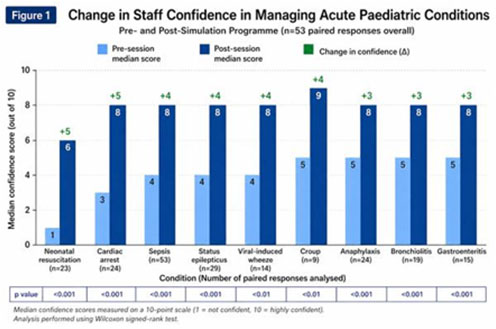
                                                                                                                                                            Supporting Figure


                                                                                                                                                            A27 Establishing a Simulation-Based Education Service in an Irish Model 3 Hospital: From Inception to Systems-Probing Simulation

                                                                                                                                                            Sharon Cassidy12

                                                                                                                                                            [1] Mayo University Hospital, Castlebar, Ireland

                                                                                                                                                            [2] University of Galway, Galway, Ireland

                                                                                                                                                            Correspondence: sharon.cassidy@universityofgalway.ie

                                                                                                                                                            Context and Purpose:

                                                                                                                                                            Simulation-based education (SBE) is increasingly recognised within the Health Service Executive as a key strategy to enhance patient safety, workforce capability, and system performance. Model 3 hospitals, which provide acute medical and surgical care, face specific challenges including management of deteriorating patients, inter-hospital transfer, and high patient flow. This initiative aimed to design and implement a sustainable SBE service from inception, aligned with organisational priorities, to support both individual competency and system-level improvement based upon The Implementation of Simulation on Clinical Sites: A National Strategic Guide (2021) [1]. Simulation was selected as it enables experiential learning and the identification of latent safety threats within real clinical environments [2].

                                                                                                                                                            Approach/Description of Practice:

                                                                                                                                                            A phased approach was undertaken, beginning with a local needs assessment and stakeholder engagement to inform governance and program design. A hybrid model of centre-based and in-situ simulation was developed. Modalities included high- and medium-fidelity manikin simulation, skills training, and multidisciplinary, interdepartmental team-based scenarios. Participants included medical, nursing, and allied health professionals across emergency, perioperative, and general medical services. Faculty development programmes were promoted to build local capability in simulation delivery and debriefing. Collaboration with regional simulation networks and clinical leadership supported co-production and integration with quality improvement initiatives [3].

                                                                                                                                                            Learning, Outcomes and/or Impact:

                                                                                                                                                            Early outcomes demonstrated improved staff confidence in managing clinical emergencies, enhanced interprofessional communication, and increased engagement with patient safety initiatives. In-situ simulation identified latent safety threats, including equipment availability, role clarity, and escalation pathways, prompting targeted system changes. The programme evolved from education-focused activity to system-probing simulation, supporting testing of clinical processes such as sepsis management and midwifery response protocols. Emerging evidence suggests positive impact on team performance and organisational learning, although formal quantitative evaluation is required.

                                                                                                                                                            Reflections and Transferability:

                                                                                                                                                            Key enablers included strong leadership support, multidisciplinary engagement, and investment in faculty and suite development. Challenges included time constraints, competing clinical demands, and resource limitations typical of Model 3 settings. Embedding simulation within existing governance and quality structures was critical for sustainability [3]. This approach is transferable to other Model 3 hospitals, particularly where in-situ simulation can be leveraged to maximise impact without requiring extensive infrastructure. A scalable, context-sensitive model is essential for wider adoption across the Irish healthcare system [1].

                                                                                                                                                            Conflict of Interest:

                                                                                                                                                            N/A

                                                                                                                                                            References

                                                                                                                                                            1. Byrne D, O’Dowd E, Lydon S, Reid McDermott B, O’Connor P. The National Simulation Strategic Guide for the Implementation of Simulation on Clinical Sites. Galway, NUI Galway 2021. doi: 10.13025/cn0z-bp50.

                                                                                                                                                            2. Katoue MG, et al. Introducing simulation-based education to healthcare professionals: challenges and opportunities. Med Educ. 2015;49(11):1133–45.

                                                                                                                                                            3. Szabo RA, et al. Embedding simulation-based education in teaching hospitals. Adv Simul. 2023. doi: 10.1007/978-981-15-3344-0_69.


                                                                                                                                                            A28 Using simulation to improve confidence and skills for consultants to have end of life conversations with patients

                                                                                                                                                            Ruth O'Dowd1, Grace Rowley1, Louise Fitzpatrick1, Alyson Ritchie1, Anita Basu1, Helen Rowe1

                                                                                                                                                            [1] North Cumbria Integrated Care NHS Foundation Trust, Carlisle, United Kingdom

                                                                                                                                                            Correspondence: Ruth.ODowd@ncic.nhs.uk

                                                                                                                                                            Context and Purpose:

                                                                                                                                                            Local NACEL – (National Audit into Care at End of Life) [1] and other insights including clinician focus groups identified an opportunity to improve end of life care. Specific areas identified for focus were earlier recognition, conversations, including ‘what matters to you?’ and planning with patients nearing end of life and their families. Clinician focus groups highlighted a particular need and desire within our Consultant workforce to build confidence in having these difficult conversations.

                                                                                                                                                            We recognised that Consultants are key as senior decision makers and team leads, yet are often overlooked in small group simulation training opportunities.

                                                                                                                                                            Approach:

                                                                                                                                                            A team came together to develop an offer for a Consultant only cohort, offering a SIM “safe space” to experiment, share challenges, concerns and techniques to improve conversations.

                                                                                                                                                            Facilitators from specialities including Palliative Care, Frailty and Emergency Medicine ran two streams, with a professional actor in each. Six learners in each stream, running through six complex end of life communication scenarios. A video link allowed peer and facilitator observation and debrief. The course was supported by Trust simulation team.

                                                                                                                                                            Impact:

                                                                                                                                                            Feedback was collected by anonymous electronic survey on day of session, then by later interval feedback about three months afterwards. 100% reported the session useful on the day, with comments including ‘Absolutely excellent course’, ‘I am more confident in conversations by getting simulation and feedback on real life scenarios’ ‘conversations have a profound impact’, ‘introduce to all levels of doctors’. Feedback demonstrated increased confidence, self-awareness and recognition of the need for training. There was an 80% response rate to the survey at three months. Responses illustrated ongoing improved communication skills, especially in relation to MDT working and ongoing increase in confidence when addressing and approaching end of life conversations, including shared decision making.

                                                                                                                                                            Reflections and Transferability:

                                                                                                                                                            We have established that use of actors and end of life conversation simulation is valued by Consultants who participated. Interval survey responses demonstrated improved confidence, with participants reporting a positive impact on their clinical practice.

                                                                                                                                                            Feedback recommended both further Consultant only sessions and that all clinicians involved in end of life conversations with patients may benefit from similar training opportunity.

                                                                                                                                                            Ethics Statement:

                                                                                                                                                            As the submitting author, I can confirm that all relevant ethical standards of research and dissemination have been met. Additionally, I can confirm that the necessary ethical approval has been obtained, where applicable.

                                                                                                                                                            Conflict of Interest:

                                                                                                                                                            N/A

                                                                                                                                                            References

                                                                                                                                                            1. End of life care -2024 State of the Nations report (NACEL). [online] Health Quality Improvement Partnership (HQIP): 2025 August. Available from: https://www.hqip.org.uk/wp-content/uploads/2025/08/Ref.-520-NACEL-2024-State-of-the-Nations-Report_-FINAL.pdf [Accessed 28 April 2025].


                                                                                                                                                            A29 Improving Patient Safety through the delivery of Immersive Simulation Enhanced Induction Programme for International Medical Graduates transitioning into the NHS

                                                                                                                                                            Radha Brown1

                                                                                                                                                            [1] University Hospital Tees, Middlesbrough, United Kingdom

                                                                                                                                                            Correspondence: rbrown11@nhs.net

                                                                                                                                                            Context and Purpose:

                                                                                                                                                            Transition into UK clinical practice presents well-recognised challenges for international medical graduates (IMGs). General Medical Council guidance emphasises structured, supportive induction to promote safe and effective practice [1]. A needs assessment survey of newly appointed IMGs (20/30 responses) demonstrated substantial variation in the management of common acute conditions, reflecting misalignment between UK clinical pathways and prior training. Key gaps were identified in acute decision-making, procedural skills, familiarity with NHS systems, and end-of-life care pathways.

                                                                                                                                                            Latent safety threats embedded within clinical systems remain undetected until adverse events occur [2]. In 2023–4, six procedural incidents and multiple patient complaints related to end-of-life care were attributed to IMGs. Simulation-based education is recognised as an effective strategy for identifying system-level vulnerabilities and mitigating patient safety risks [3]. Informed by IMG-reported learning needs and organisational safety priorities, a three-day mandatory simulation-enhanced induction programme was implemented to strengthen clinical confidence, procedural competence, and patient safety outcomes for IMGs entering NHS practice.

                                                                                                                                                            Description of Practice:

                                                                                                                                                            The programme was delivered biannually from January 2025 to January 2026. Eighty-six newly appointed IMGs across specialities and grades participated. Faculty-led, one-to-one rotational stations delivered training in core procedures, including venepuncture, cannulation, arterial blood gas sampling, blood culture collection, nasogastric tube insertion, urinary catheterisation and airway adjunct insertion. Advanced procedures (lumbar puncture, chest drain insertion, paracentesis management and central venous access) were taught using simulation models and medical meat, with supervised practice to achieve competence. These stations were capped at five learners per faculty member, with targeted support provided as needed.

                                                                                                                                                            High-fidelity immersive scenarios addressed diabetic ketoacidosis, drug overdose, seizure management, Blood- transfusion error management, and end-of-life care. Each scenario was followed by a debriefing that prioritised psychological safety to support reflective practice and individual learning.

                                                                                                                                                            Learning Outcomes:

                                                                                                                                                            Participants reported increased confidence, improved understanding of NHS systems, and enhanced clinical performance, with 100% recommending the programme (Table 1). Responding to participants' feedback, a digital clinical skills handbook was developed to support ongoing learning. Organisational data demonstrated a 50% reduction in nasogastric tube and chest drain–related incidents compared with 2023–2024, suggesting a positive programme impact; however, a longer-term evaluation is required to confirm sustained effectiveness.

                                                                                                                                                            Reflections and Transferability:

                                                                                                                                                            Findings indicate that the programme facilitates IMGs’ transition into NHS practice. Mandatory delivery reduced perceived relevance in some specialities, adversely affecting engagement despite the availability of self-booking. The programme is readily transferable to GP trainees working within secondary care settings.

                                                                                                                                                            Ethics Statement:

                                                                                                                                                            As the submitting author, I can confirm that all relevant ethical standards of research and dissemination have been met. Additionally, I can confirm that the necessary ethical approval has been obtained, where applicable.

                                                                                                                                                            Conflict of Interest:

                                                                                                                                                            N/A

                                                                                                                                                            References

                                                                                                                                                            1. Health Education England. Available from: https://www.e-lfh.org.uk/wp-content/uploads/2022/06/Welcoming-and-Valuing-International-Medical-Graduates-A-guide-to-induction-for-IMGs-WEB.pdf

                                                                                                                                                            2. Congenie K, Bartjen L, Gutierrez D, et al. Learning from latent safety threats identified during simulation to improve patient safety. Joint Commission Journal on Quality and Patient Safety. 2023;49(12):716–23.

                                                                                                                                                            3. American College of Surgeons. Decreasing Preventable Harm Through In Situ Simulation: Identifying, Mitigating, and Reporting Latent Safety Threats. Cleveland Clinic; 2023. Available from: https://www.facs.org/
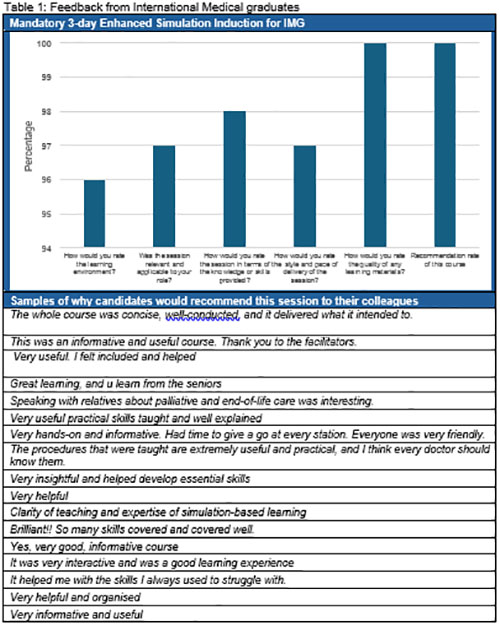
                                                                                                                                                            Supporting Table

                                                                                                                                                            Table 1.
                                                                                                                                                            Feedback from International Medical graduates
                                                                                                                                                            Mandatory 3-day Enhanced Simulation Induction for IMG
                                                                                                                                                            Samples of why candidates would recommend this session to their colleagues
                                                                                                                                                            The whole course was concise, well-conducted, and it delivered what it intended to.
                                                                                                                                                            This was an informative and useful course. Thank you to the facilitators.
                                                                                                                                                            Very useful. I felt included and helped
                                                                                                                                                            Great learning, and u learn from the seniors
                                                                                                                                                            Speaking with relatives about palliative and end-of-life care was interesting.
                                                                                                                                                            Very useful practical skills taught and well explained
                                                                                                                                                            Very hands-on and informative. Had time to give a go at every station. Everyone was very friendly.
                                                                                                                                                            The procedures that were taught are extremely useful and practical, and I think every doctor should know them.
                                                                                                                                                            Very insightful and helped develop essential skills
                                                                                                                                                            Very helpful
                                                                                                                                                            Clarity of teaching and expertise of simulation-based learning
                                                                                                                                                            Brilliant!! So many skills covered and covered well.
                                                                                                                                                            Yes, very good, informative course
                                                                                                                                                            It was very interactive and was a good learning experience
                                                                                                                                                            It helped me with the skills I always used to struggle with.
                                                                                                                                                            Very helpful and organised
                                                                                                                                                            Very informative and useful

                                                                                                                                                            A30 AI Virtual Patients as Preparation for Simulated Patient Training: A Pilot Study in Undergraduate Medical Education

                                                                                                                                                            Ana Carolina del Pozo1, Claudia Ebm1, Martina Isotton1, Arber Shtembari1, Valeriano Vinci1, Roberta Comunian1, Silvia Oldani1

                                                                                                                                                            [1] Humanitas University, Milan, Italy

                                                                                                                                                            Correspondence: ana.delpozo@hunimed.eu

                                                                                                                                                            Background:

                                                                                                                                                            Simulation-based education is evolving with integration of artificial intelligence (AI), offering new opportunities for scalable and flexible clinical skills training. Virtual patients are increasingly used in health professions education, with growing evidence supporting their role in skills development and accessibility [1,2]. This pilot study explores medical student and tutor perceptions of an AI avatar used prior to simulated patient (SP) sessions, including its relevance to contemporary practices such as telemedicine.

                                                                                                                                                            Methods:

                                                                                                                                                            A mixed-methods design was used. A cohort of third-year medical students participated in history-taking training using an AI virtual patient prior to laboratory sessions with standardized patients. Post-session surveys were completed by students (n=28) and tutors (n=3). Surveys included Likert-scale items and open-ended questions. Quantitative data were analysed descriptively, reporting proportions of agreement and central tendencies, while qualitative responses underwent thematic analysis. Data was collected between January and March 2026.

                                                                                                                                                            Results:

                                                                                                                                                            Eighteen of 28 students (64%) agreed or strongly agreed that the AI avatar facilitated practice without fear of judgment, supporting psychological safety during early skills development. Twenty of 28 (71%) agreed that the avatar is most useful as preparation before interacting with a SP, and 21/28 (75%) preferred a blended training pathway combining both modalities.

                                                                                                                                                            Perceived realism and emotional engagement were higher for SP encounters, with 23/28 students (82%) agreeing that the interaction differed meaningfully between the two modalities. Overall satisfaction with the training experience was moderate to high (mean 3.6/5).

                                                                                                                                                            Tutors reported that the avatar supported the development of structured history-taking, while SPs were more effective for relational and communication skills. Two of three tutors preferred a blended approach. Students highlighted the value of repeatable, structured interaction in a linguistically diverse cohort and noted similarities with telemedicine consultations. Key limitations included reduced emotional realism, limited non-verbal communication, and technical constraints.

                                                                                                                                                            Discussion:

                                                                                                                                                            AI virtual patients can support early-stage clinical skills acquisition through accessible, repeatable, and low-pressure practice, potentially mediated by increased psychological safety [1,3]. Their alignment with telemedicine and relevance for linguistically diverse cohorts represent additional advantages. At a systems level, integration of AI-based tools may enhance scalability and accessibility of simulation within undergraduate curricula, aligning with evolving directions in simulation-based education [2,3]. However, limitations in authenticity reinforce the continued importance of human-based simulation, supporting blended approaches.

                                                                                                                                                            Conclusion:

                                                                                                                                                            AI avatars show promise as preparatory tools in history-taking training. Further research will compare learning outcomes between AI-based and SP-based modalities to define their role within integrated simulation curricula.

                                                                                                                                                            Ethics Statement:

                                                                                                                                                            As the submitting author, I can confirm that all relevant ethical standards of research and dissemination have been met. Additionally, I can confirm that the necessary ethical approval has been obtained, where applicable.

                                                                                                                                                            Conflict of Interest:

                                                                                                                                                            N/A

                                                                                                                                                            References

                                                                                                                                                            1. Kononowicz AA, Woodham LA, Edelbring S, Stathakarou N, Davies D, Saxena N, Tudor Car L, Carlstedt-Duke J, Car J, Zary N. Virtual Patient Simulations in Health Professions Education: Systematic Review and Meta-Analysis by the Digital Health Education Collaboration. J Med Internet Res. 2019 Jul 2;21(7):e14676. doi: 10.2196/14676.

                                                                                                                                                            2. Hamilton A, Molzahn A, McLemore K. The Evolution From Standardized to Virtual Patients in Medical Education. Cureus. 2024 Oct 10;16(10):e71224. doi: 10.7759/cureus.71224.

                                                                                                                                                            3. Dang HNN, Luong TV, Vo HTH, Nguyen LTK, Tran TN, Pham HTA, Truong HT, Tran H, Tran TT, Hoang TA, Doan TC, Huynh Q, Marwick TH. Artificial intelligence-powered virtual standardized patients in teaching history-taking skills to medical students: a randomized controlled trial. BMC Med Educ. 2026 Apr 30;26(1):984. doi: 10.1186/s12909-026-09305-5.


                                                                                                                                                            A31 A Sustainable, Low-Cost, High-Fidelity Lateral Canthotomy Training Eye Model

                                                                                                                                                            Leonardo Bareli1, Gemma Cash1, Neeraj Malhan1

                                                                                                                                                            [1] Hillingdon Hospital, London, United Kingdom

                                                                                                                                                            Correspondence: leonardo.lsbm@gmail.com

                                                                                                                                                            Context and Purpose:

                                                                                                                                                            Emergency lateral canthotomy is a rare but sight-saving procedure that requires clinicians to practise technical skills despite limited real-world exposure [1]. Real-world training is limited due to the infrequency of orbital compartment syndrome presentations. Existing simulated training models are frequently disposable, cost prohibitive, or insufficiently representative of anatomical structures and procedural response. The purpose of this initiative was to develop and implement a sustainable, low-cost, and realistic eye model to enhance the Emergency Medicine (EM) High-Acuity Low-Occurrence (HALO) course curriculum.

                                                                                                                                                            Approach/Description of Practice:

                                                                                                                                                            The development focused on producing a reusable anatomical structure capable of repeated procedural practice. Bespoke silicone components were designed and fabricated to replicate key anatomical features and tissue behaviour, with particular attention to durability, ease of repair, and consistent assembly (Figure 1). As a result, this model provides realistic haptic feedback for the canthotomy and cantholysis steps using accessible, low-cost materials. This approach shifts the focus from expensive outsourced equipment to internal innovation, allowing for more frequent training sessions and higher throughput of learners without significant financial burden.

                                                                                                                                                            Learning, Outcomes and/or Impact:

                                                                                                                                                            This training model was integrated into a locally-run EM registrar HALO procedure course. Evaluation data from 33 participants (n=33) since implementation indicates high levels of learner satisfaction:

                                                                                                                                                              Realism: The model received an average score of 4.88/5, with 88% of participants awarding the maximum score.

                                                                                                                                                              Use of Equipment: Participants found the model highly effective for practicing with clinical instruments, scoring it 4.88/5 on average.

                                                                                                                                                              Overall Rating: 4.85/5.

                                                                                                                                                            These high scores are also reflected in the qualitative feedback. Participants described it as an "excellent fidelity model" and one that "felt like the real thing". Crucially, the model achieved practice-level impact, with one registrar noting they feel "more confident to do a canthotomy" after the "hands on" practice provided.

                                                                                                                                                            Reflections and Transferability:

                                                                                                                                                            The success of this model demonstrates that high-fidelity haptic feedback does not require high-cost commercial equipment. By empowering simulation technicians to lead design and production, hospitals can create bespoke, sustainable training solutions tailored to specific clinical needs. This model is easily transferable to other departments or trusts with access to a simulation technician and basic materials, promoting equity in access to high-quality HALO procedure training.

                                                                                                                                                            Ethics Statement:

                                                                                                                                                            As the submitting author, I can confirm that all relevant ethical standards of research and dissemination have been met. Additionally, I can confirm that the necessary ethical approval has been obtained, where applicable.

                                                                                                                                                            Conflict of Interest:

                                                                                                                                                            N/A

                                                                                                                                                            References

                                                                                                                                                            1. Edmunds MR, Haridas AS, Morris DS, Jamalapuram K. Management of acute retrobulbar haemorrhage: a survey of non-ophthalmic emergency department physicians. Emerg Med J. 2019;36(4):245–47.

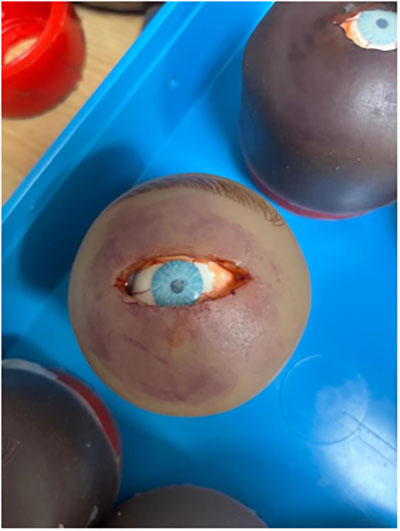
                                                                                                                                                            Supporting Figure

                                                                                                                                                            Low-cost bespoke eye model for lateral canthotomy and cantholysis simulation training
                                                                                                                                                            Figure 1:

                                                                                                                                                            Low-cost bespoke eye model for lateral canthotomy and cantholysis simulation training


                                                                                                                                                            A32 APEX in Emergency Medicine (EM): A Sustainable, Hybrid Simulation Model for High-Acuity Low-Occurrence (HALO) Procedural Training

                                                                                                                                                            Leonardo Bareli1, Neeraj Malhan1, Gemma Cash1, Catherine Hazleton1

                                                                                                                                                            [1] Hillingdon Hospital, London, United Kingdom

                                                                                                                                                            Correspondence: leonardo.lsbm@gmail.com

                                                                                                                                                            Context and Purpose:

                                                                                                                                                            High-Acuity Low-Occurrence (HALO) procedures such as lateral canthotomy, resuscitative hysterotomy, and resuscitative thoracotomy are critical, life-saving interventions that Emergency Medicine (EM) physicians are rarely required to perform in clinical practice. Consequently, EM trainees often report relatively low confidence in performing these procedures independently [1,2]. A 2023 study of ST3-6 trainees in South-East Scotland reported that 100% of the surveyed trainees had never seen or simulated at least one HALO procedure in their entire career [1]. Significant barriers to training include the high cost of commercial task trainers, limited faculty availability, and lack of standardised regional training.

                                                                                                                                                            Approach/Description of Practice:

                                                                                                                                                            The "APEX in EM" course is a student-centred, financially sustainable model designed to bridge this competency gap for NHS EM registrars. Utilising a "Discussion-Demonstration-Practice" cycle, the course maintains small groups (4–6 candidates) to maximise hands-on time.

                                                                                                                                                            The course employs a hybrid simulation approach to achieve high-fidelity realism at a relatively low cost: Lateral Canthotomy: A modular, silicone-based anatomic eye model with reusable core components developed by the departmental simulation technician.

                                                                                                                                                            Resuscitative Hysterotomy: A hybrid model using a pig belly over a silicone placenta and a "baby" contained within a water-filled balloon.

                                                                                                                                                            Thoracotomy & Pericardiocentesis: A pig carcass for practising thoracotomy with the pig’s heart is placed inside a ‘’blood’’ filled balloon for pericardiocentesis.

                                                                                                                                                            Learning, Outcomes and/or Impact:

                                                                                                                                                            Longitudinal feedback was collected from 2023 to 2026 (n=61) using 5-point Likert scales and qualitative thematic analysis.

                                                                                                                                                            Satisfaction: The course achieved a high overall mean rating of 4.95/5.0.

                                                                                                                                                            Fidelity: Qualitative themes highlighted the "tactile feeling" and "real feel" of the tissue-based models as superior for developing psychomotor skills. Low-cost and sustainable models, such as the canthotomy eye model were described as feeling ‘’like the real thing’’ providing ‘’very good hands on practice’’

                                                                                                                                                            Confidence: A 2026 pilot study (n=7) measuring pre- and post-course confidence showed a significant increase across all procedures (p = 0.0156), with mean confidence rising from 2.14 (low) to 3.57 (moderate-high).

                                                                                                                                                            Reflections and Transferability:

                                                                                                                                                            The APEX model demonstrates that high-fidelity procedural training can be delivered without the overheads of cadaveric labs or expensive commercial trainers. By utilising reusable components and cost-effective animal tissue, the course offers a repeatable framework for regional training centres. Future iterations aim to address "sim artifacts" identified in feedback—such as mannequin surface markings—and expand the curriculum to include other HALO procedures like Emergency Front of Neck Access.

                                                                                                                                                            Ethics Statement:

                                                                                                                                                            As the submitting author, I can confirm that all relevant ethical standards of research and dissemination have been met. Additionally, I can confirm that the necessary ethical approval has been obtained, where applicable.

                                                                                                                                                            Conflict of Interest:

                                                                                                                                                            N/A

                                                                                                                                                            References

                                                                                                                                                            1. Day D, Wood J, Bonhomme P, Forteath J. Towards a cost-effective repeatable training model for HALO procedures: a pilot study of low-fidelity, user-resettable peer-directed simulation for EM trainees. Emerg Med J. 2023;40(12):868.

                                                                                                                                                            2. Clyne B, Barber Doucet H, Brown L, et al. Maintaining procedural skills for academic emergency medicine faculty: A needs assessment. AEM Educ Train. 2021;5(4):e10648.


                                                                                                                                                            A33 Preparing Final-Year Nursing Students for Registered Practice Through Whole-Hospital Immersive Simulation

                                                                                                                                                            Graham Messitt1

                                                                                                                                                            [1] University Of Greenwich, United Kingdom

                                                                                                                                                            Correspondence: g.m.messitt@greenwich.ac.uk

                                                                                                                                                            Context and Purpose:

                                                                                                                                                            Simulation in nursing education often focuses on single patient scenarios, which may not fully reflect the complexity of real clinical environments or the competing demands faced in practice. Newly qualified nurses frequently experience “transition shock,” particularly when managing workload, prioritising care and navigating complex healthcare systems [1].

                                                                                                                                                            There is increasing recognition that simulation should move beyond task-based learning to support systems-level understanding and preparation for professional roles. This initiative aimed to design and implement a whole-hospital immersive simulation to better prepare final-year nursing students for the realities of registered practice, aligning with principles of transformative simulation, systems thinking and real-world impact [2].

                                                                                                                                                            Approach/Description of Practice:

                                                                                                                                                            A large-scale immersive simulation replicating a hospital dayshift was delivered within a university simulation centre. Thirty-five final-year children’s nursing students participated simultaneously across multiple interconnected clinical areas.

                                                                                                                                                            Students were assigned professional roles (Band 5 nurse, nurse-in-charge, bed manager) and managed evolving patient scenarios requiring prioritisation, delegation, escalation and communication with simulated patients, relatives and the wider multidisciplinary team.

                                                                                                                                                            A sequential simulation design enabled patient journeys to unfold over time, introducing system pressures such as patient flow, workload and competing priorities [3]. The simulation emphasised both clinical decision-making and coordination across the system. A structured delayed debrief supported reflection on decision-making, teamwork and interactions between individuals, teams and organisational processes.

                                                                                                                                                            Learning, Outcomes and/or Impact:

                                                                                                                                                            Evaluation data (students n=25; faculty n=5) demonstrated high perceived realism and responsibility. Students reported increased confidence in prioritisation, escalation, communication and managing competing clinical demands.

                                                                                                                                                            Qualitative feedback highlighted the value of sustained responsibility and decision-making across a complex system, with participants reporting greater insight into the realities of registered practice. Faculty observed high levels of engagement, professional behaviours and emerging systems thinking, including awareness of patient flow, workload distribution and interprofessional communication.

                                                                                                                                                            The simulation supported not only individual skill development but also a broader understanding of how organisational factors influence patient care and decision-making.

                                                                                                                                                            Reflections and Transferability:

                                                                                                                                                            Whole-hospital simulation enabled a shift from task-based learning to systems-level understanding, supporting both educational development and practice transformation.

                                                                                                                                                            Key strengths included realism, role authenticity and the opportunity to engage with complexity in a psychologically safe environment. Challenges included resource intensity, coordination across multiple simulation areas and faculty facilitation demands.

                                                                                                                                                            This approach is transferable across healthcare education programmes. It offers a practical strategy for bridging the gap between undergraduate education and professional practice, supporting preparedness for complex, real-world clinical environments.

                                                                                                                                                            Ethics Statement:

                                                                                                                                                            As the submitting author, I can confirm that all relevant ethical standards of research and dissemination have been met. Additionally, I can confirm that the necessary ethical approval has been obtained, where applicable.

                                                                                                                                                            Conflict of Interest:

                                                                                                                                                            N/A

                                                                                                                                                            References

                                                                                                                                                            1. Duchscher JB. Transition shock: the initial stage of role adaptation for newly graduated registered nurses. J Adv Nurs. 2009.

                                                                                                                                                            2. Weldon SM, Buttery AG, Spearpoint K, Kneebone R. Transformative forms of simulation in health care – the seven simulation-based 'I's: a concept taxonomy review of the literature. Int J Healthc Simul. 2023 Jul 7;2:1–13. doi: 10.54531/tzfd6375.

                                                                                                                                                            3. Tervajärvi L, Hutri-Kähönen N, Rautiola AM. Student-led interprofessional sequential simulation improves communication and teamwork. Nurse Educ Pract. 2021;51:102983. doi: 10.1016/j.nepr.2021.102983.


                                                                                                                                                            A34 Digital diabetes technologies in simulation-based education: A scoping review

                                                                                                                                                            Sarah-Jayne Rowe1, Ana Antunes da Costa Santos1

                                                                                                                                                            [1] University Of Greenwich, United Kingdom

                                                                                                                                                            Correspondence: s.rowe@greenwich.ac.uk

                                                                                                                                                            Introduction:

                                                                                                                                                            The NHS Long Term Plan has improved access to digital diabetes technology for many individuals, with the uptake of digital technology including continuous glucose monitors (CGM), hybrid closed-loop systems and insulin pumps expanding rapidly [1]. Simulation is widely used to prepare pre-registration healthcare students for clinical practice. However, the extent to which it reflects the rapid technological advancements and realities of modern practice remains unclear with pre-registration students reporting a gap between education and the technologies increasingly used in contemporary clinical care. Additionally, many registered nurses report low confidence in managing diabetes digital technology and report minimal access to training [2]. There is currently a paucity of literature available surrounding the use of digital diabetes technology within adult nursing pre-registration education simulation. This scoping review sought to explore: How are digital diabetes technologies being used within simulation for undergraduate healthcare students, and what learner outcomes are reported?

                                                                                                                                                            Methods:

                                                                                                                                                            The PRISMA-ScR guidance for conducting scoping reviews was followed [3]. The inclusion criteria included health care learners that received simulation-based learning incorporating digital diabetes care technology within their pre-registration curriculum. The following databases were searched: Medline (EBSCO), CINAHL (EBSCO), Web of Science and Cochrane. Comprehensive searches were conducted between March and April 2026. Studies were screened for relevance including pre-defined inclusion/exclusion criteria. Data were extracted, analysed thematically and summarised narratively.

                                                                                                                                                            Results:

                                                                                                                                                            Ten papers were included that met the inclusion criteria. The findings demonstrate that simulation incorporating digital diabetes technology originates predominantly from within pharmacy education. Digital diabetes technologies incorporated into simulation design included wearable Continuous Glucose Monitors (CGM) and automated insulin delivery systems. Learners received hands on, immersive simulations where they experienced the use of wearable technology. Significant improvements were reported in learners’ knowledge and understanding, empathy, competence, and self-confidence in managing digital diabetes technology, interpreting data and educating patients in their use.

                                                                                                                                                            Discussion:

                                                                                                                                                            Although diabetes is one of the most prevalent chronic conditions in the UK and the use of digital diabetes technologies is rapidly expanding, this scoping review identified no studies integrating diabetes technology into pre‑registration nursing simulation education. Findings highlight the effectiveness of diabetes technology within healthcare simulation curriculum, which has transferability to pre-registration nursing digital diabetes simulation design. It is essential digital diabetes technology is incorporated into nursing simulation-based education to enable learners to develop the necessary digital knowledge, skills and confidence to work safely and effectively with diabetes technology when they enter the profession.

                                                                                                                                                            Ethics Statement:

                                                                                                                                                            As the submitting author, I can confirm that all relevant ethical standards of research and dissemination have been met. Additionally, I can confirm that the necessary ethical approval has been obtained, where applicable.

                                                                                                                                                            Conflict of Interest:

                                                                                                                                                            N/A

                                                                                                                                                            References

                                                                                                                                                            1. UK Government. NHS Long Term Plan. 2026. Available from: https://www.gov.uk/government/publications/10-year-health-plan-for-england-fit-for-the-future [Accessed 21 April 2026].

                                                                                                                                                            2. Kelly B, Fletcher-Salt T, Williams A. Confidence gap in community specialist diabetes nurses and general practice nurses in navigating diabetes technology. British Journal of Community Nursing. 2025;30(12):574–82. doi: 10.12968/bjcn.2025.0108.

                                                                                                                                                            3. Peter MDJ, Marnie C, Tricco AC, et al. Updated methodological guidance for the conduct of scoping reviews. JBI Evidence Synthesis. 2020;18(10):1–8. doi: 10.11124/JBIES-20-00167.


                                                                                                                                                            A35 ESCAPING the linear: A Pilot Study of a Synchronous Digital Escape Room for Postgraduate Frailty Education

                                                                                                                                                            Emma Mellors1, Sophie May2

                                                                                                                                                            [1] Oxford Brookes University, Oxford, United Kingdom

                                                                                                                                                            [2] Oxford Health NHS Foundation Trust, Oxford, United Kingdom

                                                                                                                                                            Correspondence: emellors@brookes.ac.uk

                                                                                                                                                            Context and Purpose:

                                                                                                                                                            Frailty management requires clinicians to synthesise large volumes of information due to inherent complexity of assessment, demanding integration of clinical, functional, cognitive, and environmental cues under uncertainty [1]. Complexity is heightened in home‑based and delirium assessment, where information is fragmented, presentations fluctuate, and baseline cognition and function must be inferred. Traditional linear e‑learning inadequately replicates this and face‑to‑face simulation is impractical for remote learners. This pilot addressed a gap for immersive, non‑linear digital modalities [2] by developing a digital simulation that recreated the cognitive load of home‑based assessment within a psychologically safe format.

                                                                                                                                                            Description of Practice:

                                                                                                                                                            In February 2026, students specialising in frailty care participated in a 20‑minute synchronous digital escape room as part of a postgraduate course at a UK HEI. Developed using ThingLinkTM and delivered via a virtual learning environment (VLE), the simulation featured a 360‑degree virtual patient home. Working in triads, learners discriminated between clinical cues to navigate a branching narrative. Group decisions triggered divergent pathways, representing either an optimised outcome or an escalating scenario, simulating high consequential validity. The session included a sandbox orientation, structured pre‑brief, and facilitated debrief.

                                                                                                                                                            Learning, Outcomes/Impact:

                                                                                                                                                            Quantitative analysis from pre‑and post‑activity questionnaire data (n=14) demonstrated statistically significant improvement (p<0.05) in knowledge acquisition. Mean scores rose from 15.6/19 to 16.8/19, with doubling of learners achieving full marks. Qualitative evaluations (n=12) showed high engagement and perceived learning benefit, with learners reporting increased confidence recognising delirium, distinguishing it from dementia, and applying assessment tools. Students valued the realism, interactivity, and team‑based problem‑solving. Outcomes support the escape room as a future‑ready, technology‑enabled pedagogy relevant to postgraduate healthcare education. Non‑linear design heightened immersion and mirrored real‑world unpredictability. However, an unexpected theme emerged: digital literacy variance. Despite the pre‑brief, some teams struggled with software navigation, which impeded clinical progression [3].

                                                                                                                                                            Reflections and Transferability:

                                                                                                                                                            The escape room proved to be an engaging and pedagogically rich modality, successfully simulating clinical uncertainty and fostering teamwork. A key strength is the safe‑to‑fail design, which exposed variances in heutagogical readiness [3] and highlighted the need for robust scaffolding. Challenges centred on navigation, audio synchronisation, and interface responsiveness, indicating that digital fluency cannot be assumed. This has informed development of an asynchronous pre‑activity immersion sandbox. Debriefing per group pathway may also avoid disappointment and negative training. The approach is transferable to other clinical topics requiring complex reasoning, interprofessional collaboration, or home‑based assessment skills, and can be adapted for undergraduate and postgraduate learners.

                                                                                                                                                            Ethics Statement:

                                                                                                                                                            As the submitting author, I can confirm that all relevant ethical standards of research and dissemination have been met. Additionally, I can confirm that the necessary ethical approval has been obtained, where applicable.

                                                                                                                                                            Conflict of Interest:

                                                                                                                                                            N/A

                                                                                                                                                            References

                                                                                                                                                            1. British Geriatric Society (BGS). Comprehensive Geriatric Assessment Toolkit for Primary Care Practitioners. London: BGS. 2015.

                                                                                                                                                            2. Hase S, Kenyon C. From andragogy to heutagogy. ultiBASE Insights. 2000.

                                                                                                                                                            3. Blaschke LM. Heutagogy and lifelong learning: A review of heutagogical practice and self-determined learning. The International Review of Research in Open and Distributed Learning. 2012;13(1):56–71.


                                                                                                                                                            A36 Dream Big, Squeak Bigger: The Evolution of M.I.C.E Through Simulation Based Education for ICU Nurses Practicing Locally and Nationally

                                                                                                                                                            Kimberley Kirkbright1, Tanya Somerville2, Julie Mardon2, Emma Fotheringham2, George Doonan2, Marianne Stewart2, Michelle Vassie2, Will Malein2, Ian Edmond2, Gordon Blair2, Leslie Wright2, Sarah Lavery2, Jamie Dickson2, Catriona Bruce2, Neil Stewart2

                                                                                                                                                            [1] Intensive Care Unit Forth Valley Royal Hospital, Larbert, United Kingdom

                                                                                                                                                            [2] Scottish Centre for Simulation and Clinical Human Factors, Larbert, United Kingdom

                                                                                                                                                            Correspondence: kimberley.kirkbright@gmail.com

                                                                                                                                                            Context and Purpose:

                                                                                                                                                            Management of Intensive Care Emergencies (MICE) is a simulation course designed for nurses within Forth Valley Royal Hospital (FVRH) Intensive Care Unit (ICU). The purpose was to engage nurses in this method of learning whilst ensuring we adhered to the ASPiH Standards [1]. The course involves five high acuity, low occurrence simulated scenarios. It is facilitated by a nurse led faculty with the support of an Intensive Care Consultant and technicians within the Scottish Centre for Simulation and Clinical Human Factors (SCSCHF). Having ran the course successfully biannually for seven years, the faculty decided to expand the opportunity to attend to other ICUs across Scotland. This was an interesting concept as the course typically runs for a team who work closely together. We then facilitated the course for candidates from other health boards which was found to be fully transferrable.

                                                                                                                                                            Approach/Description of Practice:

                                                                                                                                                            The faculty chose to retain the course design in its original format. This is to ensure that nurses feel confident and competent in real life scenarios they are not exposed to regularly. Candidates should feel able to handle the challenges when these situations arise in practice. Scenarios utilise national algorithms thus the location and levels of experience should not affect the desired learning outcomes. We ensured teams within the attending group were kept together to optimise their experience. The course was advertised via the SCSCHF website, online platforms and contacting Scottish ICUs to ensure opportunities to attend in the pilot phase.

                                                                                                                                                            Learning, Outcomes and/or Impact:

                                                                                                                                                            Candidate feedback was universally rated excellent. All of the candidates suggested they would return and recommend it to their colleagues. Some candidates proposed they would like to replicate something similar within their own departments. The faculty reported that the group had active participation in the fiction contract. We felt this was as a result of having a supportive rapport with the candidates which ensured their psychological safety.

                                                                                                                                                            Reflection and Transferability:

                                                                                                                                                            MICE is a well-established course within FVRH ICU. The faculty are delighted that a national course was equally as successful and easier to transfer to external staff than initially anticipated. The dream was big, creating MICE from ‘scratch’ to facilitating it with a fully trained team on a national level was bigger than we imagined. We are proud of its development and the positive impact it will have on nursing teams and patient safety across Scotland.

                                                                                                                                                            Ethics Statement:

                                                                                                                                                            As the submitting author, I can confirm that all relevant ethical standards of research and dissemination have been met. Additionally, I can confirm that the necessary ethical approval has been obtained, where applicable.

                                                                                                                                                            Conflict of Interest:

                                                                                                                                                            N/A

                                                                                                                                                            References

                                                                                                                                                            1. Association for Simulated Practice in Healthcare. ASPiH standards 2023 for simulation-based practice. 2023. Available from: https://aspih.org.uk/standards-2 [Accessed 21 April 2026].
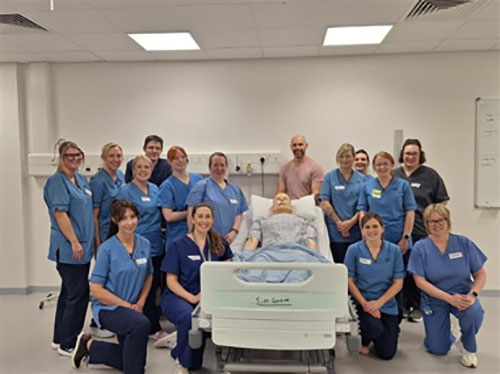
                                                                                                                                                            Supporting Figure


                                                                                                                                                            A37 Playing with Fire: A Burns-Themed Escape Room for Teaching Assessment and Management

                                                                                                                                                            Vivienne Nguyen12, Yvonne Moulds1, Linda Bell1, Eilidh Mulhern12, Madeleine McKernan12, Amy Cater1

                                                                                                                                                            [1] NHS Ayrshire and Arran, Kilmarnock, United Kingdom

                                                                                                                                                            [2] University of Glasgow, Glasgow, United Kingdom

                                                                                                                                                            Correspondence: madeleine.mckernan@nhs.scot

                                                                                                                                                            Context and Purpose:

                                                                                                                                                            Game-based learning has been increasing in popularity in medical education to enhance the instructional process [1]. Escape rooms are an instructional design strategy that has been shown to be a positive tool to engage learners while observing non-technical skills including communication and teamwork [2]. We implemented a simulation-based educational exercise where participants completed a structured, multi-step clinical scenario focused on burn management.

                                                                                                                                                            Our purpose was to determine acceptability of a burns-themed escape room for undergraduate medical and nursing students, and resident doctors undertaking their Emergency Medicine (EM) rotation.

                                                                                                                                                            Approach:

                                                                                                                                                            The session was run ad hoc for resident doctors and more routinely for the undergraduate students. Participants were separated into teams working through sequential tasks (Figure 1). Initial tasks required understanding burns first aid and NEWS calculations to work out a code to open a book containing a word search. Completing the word search about analgesia used in burns, allowed learners to acquire a scalpel with the instructions to de-roof a blister. The blister was in the form of a balloon which contained a description of the patient's burn, weight, and a Lund and Browder chart. Learners calculated total body surface area and applied the Parkland formula to determine fluid resuscitation. Following its completion, they received a code sheet and needed to read out a quote and decipher its author - Robert Burns. We collected feedback with 3 Likert scale questions and 3 free-text questions. Feedback forms were then analysed descriptively using Microsoft Excel.

                                                                                                                                                            Impact:

                                                                                                                                                            This simulation ran between October 2024 - April 2026. 68 feedback forms were collected. Most learners rated their pre-session knowledge of burns assessment and management as less than 3 (58/68, 85%) on a 5-point Likert scale (1 = minimal, 5 = comprehensive). Following the session, 52 participants (76%) reported a knowledge level of 4 or higher on the Likert scale. No participants rated their knowledge a 1 following the session and the overwhelming majority had improvement in their scores (67/68, 98%).

                                                                                                                                                            Thematic analysis identified that participants found the session interactive, fun, and engaging. They also highlighted the importance of collaboration between nursing and medical students, and the positive impact competition had on their learning experience.

                                                                                                                                                            Reflections:

                                                                                                                                                            Altogether, a burns-themed escape room for undergraduate medical and nursing students undertaking their EM rotation was both feasible and well received. This approach was accepted by participants and supported learning in an engaging and innovative manner.

                                                                                                                                                            Ethics Statement:

                                                                                                                                                            As the submitting author, I can confirm that all relevant ethical standards of research and dissemination have been met. Additionally, I can confirm that the necessary ethical approval has been obtained, where applicable.

                                                                                                                                                            Conflict of Interest:

                                                                                                                                                            None.

                                                                                                                                                            References

                                                                                                                                                            1. Xu M, Luo Y, Zhang Y, Xia R, Qian H, Zou X. Game-based learning in medical education. Front Public Health. 2023;11:1113682.

                                                                                                                                                            2. Park GL, Hegazy SA, Sepe J, et al. Fostering Competencies: A Scoping Review of Escape Rooms in Medical Education. Med Sci Educ. 2025;35(2):1111–21.


                                                                                                                                                            A38 Psychological Safety as a Core Simulation Competency: A Multinational Study of Learner and Educator Perspectives

                                                                                                                                                            Ana Carolina del Pozo1, Christoffer Ericsson2, Silvia Oldani1, Claudia Ebm3, Mirko Susta1, Stefania Brusa4, Carla Sá Couto5

                                                                                                                                                            [1] Humanitas University, Office for Medical Education, Milan, Italy

                                                                                                                                                            [2] Arcada University of Applied Sciences, School of Business and Healthcare, Helsinki, Finland

                                                                                                                                                            [3] Humanitas University, Data Insight and Strategic Development, Milan, Italy

                                                                                                                                                            [4] Humanitas University, Simulation Center, Milan, Italy

                                                                                                                                                            [5] Faculty of Medicine, University of Porto, RISE-Health, Porto, Portugal

                                                                                                                                                            Correspondence: ana.delpozo@hunimed.eu

                                                                                                                                                            Introduction:

                                                                                                                                                            Psychological safety, defined as the shared belief that individuals can speak up without fear of negative consequences, is a key determinant of effective teamwork and learning, and contributes to patient safety [1]. Within simulation-based education, it underpins effective participation, reflection, and behavioural change, yet it is often treated as an implicit rather than explicit learning objective [2,3]. As simulation increasingly addresses human factors and team performance, there is a need to intentionally design learning environments that foster speaking-up behaviours and emotional resilience. This study aimed to explore learner and educator perceptions of psychological safety and identify implications for simulation design and delivery.

                                                                                                                                                            Methods:

                                                                                                                                                            A multinational cross-sectional survey was conducted between January and February 2026 across three European higher-education institutions (Portugal, Italy, Finland). Participants included healthcare students (n=97) and educators (n=83). The survey combined Likert-scale items and open-ended questions exploring emotional stress, fear of making mistakes, speaking-up behaviours, and prior exposure to psychological safety training. Quantitative data were analysed descriptively, with χ² tests used for group comparisons. Qualitative responses underwent inductive thematic analysis to identify recurrent patterns and educational implications.

                                                                                                                                                            Results:

                                                                                                                                                            Psychological strain was commonly reported, with 69% of students experiencing frequent emotional stress and 71% reporting fear of making mistakes. Hesitation to speak up was reported by 45% of students. Educators reported similar observations, with 48% perceiving students as frequently afraid to ask questions and 43% observing students hesitant to admit mistakes. There was no significant difference between student and educator perceptions of speaking-up barriers (χ²=0.06, p=0.81). Formal preparation was limited, with 71% of students and most educators (78%) reporting no prior training in psychological safety. Thematic analysis identified three convergent themes: (1) emotional load as an unaddressed component of training environments, (2) hierarchical and cultural barriers to speaking up, and (3) psychological safety operating as a hidden curriculum.

                                                                                                                                                            Discussion:

                                                                                                                                                            Findings demonstrate a clear gap between the recognised importance of psychological safety and its explicit inclusion in simulation-based education. Positioning psychological safety as an explicit core simulation competency offers an opportunity to redesign scenarios and debriefing strategies to intentionally develop speaking-up behaviours and emotional resilience. Additionally, ensuring psychological safety for educators is essential to support effective facilitation and role modelling. Integrating these elements within simulation design has the potential to enhance learner engagement, improve team communication, and better prepare participants for real-world practice, ultimately contributing to patient safety.

                                                                                                                                                            Ethics Statement:

                                                                                                                                                            As the submitting author, I can confirm that all relevant ethical standards of research and dissemination have been met. Additionally, I can confirm that the necessary ethical approval has been obtained, where applicable.

                                                                                                                                                            Conflict of Interest:

                                                                                                                                                            N/A

                                                                                                                                                            References

                                                                                                                                                            1. Edmondson AC. Psychological safety and learning behavior in work teams. Adm Sci Q. 1999;44(2):350–83.

                                                                                                                                                            2. Kolbe M, Grande B, Spahn DR. Briefing and debriefing during simulation-based training and beyond: content, structure, attitude and setting. Best Pract Res Clin Anaesthesiol. 2015;29(1):87–96.

                                                                                                                                                            3. Rudolph JW, Raemer DB, Simon R. Establishing a safe container for learning in simulation: the role of the prebrief. Simul Healthc. 2014;9(6):339–49.


                                                                                                                                                            A39 Children talk...but do we listen?

                                                                                                                                                            Mary Taylor-Coldwell1

                                                                                                                                                            [1] Oxleas NNS Foundation Trust, United Kingdom

                                                                                                                                                            Correspondence: mary.coldwell@nhs.net

                                                                                                                                                            Context and Purpose:

                                                                                                                                                            Allnock and Miller [1] report that “80% of young people attempted to disclose sexual abuse before they were 18 years old,” a finding that highlights the persistent gap between children’s attempts to communicate abuse and professionals’ ability to recognise and respond to those disclosures. Within the Trust, despite substantial investment in training on identifying Child Sexual Abuse (CSA), safeguarding consultations and referrals remained low, reflecting national patterns [2]. Exploratory discussions with Child and Adolescent Mental Health Services (CAMHS) clinicians revealed anxieties surrounding CSA disclosures, including uncertainty about appropriate language, fear of causing psychological harm, discomfort with emotional intensity, and concerns about the implications of initiating safeguarding procedures. These findings indicated that traditional didactic training was insufficient to address the relational and emotional components involved in responding to CSA disclosures.

                                                                                                                                                            Approach:

                                                                                                                                                            In response, a multidisciplinary team developed an immersive simulation‑based training designed to enhance clinicians’ confidence and competence in managing CSA disclosures. The scenario was co‑constructed with safeguarding specialists and informed by Allnock and Miller’s work [1] to ensure a sense of the child’s voice. Participants were from a myriad of clinical backgrounds, including nursing, allied health professionals and psychological therapy. Professional actors portrayed young people, creating fidelity through use of verbal and non‑verbal cues, including silence. The simulation provided a psychologically safe environment, and focused on the learning objectives around navigating uncertainty, tolerating emotional discomfort, and applying trauma‑informed communication strategies without risk to real service users. Structured debriefing facilitated reflective learning, emotional processing, and translation into clinical practice.

                                                                                                                                                            Impact:

                                                                                                                                                            Quantitative and qualitative evaluation demonstrated significant impact. Clinicians’ self‑reported confidence increased from 3.1/5 pre‑simulation to 4.5/5 post‑simulation. Participants valued experiential learning, describing the training as uniquely powerful and directly applicable to practice. Since implementation, the Trust has observed an approximate 200% increase in safeguarding consultations related to CSA (see Table 1), suggesting improved recognition of potential disclosures.

                                                                                                                                                            Transferability:

                                                                                                                                                            Focusing on the learning objectives outlined above, the training has been expanded to include scenarios around domestic violence and breaking bad news to families. It has been expanded to all Children and Young People (CYP) clinicians, including physical health nursing, and supplemented with an AI‑supported follow‑up tool to reinforce learning three months post‑training. The initiative works to directly address the gap identified by Allnock and Miller [1], that “children do disclose but we don’t hear those disclosures” by equipping clinicians with the skills and confidence necessary to recognise and respond to CSA disclosures.

                                                                                                                                                            Ethics Statement:

                                                                                                                                                            As the submitting author, I can confirm that all relevant ethical standards of research and dissemination have been met. Additionally, I can confirm that the necessary ethical approval has been obtained, where applicable.

                                                                                                                                                            Conflict of Interest:

                                                                                                                                                            N/A

                                                                                                                                                            References

                                                                                                                                                            1. Allnock D, Miller P. No one noticed, no one heard: a study of disclosures of childhood abuse. London: NSPCC; 2013. Available from: https://learning.nspcc.org.uk/media/1052/no-one-noticed-no-one-heard-report.pdf [Accessed 10 September 2026].

                                                                                                                                                            2. Independent Inquiry into Child Sexual Abuse. The report of the Independent Inquiry into Child Sexual Abuse. London: IICSA; 2022. Available from: https://www.iicsa.org.uk/final-report.html [Accessed 10 September 2026].
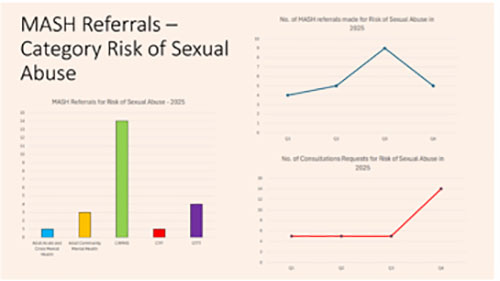
                                                                                                                                                            Supporting Table


                                                                                                                                                            A40 Building Simulation Capability: Embedding scalable practice across Critical Care and the wider workforce

                                                                                                                                                            Mark Ridgway1

                                                                                                                                                            [1] Shrewsbury & Telford Hospital NHS Trust, Shrewsbury, United Kingdom

                                                                                                                                                            Correspondence: mark.ridgway@nhs.net

                                                                                                                                                            Context:

                                                                                                                                                            Simulation-based education is recognised as a key enabler of patient safety, workforce development and learner capability development. Within a large NHS acute trust incident reviews, staff feedback and local intelligence identified variability in staff confidence when managing high-risk, low-frequency events, including airway emergencies and acute patient deterioration. At baseline, there was a complete absence of a simulation programme for non-medical staff, including those working within Critical Care. Simulation activity was ad hoc, uncoordinated and not routinely evaluated or scalable, with no established faculty model or agreed organisational approach.

                                                                                                                                                            This initiative aimed to design, implement and scale a simulation-based education programme, using experiential learning to improve learner confidence, skill application and team performance, aligned to ASPiH simulation-based education standards.

                                                                                                                                                            Description of Practice:

                                                                                                                                                            A coordinated simulation-based education programme was developed and delivered between January 2024 and early 2026 using a blended model of simulation-suite sessions, in situ simulation and unannounced live drills. Simulation modalities and levels of realism were selected to align with clearly defined learning outcomes and clinical context.

                                                                                                                                                            Four Critical Care Airway Study Days were introduced, attended by 51 staff, alongside a developing programme of in situ simulations involving a further 32 participants. Scenarios focused on tracheostomy emergencies and airway management. Sessions incorporated structured pre-briefing, immersive scenarios and facilitated debriefing exploring technical skills, escalation, role clarity, human factors and reflection.

                                                                                                                                                            A parallel Non-Medical Simulation Programme was established, creating a trust-wide educational approach where none previously existed. A structured evaluation framework was embedded using pre- and post-simulation confidence questionnaires and qualitative feedback.

                                                                                                                                                            Outcomes:

                                                                                                                                                            Programme delivery expanded rapidly, from 92 simulation sessions involving 548 staff in 2024 to 124 sessions involving 1,228 staff in 2025, with continued delivery into 2026. Evaluation demonstrated consistent improvements in self-reported learner confidence across multiple educational domains.

                                                                                                                                                            The Critical Care Airway education programme resulted in improvements across all assessed learning outcomes (Table 1), with the greatest gains seen in recognition of tracheostomy emergencies, application of Difficult Airway Society guidelines, familiarity with airway equipment and clarity of individual and team roles during high-risk scenarios.

                                                                                                                                                            Reflections:

                                                                                                                                                            Key enablers included co-production with clinical teams, strong faculty engagement, deliberate attention to psychological safety and flexible use of in situ simulation to enhance authenticity. Challenges included balancing service pressures and variability in data capture during unannounced drills. This work demonstrates how simulation-based education can be established from first principles, evaluated, scaled and embedded as a sustainable workforce development intervention transferable to other organisations with limited resources.

                                                                                                                                                            Ethics Statement:

                                                                                                                                                            As the submitting author, I can confirm that all relevant ethical standards of research and dissemination have been met. Additionally, I can confirm that the necessary ethical approval has been obtained, where applicable.

                                                                                                                                                            Conflict of Interest:

                                                                                                                                                            N/A

                                                                                                                                                            Supporting Table

                                                                                                                                                            Table 1.
                                                                                                                                                            Pre and post simulation self-reported learner confidence across airway management competencies following a simulation-based Critical Care education programme
                                                                                                                                                            Educational capability Pre-simulation score Post-simulation score
                                                                                                                                                            Rapid ABC assessment 6.3–7.5 8.4–9.0
                                                                                                                                                            Red-flag recognition (dislodged tracheostomy) 5.3–6.1 7.6–8.5
                                                                                                                                                            Basic airway management 7.2–7.8 8.5–9.3
                                                                                                                                                            Intubation equipment awareness 8.0–8.1 8.5–8.9
                                                                                                                                                            Airway adjunct selection/insertion 5.8–7.6 7.7–8.3
                                                                                                                                                            Suctioning 7.7–9.6 8.2–9.0
                                                                                                                                                            Team roles in airway emergencies 7.6–8.1 8.3–9.0
                                                                                                                                                            DAS guideline awareness 6.1–7.0 8.3–8.7
                                                                                                                                                            Difficult airway trolley knowledge 6.2–6.7 8.3–8.9
                                                                                                                                                            Video laryngoscopy use 6.7–7.4 8.3–9.2

                                                                                                                                                            Self-reported confidence was measured using a 10-point Likert scale (1 = not confident, 10 = very confident). Scores presented represent aggregated ranges across multiple simulation sessions delivered between February and September 2025.


                                                                                                                                                            A41 Going beyond core training: Supporting the transition to medical registrar through simulation-based teaching of non-technical skills

                                                                                                                                                            Radha Brown1, John Widdrington1

                                                                                                                                                            [1] University Hospital Tees, United Kingdom

                                                                                                                                                            Correspondence: rbrown11@nhs.net

                                                                                                                                                            Context and Purpose:

                                                                                                                                                            During internal medicine training (IMT), the transition to the role of medical registrar is a big step. Doctors have often felt unprepared, particularly regarding the non-technical skills required to act as the senior decision maker, manage the workload and support the wider team [1].

                                                                                                                                                            Despite this, postgraduate medical training has traditionally focused on acquiring knowledge and procedural skills. Simulation-based training is an important innovation, providing opportunities to practice non-technical skills in a safe, adaptable environment and receive meaningful feedback through real-time debriefing. Our goal was to establish effective simulation training in non-technical skills to support IMT doctors during the transition to medical registrar roles.

                                                                                                                                                            Description of Practice:

                                                                                                                                                            A simulation course was developed in co-production with current IMT doctors and medical registrars. The course translated the principles of the non-technical skills training provided to anaesthetists and surgeons for a medical context [2]. This led to the development of a structured course comprising five scenarios that replicate typical clinical demand and complexity. Each session begins with a simulated handover, followed by sequential clinical scenarios requiring prioritisation, leadership, and multidisciplinary working. Scenarios involve acutely deteriorating patients, complex decision-making, and escalation of care. Faculty-led debriefs focus deliberately on non-technical skills, alongside clinical reasoning.

                                                                                                                                                            Learning Outcomes:

                                                                                                                                                            The course is mapped to IMT curriculum capabilities in practice. Participants are supported to function effectively within NHS organisational systems, demonstrate clinical leadership, manage complexity and uncertainty, and communicate effectively with patients, families, and professional colleagues. Emphasis is placed on consultation skills, teamworking, crisis resource management, situational awareness, recognising personal limits of competence and escalating care with assertion. To date, 190 participants have completed the course, providing consistently positive feedback and universal recommendation (Table 1). Participants reported increased confidence, preparedness, and awareness of non-technical skills essential for registrar-level practice. Reflective debriefs highlighted enhanced insights into leadership approaches, prioritisation under pressure, and team dynamics.

                                                                                                                                                            Reflections and Transferability:

                                                                                                                                                            A key strength is the realism of the scenarios, particularly the inclusion of handover processes and cumulative workload. The challenge identified was that enrolled IMT trainees did not attend due to limited attendance caused by clinical demands. Now, formal allocation has secured protected participation.

                                                                                                                                                            As non-technical skills are essential for roles across the NHS, this course is transferable across diverse clinical contexts, including acute and primary care settings. Future developments will adapt simulation scenarios to address multidisciplinary clinical learning needs and systematically evaluate their impact on patient safety outcomes.

                                                                                                                                                            Ethics Statement:

                                                                                                                                                            As the submitting author, I can confirm that all relevant ethical standards of research and dissemination have been met. Additionally, I can confirm that the necessary ethical approval has been obtained, where applicable.

                                                                                                                                                            Conflict of Interest:

                                                                                                                                                            N/A

                                                                                                                                                            References

                                                                                                                                                            1. Ferguson Z, Selman R. Becoming the medical registrar: a qualitative study of a professional transition as a transformative learning event. Acute Medicine. 2023;22(3):144–9. PMID: 37746683.

                                                                                                                                                            2. Geraghty A, Paterson-Brown S, McGregor R. Non-technical skills for surgeons (NOTSS). Surgery - Oxford International Edition, 2023;41:474–8.

                                                                                                                                                            Supporting Table

                                                                                                                                                            Table 1.
                                                                                                                                                            Recurrent themes from candidates who have attended the IMT non-technical skills course from 2022 to 2026
                                                                                                                                                            Feedback summary
                                                                                                                                                            96% positive evaluations

                                                                                                                                                            100% recommendation to others
                                                                                                                                                            Samples of why candidates would recommend this session to their colleagues
                                                                                                                                                            Excellent teaching. Non-judgmental. Interesting and realistic scenarios are designed well to be just above the comfort zone
                                                                                                                                                            Brilliant session. Thought-provoking scenarios. Great facilitators.
                                                                                                                                                            Absolutely brilliant! Faculty so engaging. Scenarios were really interesting and realistic. Really great afternoon. Lovely productive debriefs.
                                                                                                                                                            Very practical skills session, applicable to daily encounter for a medical registrar
                                                                                                                                                            Addresses the points of being a med reg that we don’t often otherwise talk about
                                                                                                                                                            Insightful and promoted learning in a safe environment, great feedback from educator
                                                                                                                                                            Very helpful scenarios with some educational theories to back it up and good discussion points and feedback.

                                                                                                                                                            A42 Simulation in Practice: Utilising Replicable Models for Ultrasound-Guided Cannulation Training Among Foundation and Locally Employed Doctors

                                                                                                                                                            Junha Kang1, Samit Patel1, Liang Zhi Wong1, Louise Ma1

                                                                                                                                                            [1] Whittington Health NHS Trust, London, United Kingdom

                                                                                                                                                            Correspondence: junha.kang1@nhs.net

                                                                                                                                                            Context and Purpose:

                                                                                                                                                            In the acute setting, limited formal teaching in ultrasound (US)-guided cannulation leaves many resident doctors underprepared for challenging cannula insertions, contributing to treatment delays and increased patient discomfort [1]. Whilst foundation trainees receive structured teaching, locally employed doctors (LEDs) frequently face barriers to professional development and lack access to such opportunities [2]. This project aims to address this training gap by delivering low-cost, high-yield US-guided cannulation teaching sessions to improve clinician confidence and promote a culture of peer-led education.

                                                                                                                                                            Approach/Description of Practice:

                                                                                                                                                            This Quality Improvement Project (QIP) was conducted over two Plan-Do-Study-Act (PDSA) cycles. Teaching sessions used low-cost (£5), handmade vascular models constructed from gelatine and balloons, providing a replicable and cost-effective alternative to £600–700 commercial phantoms and allowing for wider accessibility.

                                                                                                                                                            Cycle one was integrated into the Foundation Year core training curriculum, while cycle two targeted LEDs. Sessions utilised hospital ultrasound machines and incorporated peer-led teaching, with experienced clinicians acting as peer-educators. Participant confidence and ultrasound cannulation attempts were assessed with feedback forms before, immediately after and three months following each session.

                                                                                                                                                            Learning, Outcomes and/or Impact:

                                                                                                                                                            The intervention resulted in a marked improvement in clinical readiness. Before teaching, 63% (20/32) of participants had no prior US-guided cannulation teaching and only 16% reported being ‘fairly’ or ‘very’ confident in carrying out the procedure. Immediately post-session, 97% felt ‘fairly’ or ‘very’ confident (Figure 1.) and 87.5% found the teaching session ‘extremely’ useful. The vascular models were well received, with 93.8% rating them as ‘very’ or ‘extremely’ useful.

                                                                                                                                                            At three-month follow up, 67% of participants had successfully performed US-guided cannulation. Notably, 29% of participants required no senior escalation for any cannulation, suggesting enhancement in service efficiency and patient experience. Rates of line culture growths remained unchanged, meaning the intervention did not lead to increased frequency of infection from ultrasound use. Key barriers to carrying out the procedure included limited ultrasound machine availability and clinical time pressures.

                                                                                                                                                            Reflections and Transferability:

                                                                                                                                                            The primary strength of this approach was the effective use of low-cost homemade models, demonstrating that high-quality training does not require expensive equipment. Future programmes should include prior teaching in basic cannulation skills to assess proficiency and standardise clinical skills.

                                                                                                                                                            This teaching approach is highly transferable to healthcare settings with access to ultrasound machines and offers the opportunity to empower all doctors with enhanced procedural skills, whilst reducing the burden on senior clinical teams and improving patient experience.

                                                                                                                                                            Ethics Statement:

                                                                                                                                                            As the submitting author, I can confirm that all relevant ethical standards of research and dissemination have been met. Additionally, I can confirm that the necessary ethical approval has been obtained, where applicable.

                                                                                                                                                            Conflict of Interest:

                                                                                                                                                            N/A

                                                                                                                                                            References

                                                                                                                                                            1. Gorgone M, O’Connor TP, Maximous SI. How I Teach: Ultrasound-guided Peripheral Venous Access. ATS Scholar. 2022 Oct 26;3(4).

                                                                                                                                                            2. Reflections Of SAS And Locally Employed NHS Doctors | The King’s Fund [Internet]. The King’s Fund. 2024. Available from: https://www.kingsfund.org.uk/insight-and-analysis/long-reads/specialty-specialist-locally-employed-doctors-nhs
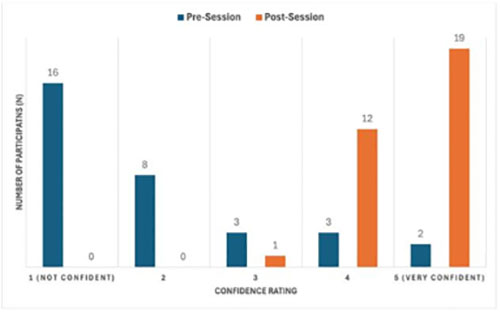
                                                                                                                                                            Supporting Figure


                                                                                                                                                            A43 Designing a simulation-based workshop that focuses on non-technical skills in the context of multidisciplinary teamwork

                                                                                                                                                            Eva Rooney1, Thomas Newton1

                                                                                                                                                            [1] University Of Liverpool, Liverpool, United Kingdom

                                                                                                                                                            Correspondence: eva.rooney@liverpool.ac.uk

                                                                                                                                                            Context and Purpose:

                                                                                                                                                            The importance of non-technical skills within healthcare is well recognised. Effective communication, teamworking, leadership and followership are essential skills required for modern practice. These skills serve to promote a supportive workplace culture of safety and improvement via multidisciplinary team working and shared decision making.

                                                                                                                                                            Approach:

                                                                                                                                                            We have designed a clinical human factors workshop for year 4 medical students aimed at focusing on teamwork and decision making. This aligns with the expectations set out in the General Medical Council’s (GMC) Outcomes for Graduates: Newly qualified doctors must be able to work collaboratively, communicate effectively, and recognise the impact of human and organisational factors on patient safety [1].

                                                                                                                                                            During the workshop students are introduced to a simulated patient, they are asked to allocate roles and work together to carry out a thorough assessment of the patient and develop a management plan. The information obtained will indicate the patient requires input from various multidisciplinary members as well as range of primary, secondary and social care sources [2]. Facilitation and resources are provided to help the students understanding of multidisciplinary roles and services available to inform their decision making regarding the patient’s care.

                                                                                                                                                            Learning Outcomes and Impact:

                                                                                                                                                            This experiential learning aims to help students develop insight into real-life clinical decision making, including the function of multidisciplinary working and awareness of human factors in the provision of holistic patient care [2]. Following the interactive component, there is an opportunity for debriefing how the students found the teamwork and decision-making process using an appreciate enquiry approach [3]. Through anonymized student evaluations, we could capture qualitative feedback from students about what students gained from this workshop. Key themes included: significance of role allocation, benefits of teamwork and communication in decision making, and transferability of non-technical skills to their clinical practice.

                                                                                                                                                            Reflections and Transferability:

                                                                                                                                                            Simulation is a key educational tool in which we can illustrate key competencies for graduates outlined by the GMC [1]. By prioritising clinical human factors within this workshop, it can prepare medical students to function effectively within a team as resident doctors and contribute to improving safe and patient-centred care.

                                                                                                                                                            Ethics Statement:

                                                                                                                                                            As the submitting author, I can confirm that all relevant ethical standards of research and dissemination have been met. Additionally, I can confirm that the necessary ethical approval has been obtained, where applicable.

                                                                                                                                                            Conflict of Interest:

                                                                                                                                                            N/A

                                                                                                                                                            References

                                                                                                                                                            1. General Medical Council. Outcomes for graduates [Internet]. London: GMC; 2018. Available from: https://www.gmc-uk.org/cdn/documents/outcomes-for-graduates-a4_pdf-77470228.pdf [Accessed 24 April 2026].

                                                                                                                                                            2. Rezaei N, Saghazadeh A. Introduction on Integrated Science: Multidisciplinarity and Interdisciplinarity in Health. In: Rezaei N, editor. Multidisciplinarity and Interdisciplinarity in Health. Cham: Springer; 2022.

                                                                                                                                                            3. Amorøe TN, Rystedt H, Oxelmark L, Dieckmann P, Andréll P. Resilience-focused debriefing: addressing complexity in interprofessional simulation-based education—a design-based research study. Advances in Simulation. 2025;10. doi: 10.1186/s41077-025-00352-4.


                                                                                                                                                            A44 From Classrooms to Clinics: Interactive Micro-Simulation to Engage Young Minds in Healthcare

                                                                                                                                                            Neema Nzioki1, Syeda Hussain1, Sebastian D’Angelo2, Michael Moneypenny1

                                                                                                                                                            [1] Aga Khan University - CIME, Parklands, Kenya

                                                                                                                                                            [2] University of Waterloo

                                                                                                                                                            Correspondence: michael.moneypenny@aku.edu

                                                                                                                                                            Background:

                                                                                                                                                            Simulation-based education (SBE) is well established in healthcare training but underutilised for pre-university learners [1]. This represents a missed opportunity to introduce health literacy, patient safety, and career pathways through experiential learning.

                                                                                                                                                            Objective:

                                                                                                                                                            To design, implement, and evaluate Interactive Micro-Simulation, a low-cost, high-engagement simulation model for primary and secondary school students.

                                                                                                                                                            Methods:

                                                                                                                                                            Short (20–40 minute), modular sessions were developed using experiential learning and gamification within a low-fidelity simulated hospital environment. Sessions were delivered to 67 primary and secondary school students during two open days in March 2026. Activities included tactile games: ‘Don’t touch the spleen!’, DIY Operation, ‘Pasta bones’. Sessions incorporated structured facilitation and age-appropriate debriefing. Evaluation used post-session Likert-scale surveys (1–5), analysing mean scores and proportions of positive responses (ratings 4–5).

                                                                                                                                                            Results:

                                                                                                                                                            The intervention demonstrated high impact, with mean scores ranging from 4.02 to 4.67. Engagement was highest (mean 4.67; 89.5% positive), followed by ease of understanding (mean 4.60; 91.1%) and collaborative learning (mean 4.61; 91.1%). Perceived learning (mean 4.52; 86.2%) and hands-on effectiveness (mean 4.42; 82.1%) were also strong. Curiosity about healthcare careers was high (mean 4.56; 89.8%). Confidence in explaining concepts was lower, (mean 4.02; 76.9%), suggesting depth of understanding may have varied among participants and a need for future repeat enhanced consolidation strategies.

                                                                                                                                                            Conclusion:

                                                                                                                                                            Interactive Micro-Simulation is a feasible, scalable approach to delivering engaging, low-cost simulation for younger learners. By prioritising interaction over fidelity, it achieves strong educational impact while remaining accessible and adaptable across contexts.

                                                                                                                                                            So what? This model reframes simulation as an inclusive, scalable tool for early engagement, with potential to improve health literacy and contribute to future healthcare workforce development.

                                                                                                                                                            Ethics Statement:

                                                                                                                                                            As the submitting author, I can confirm that all relevant ethical standards of research and dissemination have been met. Additionally, I can confirm that the necessary ethical approval has been obtained, where applicable.

                                                                                                                                                            Conflict of Interest:

                                                                                                                                                            N/A

                                                                                                                                                            References

                                                                                                                                                            1. Yeh VJ, Mukhtar F, Rajesh A, Baloul MS, Chandra A, Shaikh N, et al. Inspiring young learners toward a career in healthcare using simulation. Simul Healthc. 2020;15(6):404–8. doi: 10.1097/SIH.0000000000000432.


                                                                                                                                                            A45 Bridging the Skills Gap: Clinical Instructors’ Perceptions of Simunaledi for Audiology Training

                                                                                                                                                            Nomonde Kunene1, Samantha Govender1, Senamile Ntuli1

                                                                                                                                                            [1] Sefako Makgatho Health Sciences University, Pretoria, South Africa

                                                                                                                                                            Correspondence: zikhundla.n@gmail.com

                                                                                                                                                            Introduction:

                                                                                                                                                            Undergraduate audiology programmes in South Africa face several challenges, including limited access to costly equipment and a shortage of clinical placement opportunities [1]. Innovative, low-technology patient simulators may provide a practical and affordable alternative by offering reusable and safe platforms for repeated skills practice [2]. In response to these challenges, SimuNaledi, a novel low-cost manikin, was developed to support diagnostic audiology training in resource-limited contexts. This study explored clinical instructors’ perceptions of SimuNaledi’s usefulness, usability, and acceptability for supporting the development of essential diagnostic audiology skills among undergraduate students.

                                                                                                                                                            Methods:

                                                                                                                                                            A total population of clinical instructors employed at a South African health sciences university was invited to participate, of whom 14 completed the evaluation. Data were collected using an adapted Usefulness, Satisfaction, and Ease of Use (USE) Questionnaire [3], supplemented by open-ended questions. Quantitative data were analysed using descriptive statistics, including means and standard deviations. Qualitative responses were analysed thematically.

                                                                                                                                                            Results:

                                                                                                                                                            Clinical instructors reported favourable perceptions of SimuNaledi across all evaluated domains (Table 1). Mean scores were 4.2 (SD=0.4) for Usefulness, 4.5 (SD=0.5) for Ease of Use, and 4.3 (SD=0.5) for Ease of Learning. Overall Satisfaction was also high (M=4.2, SD=0.8). Thematic analysis identified three core themes: (1) affordability and accessibility, (2) realism and face validity, and (3) technical and functional challenges.

                                                                                                                                                            Conclusion:

                                                                                                                                                            SimuNaledi was perceived by clinical instructors as a useful, easy-to-use, and acceptable tool for supporting basic diagnostic audiology skills training. Its low-cost design, accessibility, and potential for repeated practice may make it particularly relevant to resource-constrained training environments. Although some technical and functional refinements are warranted, the findings support further development and evaluation of SimuNaledi as a simulation-based educational tool for undergraduate audiology training in South Africa and similar resource-limited contexts.

                                                                                                                                                            Ethics Statement:

                                                                                                                                                            As the submitting author, I can confirm that all relevant ethical standards of research and dissemination have been met. Additionally, I can confirm that the necessary ethical approval has been obtained, where applicable.

                                                                                                                                                            Conflict of Interest:

                                                                                                                                                            N/A

                                                                                                                                                            References

                                                                                                                                                            1. Pillay M, Tiwari R, Kathard H, Chikte U. Sustainable workforce: South African Audiologists and Speech Therapists. Hum Resour Health. 2020;18(1):47. doi: 10.1186/s12960-020-00488-6.

                                                                                                                                                            2. Tserovski S, Papadakis K, Yanev K K, et al. Design, Manufacturing, and Educational Evaluation of a Low-Cost Venipuncture Training Simulator. Cureus. 2026;18(4):e106831. doi: 10.7759/cureus.106831.

                                                                                                                                                            3. Gao M, Kortum P, Oswald F. Psychometric evaluation of the USE (Usefulness, Satisfaction, and Ease of use) questionnaire for reliability and validity. Proc Hum Factors Ergon Soc Annu Meet. 2018;62(1):1414–8. doi: 10.1177/1541931218621322.

                                                                                                                                                            Supporting Table

                                                                                                                                                            Table 1.
                                                                                                                                                            Mean scores for SimuNaledi perception domains
                                                                                                                                                            Domain Mean (M) Standard Deviation (SD) Interpretation
                                                                                                                                                            Usefulness 4.3 0.4 Highly useful for skill development
                                                                                                                                                            Ease of Use 4.7 0.4 Very easy to use
                                                                                                                                                            Ease of Learning 4.6 0.5 Quick to learn
                                                                                                                                                            Satisfaction 4.4 0.8 Overall satisfaction high

                                                                                                                                                            Scale: 1 = Strongly Disagree, 5 = Strongly Agree


                                                                                                                                                            A46 From Incident Reports to Simulation Design: A Thematic Analysis of Patient Safety Incidents in a Mental Health Trust

                                                                                                                                                            Michelle Keag1, Asanga Fernando2

                                                                                                                                                            [1] South West London and St George's Mental Health NHS Trust, London, United Kingdom

                                                                                                                                                            [2] St George's University Hospitals NHS Foundation Trust, London, United Kingdom

                                                                                                                                                            Correspondence: michelle.keag@swlstg.nhs.uk

                                                                                                                                                            Introduction:

                                                                                                                                                            Patient safety incidents in healthcare are routinely reported and investigated to identify underlying causes, with increasing emphasis on embedding learning into organisational processes to reduce preventable harm and improve patient outcomes [1]. Simulation-based training has a well-established role in patient safety, providing a structured approach to exploring contributory factors to incidents, developing professional skills, enhancing communication, and managing complex clinical scenarios to support organisational learning and improvement [2]. Despite these recognised benefits, the practical application of simulation within psychiatric practice remains relatively limited [3].

                                                                                                                                                            This project aimed to determine whether thematic analysis of patient safety incident reports could be used to identify human and system-level factors amenable to simulation-based education, in order to inform the design and development of a tailored simulation programme for a mental health organisation.

                                                                                                                                                            Methods:

                                                                                                                                                            A retrospective qualitative review was conducted of organisational incident reports describing severe harm or unexpected death within a UK mental health trust. Incident data were extracted from the trust’s electronic reporting system for the period January 2024 to December 2025. Reports categorised as severe harm or unexpected death were screened using predefined inclusion and exclusion criteria. For each incident, a narrative summary was created to ensure consistency across the dataset. These summaries were then thematically analysed to identify recurring contributory factors, learning points, and system‑level risks relevant to multidisciplinary mental health practice.

                                                                                                                                                            Results:

                                                                                                                                                            Thematic analysis identified recurrent human and systemic contributors to harm. Key themes included breakdowns in inter- and intra-team communication, challenges in risk assessment and triage, gaps in continuity of care, under-recognition of disengagement as a risk marker, and inconsistent use of escalation frameworks. Prominent human factors included cognitive biases, over-reliance on patient self-report, and under-utilisation of collateral information. System-level issues included poor integration across services, fragmented care pathways, clinical deterioration during prolonged waiting periods, inconsistent use of zoning frameworks to capture risk, and gaps in dynamic risk re-assessment.

                                                                                                                                                            Discussion:

                                                                                                                                                            Thematic analysis of patient safety incident reports identified consistent, modifiable themes related to communication, clinical decision-making under uncertainty, and system processes. These findings demonstrate how local safety data can be translated into organisation-specific learning needs suited to simulation-based education. Grounding simulation design in real-patient incidents offers a pragmatic approach to addressing local risk, complexity, and multidisciplinary practice. Future work will use these themes to inform the trust-wide co-production of targeted simulation scenarios, with a focus on interdisciplinary communication, team performance, and complex clinical decision-making.

                                                                                                                                                            Ethics Statement:

                                                                                                                                                            As the submitting author, I can confirm that all relevant ethical standards of research and dissemination have been met. Additionally, I can confirm that the necessary ethical approval has been obtained, where applicable.

                                                                                                                                                            Conflict of Interest:

                                                                                                                                                            N/A

                                                                                                                                                            References

                                                                                                                                                            1. NHS England. Patient Safety Incident Response Framework [Internet]. Available from: https://www.england.nhs.uk/patient-safety/patient-safety-insight/incident-response-framework/

                                                                                                                                                            2. Macrae C. Imitating Incidents: How Simulation Can Improve Safety Investigation and Learning from Adverse Events. Simul Healthc. 2018;13(4):227–32. doi: 10.1097/SIH.0000000000000315.

                                                                                                                                                            3. Piot MA, Attoe C, Billon G, Cross S, Rethans JJ, Falissard B. Simulation Training in Psychiatry for Medical Education: A Review. Front Psychiatry. 2021;12:658967. doi: 10.3389/fpsyt.2021.658967.


                                                                                                                                                            A47 Beyond Fidelity: What Actually Makes Simulation Work for Nursing Students?

                                                                                                                                                            Katherine Batley-Heath1

                                                                                                                                                            [1] Leeds Trinity University, Leeds, United Kingdom

                                                                                                                                                            Correspondence: k.batley@leedstrinity.ac.uk

                                                                                                                                                            Introduction:

                                                                                                                                                            Simulation-based education (SBE) is now central to nursing curricula, particularly following regulatory changes allowing simulation to replace a significant proportion of clinical practice hours [1]. Despite this expansion, much of the evidence base remains focused on outcomes and technical fidelity, with limited attention to how simulation is experienced by learners. This study examines what makes simulation effective, or ineffective, from the perspective of nursing students.

                                                                                                                                                            Methods:

                                                                                                                                                            A qualitative multi-method case study was undertaken across two UK higher education institutions, informed by a constructivist approach. Data were generated through observations, photographs, open-ended questionnaires, focus groups, and individual interviews with undergraduate children’s nursing students. Reflexive thematic analysis was used to explore how students experienced, interpreted, and engaged with the simulation.

                                                                                                                                                            Results:

                                                                                                                                                            Three interrelated themes were developed: student learning experiences and processes, the role of the educator, and the influence of environment and realism. Students consistently described simulation as both cognitively demanding and emotionally charged. Crucially, engagement appeared to depend less on technical fidelity alone, and more on emotional safety, peer dynamics, and facilitator presence. The importance of structured debriefing and guided reflection in supporting learning was also evident [2]. Where these elements were inconsistent, particularly in relation to structure, realism, or support, students described disengagement and a sense of “performing” rather than learning. These findings informed the development of the CARE-ful Simulation Framework, which foregrounds Cognitive, Affective, Relational, and Environmental.

                                                                                                                                                            Discussion:

                                                                                                                                                            This study challenges the assumption that increasing realism alone improves simulation outcomes, often embedded within established simulation frameworks [3]. Instead, it highlights the importance of relational and emotional conditions in shaping meaningful learning. As simulation increasingly substitutes for clinical practice, its design cannot remain primarily technology- or outcome-driven. This study offers a rare student-centred account of simulation at a point where it is replacing clinical practice. The CARE-ful framework provides a practical approach to designing, facilitating, and evaluating simulation in ways that better support engagement, learning, and professional development.

                                                                                                                                                            Ethics Statement:

                                                                                                                                                            As the submitting author, I can confirm that all relevant ethical standards of research and dissemination have been met. Additionally, I can confirm that the necessary ethical approval has been obtained, where applicable.

                                                                                                                                                            Conflict of Interest:

                                                                                                                                                            N/A

                                                                                                                                                            References

                                                                                                                                                            1. Nursing and Midwifery Council. Standards for pre-registration nursing programmes. London: NMC; 2024.

                                                                                                                                                            2. Eppich W, Cheng A. Promoting excellence and reflective learning in simulation (PEARLS). Simul Healthc. 2015;10(2):106–15.

                                                                                                                                                            3. Jeffries PR. A framework for designing, implementing, and evaluating simulations used as teaching strategies in nursing. Nurs Educ Perspect. 2005;26(2):96–103.


                                                                                                                                                            A48 Rethinking Debriefing: A Conceptual Framework of Culturally Shaped Student Experiences

                                                                                                                                                            Aseelah Alnazawi12, Mary Malone1, Mary Raleigh1

                                                                                                                                                            [1] Florence Nightingale Faculty of Nursing, Midwifery & Palliative Care, King’s College London, United Kingdom, London, United Kingdom

                                                                                                                                                            [2] Jeddah Clinical Skills and Simulation Center, College of Medicine, King Saud Bin Abdulaziz University for Health Sciences (KSAU-HS), King Abdulaziz Medical City, Jeddah, Saudi Arabia

                                                                                                                                                            Correspondence: aseelah.alnazawi@kcl.ac.uk

                                                                                                                                                            Introduction:

                                                                                                                                                            Debriefing is central to simulation-based education, yet much of the literature focuses on facilitator behaviours, debriefing models and learning outcomes rather than how learners experience debriefing within specific sociocultural contexts [1]. Drawing on doctoral phenomenological research, this study aimed to develop a conceptual framework that explains how undergraduate nursing students experience debriefing following high-fidelity simulation.

                                                                                                                                                            Methods:

                                                                                                                                                            The framework was developed from an interpretative phenomenological study conducted as part of doctoral research. Semi-structured interviews were conducted between November 2024 and March 2025 with 20 undergraduate nursing students who had experienced debriefing following high-fidelity simulation. The analysis focused on students’ lived experiences and meaning-making in relation to debriefing. Following idiographic and cross-case interpretative phenomenological analysis [2], the findings were revisited, refined into higher-order experiential concepts and integrated into an empirically grounded conceptual framework informed by conceptual framework analysis [3].

                                                                                                                                                            Results:

                                                                                                                                                            Seven interrelated concepts informed the framework: cultural–gendered context, psychological safety, emotional experience, relational learning, reflective meaning-making, professional identity formation and linguistic mediation. These concepts were organised into five interconnected domains: contextual, emotional, relational, cognitive and expressive. The framework shows debriefing as a dynamic and culturally situated experience shaped by the interaction of culture, language, emotion, relationships and identity. Psychological safety was central, but was not experienced as a fixed condition. Rather, it was negotiated through exposure, perceived judgement, peer relationships, facilitator responses and culturally shaped expectations of communication. Silence and selective participation were interpreted as possible forms of reflective engagement rather than disengagement.

                                                                                                                                                            Discussion:

                                                                                                                                                            This framework extends debriefing scholarship by moving from phenomenological findings to conceptual development. It shifts attention from how debriefing is facilitated to how learners experience, negotiate and make meaning within the debriefing space. The framework reconceptualises debriefing as a culturally embedded, relational and interpretative educational practice. Future work will pilot the framework with simulation educators to explore its usefulness for designing culturally responsive debriefing practices that support emotional safety, reflective dialogue, flexible linguistic expression and professional identity formation.

                                                                                                                                                            Ethics Statement:

                                                                                                                                                            As the submitting author, I can confirm that all relevant ethical standards of research and dissemination have been met. Additionally, I can confirm that the necessary ethical approval has been obtained, where applicable.

                                                                                                                                                            Conflict of Interest:

                                                                                                                                                            The authors declare that they have no financial, professional, or personal conflicts of interest relevant to this abstract.

                                                                                                                                                            References

                                                                                                                                                            1. Fanning RM, Gaba DM. The role of debriefing in simulation-based learning. Simul Healthc. 2007;2(2):115–25. doi: 10.1097/SIH.0b013e3180315539.

                                                                                                                                                            2. Smith JA, Flowers P, Larkin M. Interpretative Phenomenological Analysis: Theory, Method and Research. 2nd ed. London: SAGE; 2022.

                                                                                                                                                            3. Jabareen Y. Building a conceptual framework: Philosophy, definitions, and procedure. Int J Qual Methods. 2009;8(4):49–62. doi: 10.1177/160940690900800406.
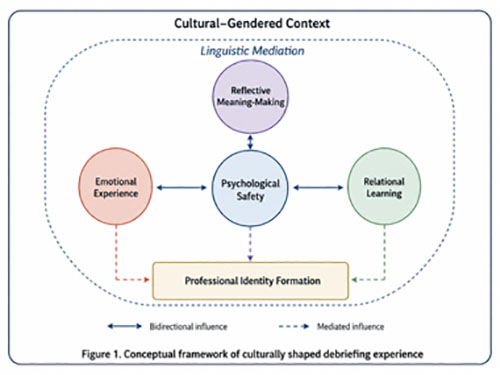
                                                                                                                                                            Supporting Figure


                                                                                                                                                            A49 Real-world effectiveness of defibrillator-integrated CPR feedback systems during in-situ cardiac arrest events: an observational study

                                                                                                                                                            Matthew Denney1, Jenny Bautista1, Warren Little1, Asli Ucyigit1

                                                                                                                                                            [1] The Cleveland Clinic London, London, United Kingdom

                                                                                                                                                            Correspondence: denneym@ccf.org

                                                                                                                                                            Context and Purpose:

                                                                                                                                                            High-quality cardiopulmonary resuscitation (CPR) is critical for survival following cardiac arrest, with international guidelines recommending chest compression depth of 5–6 cm and rate of 100–120 compressions per minute [1]. While simulation-based education and real-time feedback technologies improve CPR performance in controlled environments, their effectiveness in real clinical resuscitation remains uncertain. Defibrillators with integrated audiovisual feedback are widely used, yet their impact on real-world CPR quality requires evaluation. This study assessed CPR performance during in-situ cardiac arrests using existing feedback systems within a hospital setting.

                                                                                                                                                            Approach/Description of Practice:

                                                                                                                                                            A retrospective observational audit was conducted of all in-hospital cardiac arrests between 2022 and 2025 at The Cleveland Clinic London. Defibrillators with integrated CPR feedback captured real-time data on compression depth, rate, and proportion of time within guideline targets. Data were extracted via a central audit dashboard. Of 31 cardiac arrests, 16 had complete CPR datasets suitable for analysis.

                                                                                                                                                            Learning, Outcomes and/or Impact:

                                                                                                                                                            Mean compression depth was 5.0 cm and mean compression rate was 124 compressions per minute, indicating partial alignment with guideline targets. However, only 6% of total CPR time achieved simultaneous optimal depth and rate. Performance variability was significant, with depth compliance ranging from 0–40% and rate compliance from 0–19%. CPR duration ranged from 1 to 48 minutes.

                                                                                                                                                            Despite real-time audiovisual feedback (metronome prompts, visual depth indicators, and corrective cues), sustained adherence to optimal CPR quality was poor. This suggests that feedback alone may not be sufficient in high-stress resuscitation environments.

                                                                                                                                                            Figure 1 illustrates event-level variability in compression depth, rate, and proportion of CPR time within target ranges.

                                                                                                                                                            Reflections and Transferability:

                                                                                                                                                            This study highlights a gap between simulation-validated feedback systems and real-world CPR performance. Cognitive load, stress, and team dynamics may limit the effectiveness of real-time feedback during resuscitation. While feedback devices improve CPR quality in training settings, translation to clinical outcomes remains inconsistent [2]. CPR quality is strongly associated with physiological markers such as end-tidal CO₂ (EtCO₂), which were not routinely available in this study population [3].

                                                                                                                                                            Based on these findings and ERC recommendations, we propose introducing routine EtCO₂ monitoring during in-hospital cardiac arrests at our organisation to provide an objective physiological marker of CPR effectiveness alongside defibrillator-derived feedback. Future work should integrate multimodal physiological feedback with simulation training under realistic cognitive conditions to improve transfer to practice.

                                                                                                                                                            Ethics Statement:

                                                                                                                                                            As the submitting author, I can confirm that all relevant ethical standards of research and dissemination have been met. Additionally, I can confirm that the necessary ethical approval has been obtained, where applicable.

                                                                                                                                                            Conflict of Interest:

                                                                                                                                                            N/A

                                                                                                                                                            References

                                                                                                                                                            1. Perkins GD, Graesner JT, Semeraro F, et al. European Resuscitation Council Guidelines 2021: executive summary. Resuscitation. 2021;161:1–60. doi: 10.1016/j.resuscitation.2021.02.003.

                                                                                                                                                            2. Yeung J, Meeks R, Edelson D, Gao F, Soar J, Perkins GD. The use of CPR feedback/prompt devices during training and CPR performance: a systematic review. Resuscitation. 2009;80(7):743–51. doi: 10.1016/j.resuscitation.2009.04.012.

                                                                                                                                                            3. Sheak KR, Wiebe DJ, Leary M, et al. Quantitative relationship between end-tidal carbon dioxide and CPR quality during both in-hospital and out-of-hospital cardiac arrest. Resuscitation. 2015;89:49–54. doi: 10.1016/j.resuscitation.2015.01.026.
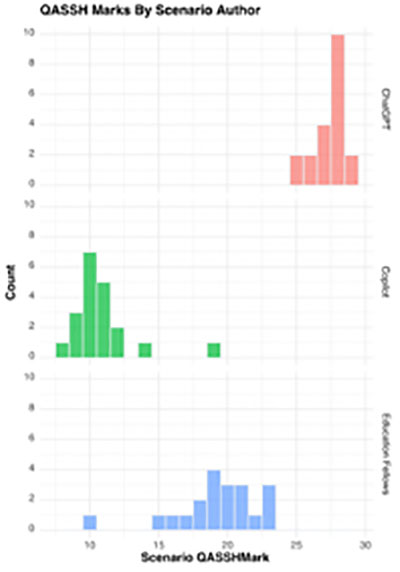
                                                                                                                                                            Supporting Figure


                                                                                                                                                            A50 Generative AI vs Education Fellow: Who Creates Better Simulation Scenarios?

                                                                                                                                                            Philippa Mallon1, Giammarco Ceppi1, Anastasia Tzatzidou1, Orhan Orhan1

                                                                                                                                                            [1] Chelsea & Westminster Hospital NHS Foundation Trust, United Kingdom

                                                                                                                                                            Correspondence: philippa.mallon@nhs.net

                                                                                                                                                            Introduction:

                                                                                                                                                            Simulation allows active learning within a safe environment. Well-designed scenarios support attainment of learning objectives through structured, controlled experiences [1]. High-quality scenarios typically include detailed scripts, SMART objectives, trigger actions, branching pathways and corrective measures; however, they are time-consuming and challenging to develop [2]. At Chelsea and Westminster Hospital NHS Foundation Trust (CWHFT), in-lab simulation scenarios have been written by Postgraduate Education Fellows over the last 12 years. Generative AI has the potential to efficiently generate ready-to-run evidence-based simulation scenarios for medical education.

                                                                                                                                                            Methods:

                                                                                                                                                            Twenty simulation scenarios currently used for both undergraduate and postgraduate medical simulation were evaluated using the simulation-scenario validated QASSH tool [2]. ChatGPT (OpenAI) was used to generate scenarios on identical topics and QASSH tool scores were compared with existing scenarios. The process was repeated using Copilot (Microsoft) with a custom agent restricted to searching CWHFT Simulation SharePoint files, including example scenarios and the INASCL Healthcare Simulation Standards of Best Practice [3]. Efforts were made to ensure prompts given to Education Fellows and generative AI were similar, however this cannot be guaranteed for older scenarios. Score distributions by author type were compared using Student’s T-test with Bonferroni correction, after confirming approximate normality. The maximum QASSH score was 32; two items were excluded due to irrelevance to written scenarios in this context.

                                                                                                                                                            Results:

                                                                                                                                                            ChatGPT generated scenarios scored significantly higher (Mean=27.4, SD=1.14) than Education Fellow written scenarios (Mean=19.2, SD=3.11; p<0.0001) and Copilot Simulation agent generated scenarios (Mean=10.85, SD=2.32; p<0.0001). Education Fellow scenarios scored significantly higher than the Co-pilot Simulation Agent scenarios (p<0.0001).

                                                                                                                                                            Discussion:

                                                                                                                                                            ChatGPT generated simulation scenarios demonstrated improved quality compared to existing scenarios. An AI Agent restricted to best-practice guideline sources, via Co-pilot, performed less well, perhaps due to the absence of a structured scenario-writing checklist in the CWHFT SharePoint files. Although QASSH is a validated tool, some subjectivity exists, and future work should include additional validated instruments or independent assessors. Further research is required to determine if higher QASSH scores translate to improved learning outcomes.

                                                                                                                                                            Ethics Statement:

                                                                                                                                                            As the submitting author, I can confirm that all relevant ethical standards of research and dissemination have been met. Additionally, I can confirm that the necessary ethical approval has been obtained, where applicable.

                                                                                                                                                            Conflict of Interest:

                                                                                                                                                            N/A

                                                                                                                                                            References

                                                                                                                                                            1. Benishek LE, Lazzara EH, Gaught WL, Arcaro LL, Okuda Y, Salas E. The Template of Events for Applied and Critical Healthcare Simulation (TEACH Sim). Simulation in Healthcare: Journal of the Society for Simulation in Healthcare. 2015 Feb;10(1):21–30.

                                                                                                                                                            2. Rivière E, Der Sahakian G, Tremblay ML, Chiniara G. Development and validation of the QASSH scale: a tool for assessing the quality of simulation scenarios in healthcare education. Medical Education Online. 2025 Apr 8;30(1).

                                                                                                                                                            3. Watts PI, Rossler K, Bowler F, et al. Onward and Upward: Introducing the Healthcare Simulation Standards of Best PracticeTM. Clinical Simulation in Nursing. 2021 Sep;58:1–4.
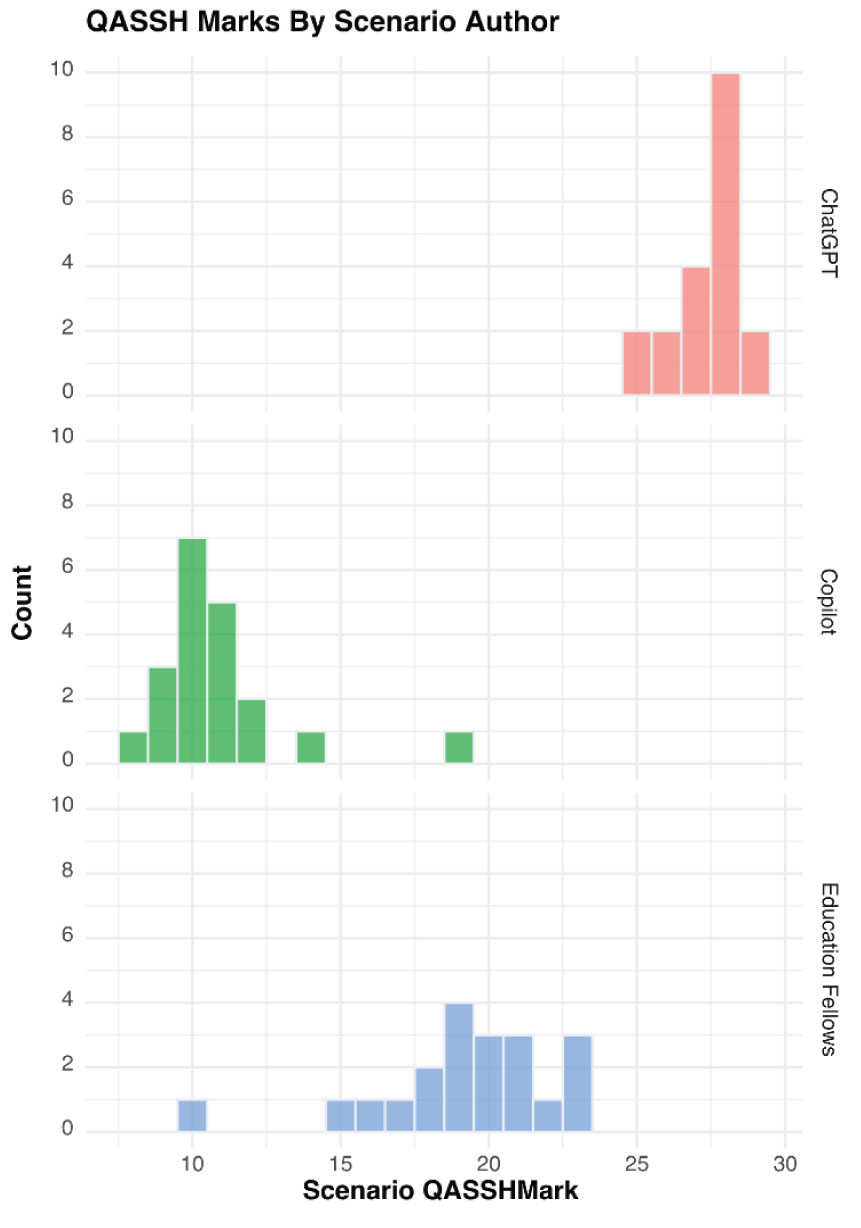
                                                                                                                                                            Supporting Figure


                                                                                                                                                            A51 The Impact of Sensor-Based Feedback Systems on Cardiopulmonary Resuscitation Performance in Simulation-Based Training: A Systematic Review and Meta-Analysis

                                                                                                                                                            Asli Ucyigit1, Matthew Denney1, Jenny Bautista1, Warren Little1

                                                                                                                                                            [1] The Cleveland Clinic London, London, United Kingdom

                                                                                                                                                            Correspondence: asli.ucyigit@nhs.net

                                                                                                                                                            Introduction:

                                                                                                                                                            High-quality cardiopulmonary resuscitation (CPR) is a key determinant of survival following cardiac arrest, with international guidelines emphasising optimal compression depth, rate, and chest recoil [1]. Simulation-based training is widely used in CPR education; however, traditional approaches often rely on subjective instructor feedback, which may lack consistency and immediacy. Sensor-based feedback systems (specifically CPR feedback devices) have been developed to provide real-time, objective performance data, potentially improving skill acquisition and adherence to guidelines.

                                                                                                                                                            Methods:

                                                                                                                                                            A systematic review and meta-analysis were conducted following a comprehensive search of PubMed, Scopus, Web of Science, and the Cochrane Library for studies published between January 2005 and March 2026. Randomised controlled trials and quasi-experimental studies comparing CPR training with and without sensor-based feedback systems were included. Primary outcomes were compression depth, compression rate, and chest recoil, while secondary outcomes included overall CPR quality and skill retention. Study quality was assessed using the Cochrane Risk of Bias tool, and a random-effects meta-analysis was performed using standardised mean differences (SMDs) with 95% confidence intervals.

                                                                                                                                                            Results:

                                                                                                                                                            Twenty-four studies involving approximately 4,200 participants met inclusion criteria. Sensor-based feedback systems significantly improved CPR performance across all measured domains: compression depth (standardised mean difference (SMD) 0.72, 95% confidence interval (CI) 0.55–0.89), compression rate (SMD 0.58, 95% CI 0.41–0.75), chest recoil (SMD 0.49, 95% CI 0.30–0.68), and overall CPR quality (SMD 0.63, 95% CI 0.47–0.79). Heterogeneity was moderate to high (I² = 52–78%). Subgroup analyses demonstrated consistent benefits across learner populations and device types. Evidence for skill retention suggested short-term improvement up to three months, with decline thereafter in the absence of refresher training. A forest plot illustrating pooled effect sizes and corresponding 95% confidence intervals for all primary outcomes is presented in Figure 1.

                                                                                                                                                            Discussion:

                                                                                                                                                            Sensor-based feedback systems significantly enhance CPR performance in simulation-based training and demonstrate consistent improvements across key resuscitation metrics. These findings are consistent with previous systematic reviews reporting improved CPR quality with feedback devices [2,3]. The observed benefits are likely attributable to real-time corrective feedback, which supports deliberate practice and accelerates skill acquisition. However, all included studies were conducted in simulation environments, limiting generalisability to real-world clinical outcomes. Additionally, moderate heterogeneity and variability in device types highlight the need for standardisation in future research. While improvements in CPR quality are strongly associated with better survival outcomes, further studies are required to establish whether these educational gains translate into improved patient outcomes and long-term skill retention.

                                                                                                                                                            Ethics Statement:

                                                                                                                                                            As the submitting author, I can confirm that all relevant ethical standards of research and dissemination have been met. Additionally, I can confirm that the necessary ethical approval has been obtained, where applicable.

                                                                                                                                                            Conflict of Interest:

                                                                                                                                                            N/A

                                                                                                                                                            References

                                                                                                                                                            1. Perkins GD, Handley AJ, Koster RW, et al. European Resuscitation Council Guidelines 2021: executive summary. Resuscitation. 2021;161:1–60. doi: 10.1016/j.resuscitation.2021.02.003.

                                                                                                                                                            2. Yeung J, Meeks R, Edelson D, Gao F, Soar J, Perkins GD. The use of CPR feedback/prompt devices during training and CPR performance: a systematic review. Resuscitation. 2009;80(7):743–51. doi: 10.1016/j.resuscitation.2009.04.012.

                                                                                                                                                            3. Kirkbright S, Finn J, Tohira H, Bremner A, Jacobs I, Celenza A. Audiovisual feedback device use by health care professionals during CPR: a systematic review and meta-analysis of randomised and non-randomised trials. Resuscitation. 2014;85(4):460–71. doi: 10.1016/j.resuscitation.2013.12.012.
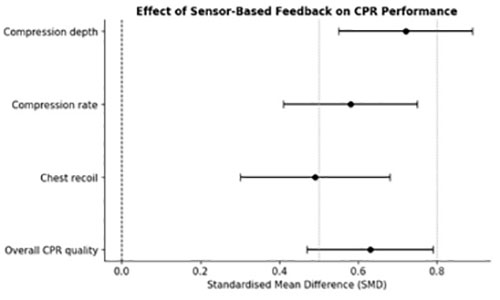
                                                                                                                                                            Supporting Figure


                                                                                                                                                            A52 More than skin deep: combining visual, haptic, and sonographic realism in a low-cost pericardiocentesis phantom

                                                                                                                                                            Ash Riddington1, James Chu2, Willers Johann2

                                                                                                                                                            [1] Brighton & Sussex Medical School, Brighton, United Kingdom

                                                                                                                                                            [2] University Hospitals Sussex NHS Foundation Trust, United Kingdom

                                                                                                                                                            Correspondence: a.riddington1@uni.bsms.ac.uk

                                                                                                                                                            Introduction:

                                                                                                                                                            Pericardiocentesis is performed to drain pericardial fluid and relieve cardiac tamponade. As a high-acuity, low-occurrence procedure, simulation-based training is essential, yet access is limited by commercial costs exceeding £2,000 [1].

                                                                                                                                                            Existing high-fidelity DIY simulators are constrained by transparent soft tissue analogues. This reduces realism and educational value by permitting direct visualisation of needle trajectory, therefore bypassing ultrasound-guidance. Models incorporating opaque skin layers have improved functionality, but often compromise three-dimensional surface anatomy due to air entrapment when applying flat sheets over complex contours [2].

                                                                                                                                                            Liquid latex enables conformal coating of irregular surfaces, allowing integration of an opaque skin layer while preserving anatomical contour. As a soft tissue analogue, Aqueous Dietary Fibre Antifreeze Mix gel (ADAMgel) mimics both tactile and sonographic properties, is low-cost, and reusable [3]. This study describes the design and evaluation of a novel DIY simulator using these materials to integrate external anatomical contouring with ultrasound fidelity.

                                                                                                                                                            Methods:

                                                                                                                                                            A pericardiocentesis simulator was designed using low-cost, accessible materials. Medical students (n=11) attended a 30 minute simulation session delivered 1:1 by a point-of-care-ultrasound expert in December 2025. Post-training feedback assessed fidelity, usability, and acceptability using mixed methods (Likert and thematic analysis). Pre- and post-training Likert questionnaires captured self-assessed procedural knowledge and confidence, used to derive composite domain scores.

                                                                                                                                                            Results:

                                                                                                                                                            The completed model and ultrasound views are shown in Figure 1. Production cost £115, falling to £6 for subsequent builds due to reusable components. Construction took 4.5 hours over 6 days. The model tolerated >100 punctures without leakage, although the subxiphoid skin showed mechanical wear. All participants successfully performed ultrasound-guided pericardiocentesis. Ten of eleven participants agreed the model felt realistic, and all would recommend its use. Qualitative feedback highlighted realism and educational value, with suggested improvements focusing on skin durability. Knowledge increased from median 2.00 to 4.33 (W=0.00, p=0.04, r=1.0). Confidence increased from median 1.60 to 3.80 (W=0.00, p=0.04, r=1.0).

                                                                                                                                                            Discussion:

                                                                                                                                                            This ADAMgel-latex pericardiocentesis simulator is a feasible low-cost alternative to existing models, combining functional fidelity with material innovation. The conformal latex skin enables an opaque layer with realistic 3D surface anatomy, addressing a key gap in DIY simulators. Its reusability and low cost support scalability and wider access to procedural simulation. Skin durability remains a limitation and target for refinement. Improvements in self-reported knowledge and confidence suggest educational value, although these likely reflect training and simulator exposure. Further evaluation using objective performance measures and experienced clinicians is required.

                                                                                                                                                            Ethics Statement:

                                                                                                                                                            As the submitting author, I can confirm that all relevant ethical standards of research and dissemination have been met. Additionally, I can confirm that the necessary ethical approval has been obtained, where applicable.

                                                                                                                                                            Conflict of Interest:

                                                                                                                                                            N/A

                                                                                                                                                            References

                                                                                                                                                            1. Medi Scientific. MW15 Ultrasound-Guided Pericardiocentesis Simulator 2026 [cited 2026 9 Mar]. Available from: https://mediscientific.co.uk/product/mw15-ultrasound-guided-pericardiocentesis-simulator/

                                                                                                                                                            2. Young TP, Kuntz HM. Modification of Daly's Do-it-yourself, Ultrasound-guided Pericardiocentesis Model for Added External Realism. West J Emerg Med. 2018;19(3):465–6.

                                                                                                                                                            3. Willers JW, Colucci G, Roberts A, Barnes L. 0031 Adamgel: An economical, easily prepared, versatile, self repairing and recyclable tissue analogue for procedural simulation training. BMJ Simulation and Technology Enhanced Learning. 2015;1:A27.
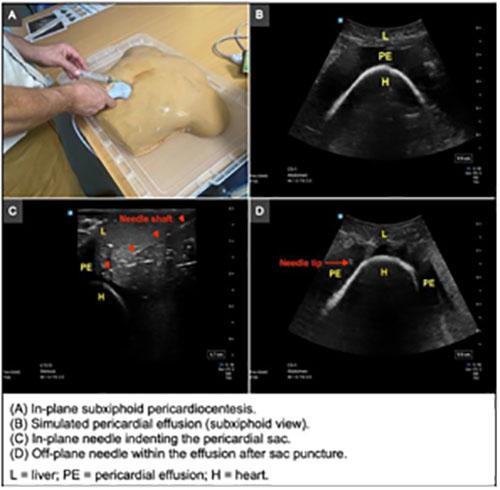
                                                                                                                                                            Supporting Figure


                                                                                                                                                            A53 No More Paper Cuts: Integrating Electronic Patient Records Into Interprofessional Simulation

                                                                                                                                                            Chelsea Walton1, Graham Bone1, Lindsay Pearson1, Shaunna Cronin1

                                                                                                                                                            [1] South Tees Hospitals NHS Foundation Trust, United Kingdom

                                                                                                                                                            Correspondence: chelswalton95@gmail.com

                                                                                                                                                            Context and Purpose:

                                                                                                                                                            Electronic patient record (EPR) and prescribing systems are now embedded within UK healthcare and are widely recognised for improving patient safety, continuity of care, and supporting clinical decision-making [1]. While medical and nursing students may encounter EPR systems during clinical placements, simulation-based education within UK curriculum often remains reliant on paper documentation [2]. There is a growing need to integrate EPR into simulation to improve authenticity and better prepare students for modern clinical practice.

                                                                                                                                                            This project aimed to incorporate EPR into interprofessional simulation involving medical and nursing students.

                                                                                                                                                            Approach/Description of Practice:

                                                                                                                                                            We delivered a high-fidelity interprofessional simulation using a simulated EPR platform (SimEPR). The scenario involved a role-played patient with chest sepsis requiring escalation to intensive care. A simulated patient record was created with the digital educator team using the MIYA electronic system, providing access to a realistic, fully populated electronic record including observations, electronic prescribing (ePMA) and clinical documentation.

                                                                                                                                                            Within the simulation, nursing students conducted initial assessment, recognised deterioration, began management and escalated using SBAR approach. Medical students responded, performed an A–E assessment, interpreted findings and initiated investigations and treatment.

                                                                                                                                                            Both groups collaborated within the EPR to record and interpret observations, generate NEWS scores, review notes and medication charts, complete documentation, access ePMA systems, and prescribe and administer medications in real time. The session emphasised interprofessional communication, teamwork and real-time digital documentation to aid shared-decision making.

                                                                                                                                                            Learning, Outcomes and/or Impact:

                                                                                                                                                            Thirteen participants (6 nursing, 7 medical students) completed anonymous questionnaires. Feedback was highly positive, with all participants selecting “agree” or “strongly agree” across evaluation domains including interprofessional learning, use of EPR, integration of inter-professional learning (IPL) and EPR within simulation, and overall educational value. Participant feedback indicated that the SimEPR enhanced realism, supported clinical reasoning, and improved confidence in navigating digital systems. Learners valued integrating teamwork with EPR use, noting it better reflected clinical practice. Challenges included cognitive load, group size, task allocation, and varying digital familiarity.

                                                                                                                                                            Reflections and Transferability:

                                                                                                                                                            Integrating simulated EPR enhanced fidelity and engagement across professions. Future work will involve longitudinal delivery to increase sample size and evaluate impact. Drawing on experiential learning theory, this approach supports active interprofessional learning and is transferable to programmes integrating digital systems into simulation-based education.

                                                                                                                                                            Ethics Statement:

                                                                                                                                                            As the submitting author, I can confirm that all relevant ethical standards of research and dissemination have been met. Additionally, I can confirm that the necessary ethical approval has been obtained, where applicable.

                                                                                                                                                            Conflict of Interest:

                                                                                                                                                            N/A

                                                                                                                                                            References

                                                                                                                                                            1. Honavar SG. Electronic medical records – the good, the bad and the ugly. Indian J Ophthalmol. 2020;68(3):417–8. PMID: 32056991; PMCID: PMC7043175.

                                                                                                                                                            2. Buttery A, Courtney R, Kirby A, Repton B, Roberts C, Thind A. A102: Embedding electronic patient records into routine medical simulation training across the South East of England, a pioneering regional collaboration. International Journal of Healthcare Simulation. 2023 Oct;3(Suppl 1):A70–A71. doi: 10.54531/RAJC2760.


                                                                                                                                                            A54 Getting behind the headset: a mixed methods study to explore clinical reasoning in virtual reality simulation

                                                                                                                                                            Lauren Medwell12, Sally Shiels1

                                                                                                                                                            [1] University of Oxford, Oxford, United Kingdom

                                                                                                                                                            [2] Great Western Hospital, Swindon, United Kingdom

                                                                                                                                                            Correspondence: lauren.medwell2@nhs.net

                                                                                                                                                            Introduction:

                                                                                                                                                            Virtual Reality (VR) is a novel modality for delivering simulation within medical education. However, research has focused on user experiences or knowledge outcomes rather than complex skills like Clinical Reasoning (CR) [1]. CR is central to healthcare professional’s competence and requires repeated explicit practice to develop. Cooper et al. recommended five domains of CR learning: CR concepts, history and physical examination, choosing and interpreting diagnostic tests, problem identification and management, and shared decision-making [2]. This research explored the CR process within VR simulation to better understand which domains of CR could be taught effectively using VR.

                                                                                                                                                            Aims:

                                                                                                                                                            (1) Exploring how clinical reasoning can be demonstrated in VR simulation.

                                                                                                                                                            (2) Investigating how clinicians of different expertise levels approach clinical reasoning in VR simulation.

                                                                                                                                                            Methods:

                                                                                                                                                            A convergent mixed methods design was utilised to explore CR in depth within one VR simulation regarding sepsis developed by Goggleminds [3]. In 2025, three groups of participants: medical students, early career clinicians and experienced clinicians completed the simulation whilst speaking their thoughts aloud to better understand their reasoning process. Data was triangulated from the sequential flow of steps taken, the think aloud data and the participants’ actions and outcomes as compared to an objective checklist. Data was analysed in an integrated manner with the ‘think aloud’ data investigated using thematic analysis.

                                                                                                                                                            Results:

                                                                                                                                                            Findings from 10 participants showed evidence of CR, with seven features found which differentiated expertise. All apart from the two most junior participants considered the correct diagnosis. However, the average percentage of actions completed against an objective checklist showed an inverse relationship with expertise. Three themes were identified in related to how CR can be demonstrated in VR:

                                                                                                                                                              1.Not just theories: how data demonstrated CR related to theories and models;

                                                                                                                                                              2.Indicators of CR errors: common cognitive pitfalls;

                                                                                                                                                              3.The context: how VR simulation may impact the CR process.

                                                                                                                                                            Discussion:

                                                                                                                                                            This study found evidence that CR can be demonstrated in VR simulation and its particular use in teaching two CR domains (considering investigations, problem identification and management). However, the simulation included drop-down menus and scaffolded questions which may limit the formats suitability in teaching other CR domains (shared decision making and communication). While some features differentiated levels of expertise, the three triangulated data sources showed success across different groups. This may suggest VR simulation should be used with caution in assessment of CR, as different assessment metrics may produce contrasting results.

                                                                                                                                                            Ethics Statement:

                                                                                                                                                            As the submitting author, I can confirm that all relevant ethical standards of research and dissemination have been met. Additionally, I can confirm that the necessary ethical approval has been obtained, where applicable.

                                                                                                                                                            Conflict of Interest:

                                                                                                                                                            N/A

                                                                                                                                                            References

                                                                                                                                                            1. Curran VR, Xu X, Aydin MY, Meruvia-Pastor O. Use of Extended Reality in Medical Education: An Integrative Review. Med Sci Educ. 2022 Dec 19;33(1):275–86. doi: 10.1007/s40670-022-01698-4.

                                                                                                                                                            2. Cooper N, Bartlett M, Gay S, Hammond A, Lillicrap M, Matthan J, et al. Consensus statement on the content of clinical reasoning curricula in undergraduate medical education. Medical Teacher. 2021 Feb 1;43(2):152–9. doi: 10.1080/0142159X.2020.1842343. PubMed PMID: 33205693.

                                                                                                                                                            3. Goggleminds. Goggleminds Website [Internet]. Available from: https://www.goggleminds.com/ [Accessed 28 April 2026].


                                                                                                                                                            A55 Optimising Immersive Simulation in Healthcare Education: A Mixed Method Study

                                                                                                                                                            Elham Karimi1, Al Ross1

                                                                                                                                                            [1] University Of Staffordshire, Research Centre for Health Innovation (R-CHI), Stoke-On-Trent, United Kingdom

                                                                                                                                                            Correspondence: elham.karimi@research.staffs.ac.uk

                                                                                                                                                            Introduction:

                                                                                                                                                            Immersive simulation technologies, when applied in healthcare education, foster clinical competencies and improve patient safety by providing the opportunity for repetitive practice of a range of clinical scenarios in a safe environment [1]. Barriers and enablers to immersive healthcare simulation delivery are emerging in recent scientific literature, and a set of these have been identified through a scoping review followed by an online international Delphi study with experts. Now there is a need to explore this from multiple perspectives by conducting a focus group study. The findings of the focus group study will then be synthesised with previous studies’ results. By leveraging the collective expertise of stakeholders, this study aims to address existing challenges, advance theoretical frameworks, and enhance outcomes for learners, faculty, and organisations in healthcare simulation.

                                                                                                                                                            Methods:

                                                                                                                                                            A total of 228 studies were analysed, and themes were extracted for the Delphi study. After ethical approval a panel with expertise in immersive simulation completed two online survey rounds (n=25; n=19) on the Qualtrics platform. The focus group study that is ethically approved will be conducted online via Teams. One group of educators and/or researchers, one group of simulation technicians and two groups of students will shape the study. Participants will be recruited according to the inclusion/exclusion criteria. The target recruitment for each group is n=6 with a range of ± 2, so 4–8 participants. The focus groups will be recorded and transcribed and will be thematically analysed by way of template analysis [2], which is relatively deductive while allowing for subthemes to emerge.

                                                                                                                                                            Results:

                                                                                                                                                            The most important enabler identified through the Delphi study was creating psychological safety for learners. The consensus was that lack of financial resources and lack of IT or digital infrastructure are the most important barriers that need to be addressed. The significant actions to take place were integrating immersive simulation with traditional simulation spaces; developing guidelines as to good practice; granting training opportunities for the staff and faculty; and better collaboration between stakeholders. The focus group participants will be asked to outline their experience and discuss how to address barriers and/or improve immersive simulation outcomes.

                                                                                                                                                            Discussion:

                                                                                                                                                            This study integrates current domain knowledge with experts’ insight. The results will guide pedagogy, research, technological innovation and policy in immersive simulation in healthcare education. Optimising immersive simulation through the examination of priority areas leads to improved outcomes for learners, faculty, and organisations.

                                                                                                                                                            Ethics Statement:

                                                                                                                                                            As the submitting author, I can confirm that all relevant ethical standards of research and dissemination have been met. Additionally, I can confirm that the necessary ethical approval has been obtained, where applicable.

                                                                                                                                                            Conflict of Interest:

                                                                                                                                                            None.

                                                                                                                                                            References

                                                                                                                                                            1. Tang YM, Chau KY, Kwok APK, Zhu T, Ma X. A systematic review of immersive technology applications for medical practice and education-trends, application areas, recipients, teaching contents, evaluation methods, and performance. Educational Research Review. 2022;35:100429.

                                                                                                                                                            2. Brooks J, McCluskey S, Turley E, King N. The utility of template analysis in qualitative psychology research. Qualitative Research in Psychology. 2015;12(2):202–22.


                                                                                                                                                            A56 Virtual Simulation in Postgraduate Healthcare Education: Definition, Models, Potential Emerging AI-Technologies and Applications in Emergency Medicine: A Scoping Review

                                                                                                                                                            Mohammed Almarhabi12, Claire Hawkes1, Crina Grosan1, Linda Sonesson1

                                                                                                                                                            [1] King's College London, London, United Kingdom

                                                                                                                                                            [2] Ummul Al-Qura University, Makkah, Saudi Arabia

                                                                                                                                                            Correspondence: mohammed.almarhabi@kcl.ac.uk

                                                                                                                                                            Introduction:

                                                                                                                                                            Virtual simulation (VS) is increasingly used in healthcare education to provide interactive, standardised learning environments. While well established in undergraduate education, its use in postgraduate training, including emergency medicine, remains less clearly characterised, with the absence of a clear, consistent definition and limited evidence on VS conceptualisation [1]. This scoping review aimed to map the existing evidence on VS models in postgraduate healthcare education, examining how VS is defined, characterised, and applied, with attention to emergency medicine contexts, as well as associated challenges and research gaps.

                                                                                                                                                            Methods:

                                                                                                                                                            Guided by the Joanna Briggs Institute methodology for scoping reviews and adherence to the PRISMA-ScR checklist, a search was conducted across seven databases (PubMed, EMBASE, Cochrane, CINAHL, ERIC, Web of Science, and the International Journal of Healthcare Simulation). Studies from 2014–24 were screened using predefined criteria. Data were synthesised using thematic and descriptive analyses: thematic analysis examined VS definitions and key themes, while descriptive analyses summarised modalities and applications.

                                                                                                                                                            Results:

                                                                                                                                                            41 studies met inclusion criteria, including 14 (34.15%) in emergency medicine (Figure 1). Descriptive analyses identified virtual patients (n=14) and virtual reality (n=9) as the most common modalities, followed by serious games and screen/web-based simulations (n=6 each). Less frequently reported included mixed reality (n=3) and augmented reality (n=1), with a small number of studies combining modalities. Thematic analysis identified four themes: (1) VS definition, (2) model characteristics, (3) research gaps, (4) implementation challenges. VS was defined as an interactive, computer-based tool for simulating clinical cases through static or branching scenarios. Across studies, VS supported decision-making through predominantly linear, alongside branched and data-driven designs. Key gaps included limited realism, lack of real-time feedback, and minimal integration of clinical data. Common challenges included technical-limitations (e.g., programming bugs) and usability issues (e.g., user familiarity).

                                                                                                                                                            Discussion:

                                                                                                                                                            As identified as in issue in previous literature [2], this review seeks to clarify the conceptualisation of VS. VS models employ diverse modalities and scenario designs that support clinical reasoning and decision-making aligned with previous studies. These models were applied across multiple healthcare contexts, with a notable emphasis on emergency medicine as a key training setting, reflecting its complexity. However, key gaps were identified, including variable levels of realism and immersive fidelity, a lack of real-time feedback, and minimal integration of real-world clinical data. These findings highlight the need to enhance the realism of current VS, as artificial intelligence may offer promising opportunities for more adaptive and data-driven simulation experiences [3].

                                                                                                                                                            Ethics Statement:

                                                                                                                                                            As the submitting author, I can confirm that all relevant ethical standards of research and dissemination have been met. Additionally, I can confirm that the necessary ethical approval has been obtained, where applicable.

                                                                                                                                                            Conflict of Interest:

                                                                                                                                                            N/A

                                                                                                                                                            References

                                                                                                                                                            1. Sonesson L, Boffard KD, Örtenwall P, Vekzsler P. Determining the educational impact of virtual patients on trauma team training during a multinational, large-scale civil-military simulation exercise. J Trauma Acute Care Surg 2023;95:S99–105. doi: 10.1097/TA.0000000000004017.

                                                                                                                                                            2. Gao Y, Zhu X. Research on the learning experience of virtual simulation class experimental teaching and learning based on the perspective of nursing students. BMC Nurs 2023;22. doi: 10.1186/s12912-023-01534-z.

                                                                                                                                                            3. Zidoun Y, Mardi AEL. Artificial Intelligence (AI)-Based simulators versus simulated patients in undergraduate programs: A protocol for a randomized controlled trial. BMC Med Educ 2024;24:1–7. doi: 10.1186/S12909-024-06236-X/TABLES/1.
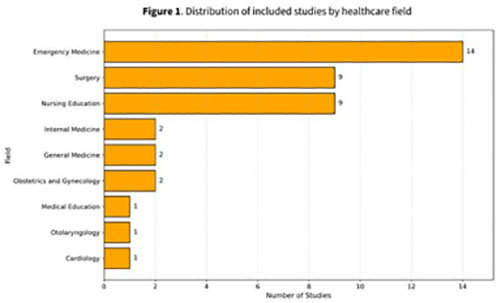
                                                                                                                                                            Supporting Figure


                                                                                                                                                            A57 Development of a “Home-made” Model to Simulate the Visual and Tactile Elements of Ultrasound-Guided Pericardiocentesis, Using Readily Accessible Components

                                                                                                                                                            Eric Richardson1, Mohit Arora1

                                                                                                                                                            [1] Leeds Teaching Hospitals NHS Trust, Leeds, United Kingdom

                                                                                                                                                            Correspondence: eric.richardson@nhs.net

                                                                                                                                                            Context and Purpose:

                                                                                                                                                            Ultrasound-guided needle pericardiocentesis is a procedural skill that higher specialty trainees in emergency medicine are expected to be competent in performing by completion of training. With a narrow therapeutic indication for implementation clinically, opportunities to perform this skill are limited, and due to the cost of commercial pericardiocentesis models [1], trainees can find it challenging to access practice opportunities. The objective here was to design a model that simulates the tactile “feel” of the clinical skill and generates images comparable with those from a real needle pericardiocentesis; all at an affordable price and ideally allowing for multiple uses by trainees as might occur in a clinical skill tutorial.

                                                                                                                                                            Description of Practice:

                                                                                                                                                            After review of previous efforts to design pericardiocentesis models [2], a prototype was designed with a water-filled balloon within a second water-filled balloon representing the myocardium and pericardial sac respectively, covered by a layer of firm tofu to simulate overlying tissues. This model created a good view of the pericardial penetration, but the lack of cardiac contractility and the difficulty viewing the border of the myocardium prompted a redesign. This second model, a water-filled balloon attached to a pump to inflate/deflate to simulate myocardium contraction, inside a cola-filled plastic bottle, produced more realistic views of myocardium on ultrasound, but the harder pericardium made needle penetration challenging, requiring force that would result in the needle jolting forward once the plastic gave, often puncturing the inner myocardial balloon and breaking the model. A third model combined both the protype’s “balloon-within-a-balloon” design with an inner contracting myocardial pump.

                                                                                                                                                            Learning, Outcomes and Impact:

                                                                                                                                                            The final model was used to deliver a skill tutorial to 15 emergency medicine trainees, with three models sufficient to ensure all trainees were given opportunity to practice the skill. Images generated were similar to those generated in a real pericardiocentesis, and the actual mechanism used to aspirate the model was similar to that of the real procedure. The cost of components required to make these three models, purchased from a UK supermarket, was approximately £10 [3].

                                                                                                                                                            Reflections and Transferability:

                                                                                                                                                            Whilst having several components that could be developed to improve realism, such as replicating the presence of a ribcage and altering the positioning of the model to better replicate the positioning of a patient undergoing the procedure, this model can be used to simulate the overall “feel” of the procedure at a comparatively low price and minimal difficulty in manufacture.

                                                                                                                                                            Ethics Statement:

                                                                                                                                                            As the submitting author, I can confirm that all relevant ethical standards of research and dissemination have been met. Additionally, I can confirm that the necessary ethical approval has been obtained, where applicable.

                                                                                                                                                            Conflict of Interest:

                                                                                                                                                            None.

                                                                                                                                                            References

                                                                                                                                                            1. Anatomystuff.co.uk. Pericardiocentesis Model. Available from: https://www.anatomystuff.co.uk/products/pericardiocentesis-simulator?srsltid=AfmBOopU_eJZyIojVu4VcIGqrk9kr2on_hrH8ckHdzeLwqaSK8LJ-3El [Accessed 21 April 2026].

                                                                                                                                                            2. Arias DP, et al. Easily constructed and low-cost ultrasound-guided pericardiocentesis simulation model. Anales De Pediatria (English Edition). 2023 Aug;99(2):141–2. Available from: https://pubmed.ncbi.nlm.nih.gov/37474419/ [Accessed 21 April 2026].

                                                                                                                                                            3. Sainsburys Online Shopping. Available from: https://www.sainsburys.co.uk/ [Accessed 21 April 2026].
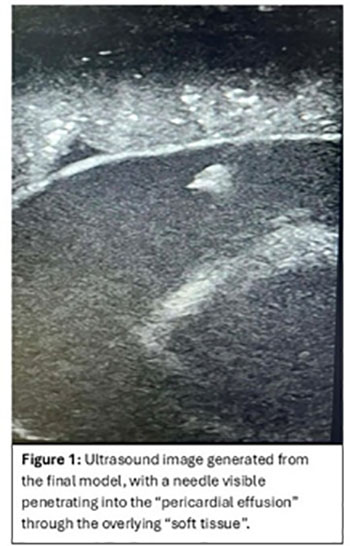
                                                                                                                                                            Supporting Figure


                                                                                                                                                            A58 Utilising 360-Degree Virtual Reality Simulation for Intravitreal Injection Training: A Mixed-Methods Evaluation of Perceptions and Knowledge Acquisition in Novice Medical Students

                                                                                                                                                            Simran Dhugga1, Neil Parmar1, Ahoane Qureshi1, Cheryl Stevens-Muir1

                                                                                                                                                            [1] University Hospitals Birmingham NHS Foundation Trust, Birmingham, United Kingdom

                                                                                                                                                            Correspondence: simran.dhugga@uhb.nhs.uk

                                                                                                                                                            Introduction:

                                                                                                                                                            Intravitreal injections (IVIs) are among the most frequently performed ophthalmic procedures worldwide, with growing demand resulting in the need to effectively train increasing numbers of competent injectors. Immersive 360-degree training videos have been shown to promote procedural skill development and could support the delivery of scalable training [1]. This study aimed to evaluate whether a novel 360-degree virtual reality simulation used for IVI training supported knowledge acquisition and was acceptable to novice medical students.

                                                                                                                                                            Methods:

                                                                                                                                                            A novel 360-degree training video was developed in accordance with guidance from the Royal College of Ophthalmologists [2]. A mixed-methods evaluation was conducted involving medical students (n=15) attending an IVI training workshop in January 2026. Learner perceptions were explored through a post-session questionnaire including Likert-scale rating items and free-text responses. These were then explored using descriptive statistics and Braun and Clarke's reflexive thematic analysis (Kirkpatrick Level 1) [3]. Knowledge acquisition was assessed using pre- and post-session MCQ quizzes, with scores compared between groups using the Mann-Whitney U test (Kirkpatrick Level 2).

                                                                                                                                                            Results:

                                                                                                                                                            All students rated the video as engaging, and 87% felt it maintained their attention better than traditional instructional video. All participants found the video to be realistic and useful. Contextualisation of the procedure within a realistic clinical environment was perceived as beneficial by 93% of participants. Four themes were identified through thematic analysis of free-text responses, including: (1) Immersion and Presence; (2) Procedural Understanding and Learning Value; (3) Engagement with the Visual Demonstration; and (4) Physical and Technical Challenges. Learner MCQ scores improved significantly from a pre-session median of 4/8 (IQR: 3–5) to a post-session median of 7/8 (IQR: 6–7) (Mann-Whitney U=34, p<0.001, r=0.68).

                                                                                                                                                            Discussion:

                                                                                                                                                            To our knowledge, this study represents the first evaluation of the use of 360-degree virtual reality simulation for IVI training. The training video was well received by novice injectors and associated with a statistically significant knowledge gain. The immersive, contextualised nature of 360-degree video may offer advantages over traditional training formats. Consideration should be given to mitigate technical issues and improve accessibility for those with religious head coverings. Study findings were limited by the small sample size and brevity of free-text feedback responses. Our findings offer early evidence to support the acceptability and efficacy of 360-degree video in procedural skills training, but further research is required to evaluate practical skill acquisition and feasibility at scale.

                                                                                                                                                            Ethics Statement:

                                                                                                                                                            As the submitting author, I can confirm that all relevant ethical standards of research and dissemination have been met. Additionally, I can confirm that the necessary ethical approval has been obtained, where applicable.

                                                                                                                                                            Conflict of Interest:

                                                                                                                                                            N/A

                                                                                                                                                            References

                                                                                                                                                            1. Blair C, Walsh C, Best P. Immersive 360° videos in health and social care education: a scoping review. BMC Med Educ. 2021;21(1):590.

                                                                                                                                                            2. Ophthalmic Service Guidance Intravitreal injection therapy 2018. Available from: https://curriculum.rcophth.ac.uk/wp-content/uploads/2018/02/Intravitreal-Injection-Therapy-August-2018-2.pdf [Accessed 1 January 2026].

                                                                                                                                                            3. Braun V, Clarke V. Using thematic analysis in psychology. Qualitative Research in Psychology. 2006;3(2):77–101.


                                                                                                                                                            A59 TinyDocs Talk: On-Demand Audio Simulation Supporting Paediatric ST 1 & ST 3 Interview Preparation for International Graduates

                                                                                                                                                            Issra Ibrahim1, Guiria Ibrahim1, Hanan Aliab1

                                                                                                                                                            [1] British Sudanese Association of Paediatrics and Child Health (PSAPCH), United Kingdom

                                                                                                                                                            Correspondence: esraa327@gmail.com

                                                                                                                                                            Context and Purpose:

                                                                                                                                                            International medical graduates (IMGs) are statistically less likely than UK-trained peers to secure paediatric training posts [1], citing limited access to structured mock practice, culturally aligned coaching and affordable resources. Live interview workshops help but reach only small cohorts and are not recorded. Podcasts can provide flexible, accessible learning within medical education [2]. To create a permanently available alternative, the British Sudanese Association of Paediatrics & Child Health (BSAPCH) launched The TinyDoc Talk, a free, volunteer run podcast that turns real interview scenarios into on-demand audio simulation.

                                                                                                                                                            Description of Practice:

                                                                                                                                                            Fourteen episodes (15–18 min) cover high-stakes topics commonly probed at ST panels, e.g. asthma, bronchiolitis, anaphylaxis, diabetic keto-acidosis, safeguarding, status epilepticus and supraventricular tachycardia. Each episode follows a two-stage structure: Approach primer: a concise walkthrough of a systematic ABC or problem focused framework.

                                                                                                                                                            Timed simulation: the host plays interviewer; a guest registrar answers under realistic time pressure, modelling depth and language expected by UK panels.

                                                                                                                                                            Episodes are recorded with basic consumer microphones, edited in open source software and peer reviewed by diaspora paediatricians for cultural and clinical accuracy. The series streams free on YouTube. Autogenerated captions and downloadable transcripts support low-bandwidth access and accessibility needs.

                                                                                                                                                            Reach and Preliminary Feedback:

                                                                                                                                                            Since its 2024 launch the podcast has logged 11 200 plays (median ≈ 1 000 per episode) across few countries; Comment analysis highlights use for “other NHS interviews” and “OSCE revision,” suggesting cross-disciplinary utility.

                                                                                                                                                            Reflections and Transferability:

                                                                                                                                                            Strengths include 24/7 availability, zero cost, bandwidth-friendly audio and diaspora hosts who bridge cultural gaps. Limitations are absence of performance metrics and reliance on volunteer time for episode updates. Nevertheless, the model illustrates how low-tech digital simulation can widen participation and could be replicated for other specialties or languages.

                                                                                                                                                            Planned Next Steps:

                                                                                                                                                            Future work will: (1) add subtitles, (2) embed interactive quizzes, and (3) run a prospective study linking episode engagement to interview outcomes.

                                                                                                                                                            Ethics Statement:

                                                                                                                                                            As the submitting author, I can confirm that all relevant ethical standards of research and dissemination have been met. Additionally, I can confirm that the necessary ethical approval has been obtained, where applicable.

                                                                                                                                                            Conflict of Interest:

                                                                                                                                                            None.

                                                                                                                                                            References

                                                                                                                                                            1. Woolf K, Potts HWW, McManus IC. Differential attainment in UK postgraduate medical training: systematic review and narrative synthesis. BMJ. 2025;381:1234–9.

                                                                                                                                                            2. Green R, Pardede A, Hogg G. Podcasts in undergraduate and postgraduate medical education: a scoping review. Med Teach. 2020;42(10):1108–15.


                                                                                                                                                            A60 Interprofessional in situ simulation to improve the Neonatal–Surgical Interface

                                                                                                                                                            Mervat Elyas1, Aala Farah1, Hannah Shore1

                                                                                                                                                            [1] Leeds Teaching Hospitals NHS Trust, United Kingdom

                                                                                                                                                            Correspondence: mervat.elyas@nhs.net

                                                                                                                                                            Context and Purpose:

                                                                                                                                                            Neonatal surgical emergencies are high-risk, time-critical events requiring rapid, coordinated input from neonatal, surgical, and anaesthetic teams. These events span multiple clinical environments, yet opportunities for joint multidisciplinary training remain limited. Differences in escalation processes, communication, and team structure can introduce risk. This initiative aimed to support communication, escalation and coordination across perioperative and emergency neonatal surgical pathways through interprofessional in situ simulation, exploring real clinical systems and processes [1].

                                                                                                                                                            Approach/Description of Practice:

                                                                                                                                                            In situ simulation was delivered across the delivery suite and neonatal unit, including HDU, ICU and surgical newborn areas. Scenarios included neonatal surgical presentations and perioperative processes such as gastroschisis, necrotising enterocolitis, bowel perforation, volvulus, MDT huddles, pre-theatre stabilisation and transfer to theatre.

                                                                                                                                                            Participants included neonatal doctors, nurses, advanced neonatal nurse practitioners and paediatric surgeons. Sessions included structured debriefing with a focus on communication, escalation, leadership, and team coordination. Quantitative and qualitative feedback were collected to explore learning, relevance and identification of system level issues [2].

                                                                                                                                                            Learning, Outcomes and/or Impact:

                                                                                                                                                            Interprofessional neonatal–surgical simulation was delivered across multiple clinical environments, generating consistent engagement across professional groups. Participants rated sessions as highly relevant to their clinical role (mean 9.1/10), with enthusiasm for simulation increasing from pre-session to post-session (7.9 to 9.4), indicating increased willingness to engage in future simulation.

                                                                                                                                                            Qualitative feedback highlighted clearer communication between teams, improved escalation, stronger leadership behaviours and better shared understanding across specialties. Simulation also identified system-level challenges, including variation in escalation pathways, equipment availability and delays in theatre transfer. These insights informed local service changes, including standardisation of escalation pathways and improved theatre transfer processes. Simulation activity increased over time, demonstrating sustained engagement and expansion of the programme (Figure 1).

                                                                                                                                                            Reflections and Transferability:

                                                                                                                                                            Interprofessional neonatal–surgical simulation was feasible and well received. Delivering sessions across multiple clinical environments helped identify system challenges and supported shared understanding between teams. Challenges included clinical pressures, coordinating across specialties and staff availability. This approach can be adapted to other high risk, cross specialty pathways such as paediatric emergencies or perioperative critical care, where timely escalation, communication, and coordination are critical to patient safety.

                                                                                                                                                            Ethics Statement:

                                                                                                                                                            As the submitting author, I can confirm that all relevant ethical standards of research and dissemination have been met. Additionally, I can confirm that the necessary ethical approval has been obtained, where applicable.

                                                                                                                                                            Conflict of Interest:

                                                                                                                                                            N/A

                                                                                                                                                            References

                                                                                                                                                            1. Brazil V. Translational simulation: not ‘where?’ but ‘why?’ A functional view of in situ simulation. Adv Simul. 2017;2:20.

                                                                                                                                                            2. Rosen MA, DiazGranados D, Dietz AS, et al. Teamwork in healthcare: Key discoveries enabling safer, high-quality care. Am Psychol. 2018;73(4):433–50.
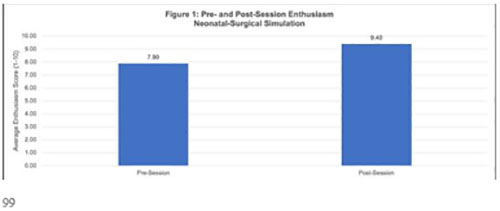
                                                                                                                                                            Supporting Figure


                                                                                                                                                            A61 From Opportunistic Events to Integrated Learning: Developing a Coordinated Simulation Programme in A Large Children’s Hospital

                                                                                                                                                            Aala Farah1, Mervat Elyas1, Hannah Shore1, Claire Breidenbach-Roe1, Abigail Kiley1, Leanne George1

                                                                                                                                                            [1] Leeds Teaching Hospitals Trust, Leeds, United Kingdom

                                                                                                                                                            Correspondence: a.sithirapathy2@nhs.net

                                                                                                                                                            Context and Purpose:

                                                                                                                                                            Simulation-based education (SBE) is well established in paediatrics; however, delivery often remains opportunistic and disconnected from organisational learning, limiting its impact on patient safety and multidisciplinary practice [1]. At Leeds Children’s Hospital, we repositioned simulation from an isolated educational activity to a coordinated, system-integrated strategy. This aligns simulation with patient safety priorities, utilises stakeholder leadership structures, and embeds cross-speciality collaboration, enhancing organisational learning and clinical performance [2].

                                                                                                                                                            Approach/Description of Practice:

                                                                                                                                                            We embedded a structured monthly in situ simulation programme across each paediatric speciality (general paediatrics, respiratory, oncology, neurology, nephrology, hepatology, neonatal and paediatric intensive care), alongside neonatal-paediatric surgery and neonatal-paediatric emergency department collaborations, targeting high-risk clinical interfaces. This expanded to 61 planned sessions between March and September 2026, compared with 34 in the preceding six months. The programme was developed with insights from key stakeholders, including medical and nursing educators, the deteriorating patient group, Leeds Inpatient Outreach Nursing service, infection control, and the Resident Doctors’ Forum to reflect organisational priorities and system challenges. The team delivered themed simulations (e.g., central line-associated infection, cardiac tamponade, and major haemorrhage activation) across multiple wards. We fostered psychological safety through structured pre-briefing and post-event debriefing.

                                                                                                                                                            Learning, Outcomes and Impact:

                                                                                                                                                            From September 2025 to March 2026, we delivered 34 sessions involving 239 multidisciplinary team (MDT) participants (Figure 1). Feedback indicated high relevance (9.4/10) and enjoyment (9.0/10) associated with the sessions, alongside a notable increase in enthusiasm for future participation (from 7.3 to 9.0). Qualitative analysis demonstrated a shift towards systems-focused learning, with improved communication, leadership, and shared mental models. Participants reported clearer role allocation, earlier escalation, and enhanced MDT coordination using structured approaches (e.g. ABCDE assessment, SBAR handover). Feedback also identified latent safety threats and operational barriers (clinical acuity, limited setup time, and restricted equipment access), informing improvements towards safer, more coordinated acute care.

                                                                                                                                                            Reflections and Transferability:

                                                                                                                                                            Integration within clinical workflows, strong senior support, and multidisciplinary input were key to success. Alignment with organisational priorities enhanced engagement and mitigated barriers, enabling a shift from an optional activity to a core component of clinical governance. This approach positions simulation as a driver of safer, more cohesive paediatric care, with clear transferability to other settings. Future work should evaluate its impact on longer-term patient outcomes.

                                                                                                                                                            Ethics Statement:

                                                                                                                                                            As the submitting author, I can confirm that all relevant ethical standards of research and dissemination have been met. Additionally, I can confirm that the necessary ethical approval has been obtained, where applicable.

                                                                                                                                                            Conflict of Interest:

                                                                                                                                                            N/A

                                                                                                                                                            References

                                                                                                                                                            1. Tolson OJ. Exploring and Addressing Barriers to Multidisciplinary Simulation Training in Paediatrics. Journal of Pediatrics and Pediatric Medicine [Internet]. 2025;6(2):1–8. Available from: https://www.pediatricsresearchjournal.com/articles/exploring-and-addressing-barriers-to-multidisciplinary-simulation-training-in-paediatrics.pdf

                                                                                                                                                            2. D’Arienzo D, Dandavino M, Matte A, Welsh S, Rich C, Korah N. Implementing an Interprofessional Simulation Program for Paediatric Patient Safety. The Clinical Teacher. 2026 Jan 7;23(1).
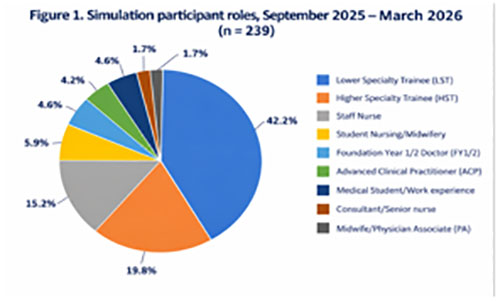
                                                                                                                                                            Supporting Figure


                                                                                                                                                            A62 “Emergency Medicine Skills & Drills”: an in-situ rapid cycle deliberate practice simulation programme to improve staff confidence and equipment familiarity in the emergency department

                                                                                                                                                            Jen Wei Lee1, Eric Richardson1, Catherine Holmes1

                                                                                                                                                            [1] Leeds Teaching Hospitals NHS Trust, Leeds, United Kingdom

                                                                                                                                                            Correspondence: jenleewei24@gmail.com

                                                                                                                                                            Context and Purpose:

                                                                                                                                                            The emergency department (ED) consists of a multidisciplinary workforce that attends to a wide spectrum of clinical presentations, necessitating broad and adaptable skill sets. Additionally, a local survey demonstrated that 45% of staff were unaware of the location of essential equipment which potentially contributed to delays during emergencies observed locally, posing a risk to patient safety. In response, an “Emergency Medicine (EM) Skills & Drills” initiative was introduced, designed as in-situ simulation sessions using a rapid cycle deliberate practice (RCDP) model approach, which has shown to support skill acquisition [1]. The aim is to improve staff confidence in core emergency skills and enhance familiarity with ED equipment and environment.

                                                                                                                                                            Description of Practice:

                                                                                                                                                            Monthly sessions were conducted from February 2025, incorporating simulated emergency scenarios requiring specific skills and ED equipment such as newborn resuscitaire use, nasal tampon insertion, pelvic binder and cervical collar application. Participants included a diverse ED team - nurses, resident doctors, advanced clinical practitioners, physician associates, and students. Each session accommodated approximately 15 staff, organised into small groups and delivered as consecutive mini-sessions over two hours. A structured 15-minute RCDP cycle (‘brief, do, feedback, repeat’) was used to reinforce reflection-in-action learning [1]. Facilitators also used established training resources [2] as a guide when designing sessions.

                                                                                                                                                            Learning, Outcomes and Impact:

                                                                                                                                                            117 pre-session and 113 post-session questionnaires were collected anonymously from February 2025 to April 2026. Median self-reported confidence in performing targeted skills increased from 2 (not confident) pre-session to 4 (confident) post-session on a 5-point Likert scale. Equipment familiarity increased from a median of 2 (not familiar) to 5 (very familiar), while staff knowledge of equipment location rose from 30.8% to 88% (a 58% absolute increase). Facilitators also observed peer-assisted learning aligned with Vygotsky’s Zone of Proximal Development theory [3], whereby more experienced staff supported less experienced colleagues.

                                                                                                                                                            Reflections and Transferability:

                                                                                                                                                            86.7% of participants rated the sessions as useful or very useful, suggesting engagement and acceptability of this initiative. Challenges included delivering consistent in-situ sessions during busy clinical periods and addressing diverse learning needs within groups, which occasionally resulted in variability in RCDP implementation. Although findings show improved perceived confidence and familiarity, these may not reflect actual clinical performance and are subject to self-reporting bias. Further objective evaluation is required to determine whether “EM Skills & Drills” supports long-term skill retention and whether these improvements translate into measurable clinical competence and patient safety outcomes.

                                                                                                                                                            Ethics Statement:

                                                                                                                                                            As the submitting author, I can confirm that all relevant ethical standards of research and dissemination have been met. Additionally, I can confirm that the necessary ethical approval has been obtained, where applicable.

                                                                                                                                                            Conflict of Interest:

                                                                                                                                                            N/A

                                                                                                                                                            References

                                                                                                                                                            1. Peng CR, Schertzer K. Rapid Cycle Deliberate Practice in Medical Simulation. [Updated 2023 Jul 24]. In: StatPearls [Internet]. Treasure Island (FL): StatPearls Publishing; 2026. Available from: https://www.ncbi.nlm.nih.gov/books/NBK551533/ [Accessed 20 April 2026].

                                                                                                                                                            2. East Midlands Emergency Medicine Network. Emergency Medicine Resuscitation Drills Handbook. Nottingham: EM Network; 2024.

                                                                                                                                                            3. Vygotsky, LS. Mind in Society: The Development of Higher Psychological Processes. Cambridge, MA: Harvard University Press; 1978.
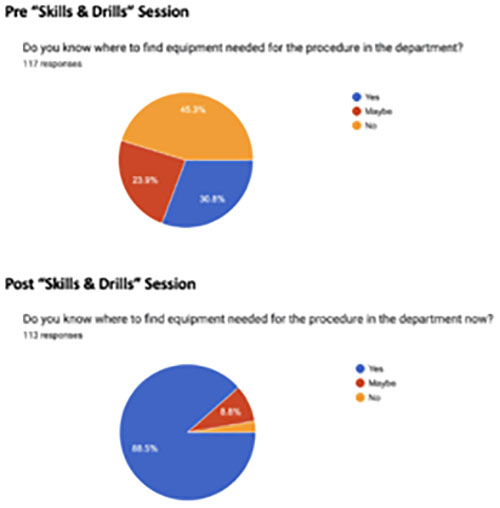
                                                                                                                                                            Supporting Figure


                                                                                                                                                            A63 From Incident to Simulation: Embedding a Trust-Based Framework for Learning from Clinical Events

                                                                                                                                                            Julie Turner1, Yvonne Thorp1

                                                                                                                                                            [1] University Hospitals Sussex, Chichester, United Kingdom

                                                                                                                                                            Correspondence: julie.turner6@nhs.net

                                                                                                                                                            Context and Purpose:

                                                                                                                                                            At University Hospitals Sussex (UHSx), simulation had been used following clinical incidents; however, practice was inconsistent, variable in quality, and lacked a clear governance structure or referral pathway. A significant multi‑team clinical incident highlighted issues relating to communication, workflow, and human factors. Simulation was identified as a post‑incident learning tool.

                                                                                                                                                            This incident prompted the development of a formal, Trust‑wide Simulation After-Incident Framework. The purpose was to create a consistent, reproducible, and governance‑aligned approach to post‑incident simulation that supports staff psychological safety and complements PSIRF principles. Simulation was selected as it enables exploration of complex systems, identification of latent safety threats and shared multidisciplinary learning.

                                                                                                                                                            Approach/Description of Practice:

                                                                                                                                                            Using the incident as a starting point, the Simulation Team collaborated with Clinical Governance mechanisms, MuscoSkeletal Nursing, Alcohol Liaison services, and clinical leads to co‑design a structured pathway for development of learning from clinical incident. This pathway was iterative, with stages tested and formalised into a codified framework.

                                                                                                                                                            Key elements included defined criteria for simulation use, a standardised referral pathway, collaborative scenario co‑design, a pre‑delivery safety assurance process, consistent delivery and debrief methodology, and a post‑simulation review process to translate findings into system improvements. Supporting infrastructure included scenario templates, reporting tools, action trackers, and a coding system to ensure governance traceability. These components informed the Simulation After-Incident Policy, aligning roles, responsibilities, and KPIs with Trust governance and PSIRF expectations.

                                                                                                                                                            Learning, Outcomes and/or Impact:

                                                                                                                                                            The pilot simulation identified latent safety threats and informed immediate local workflow and communication changes, alongside Trust‑wide recommendations. The Framework and Policy are progressing through governance review, with early adoption underway. The original scenario has been embedded into the Foundation Simulation Programme, supporting organisation‑wide learning.

                                                                                                                                                            Reflections and Transferability:

                                                                                                                                                            Strong collaboration enhanced engagement and psychological safety, although co‑design and assurance processes were time‑intensive. The Framework is transferable to other organisations working within PSIRF and adaptable across clinical contexts.

                                                                                                                                                            Ethics Statement:

                                                                                                                                                            As the submitting author, I can confirm that all relevant ethical standards of research and dissemination have been met. Additionally, I can confirm that the necessary ethical approval has been obtained, where applicable.

                                                                                                                                                            Conflict of Interest:

                                                                                                                                                            N/A


                                                                                                                                                            A64 Why Your Voice Matters: Using Simulation to Strengthen Speaking Up Culture and Transform Values Based Behaviour in Multi-Professional Healthcare Teams- a Collaborative Project

                                                                                                                                                            Dana Kelly1, Andrew Jacques1, Helen Bilton2

                                                                                                                                                            [1] Royal Berkshire NHS Foundation Trust, Reading, United Kingdom

                                                                                                                                                            [2] University of Reading, Reading, United Kingdom

                                                                                                                                                            Correspondence: danakelly@doctors.org.uk

                                                                                                                                                            Introduction:

                                                                                                                                                            A strong organisational culture grounded in shared values is essential for patient safety and high quality care [1]. Despite widespread awareness of the importance of professional values across the NHS workforce, staff continue to report barriers to speaking up about behaviours/practices that conflict with these values. Transformational approaches are required to strengthen staff empowerment, enhance psychological safety, and promote sustainable culture change. A short, intentionally designed simulation guided workshop can become a strategic tool to reshape cultural norms [2].

                                                                                                                                                            Research Question:

                                                                                                                                                            Can using a simulation-enhanced workshop improve engagement with values training in healthcare organisations?

                                                                                                                                                            The project aimed to assess efficacy of a focused workshop based around two short pre-recorded simulations designed to raise participants’ awareness of their impact within teams, exploring barriers to speaking up, appreciating when one is being spoken up to, and sharing strategies to safely challenge behaviours.

                                                                                                                                                            Methods:

                                                                                                                                                            A mixed methods evaluation was undertaken. Multi-professional participants completed a pre-survey prior to attending a 50minute, simulation-facilitated workshop and a post survey 4–6 weeks later. Two specifically-created recorded simulation scenarios representing contrasting multi-disciplinary team (MDT) working were utilised to prompt structured reflection and discussion. An interview with the simulated patient and their in-role perspective was included. Nineteen participants completed the post survey, and six participated in semi structured interviews exploring perceived impact on behaviour and team dynamics.

                                                                                                                                                            Results:

                                                                                                                                                            Post survey responses demonstrated substantial increases in participants’ understanding of the Trust CARE values (84% reporting high/very high confidence) and strengthened self-reported empowerment to speak up (79% feeling /highly empowered). Participants reported heightened awareness of when values were/were not being enacted. Interview themes highlighted (1) MDT simulation as an effective catalyst for safe discussion: “the videos gave us a starting point, a safe thing to be able to talk, and I liked the different way the MDT was represented” (2) increased reflective capacity and appreciation of others’ perspectives, “Definitely made me reflect.…it just brings you back to, actually like I can get huffy and puffy, whatever, but the patient is at the centre of my care” and (3) greater confidence in addressing problematic behaviours. Despite these improvements, a proportion of participants continued to experience speaking-up barriers.

                                                                                                                                                            Discussion:

                                                                                                                                                            This study demonstrated that participant observation of simulated behaviours in an MDT healthcare setting is a highly effective tool for promoting reflection, supporting perspective taking and facilitating team -based discussions centred around behaviours and how they impact upon patient safety.

                                                                                                                                                            Ethics Statement:

                                                                                                                                                            As the submitting author, I can confirm that all relevant ethical standards of research and dissemination have been met. Additionally, I can confirm that the necessary ethical approval has been obtained, where applicable.

                                                                                                                                                            Conflict of Interest:

                                                                                                                                                            N/A

                                                                                                                                                            References

                                                                                                                                                            1. Umoren R, Kim S, Gray MM, Best JA, Robins L. Interprofessional Model on Speaking up Behaviour in Healthcare professionals: a Qualitative Study. BMJ Leader. 2021 Apr 26;6(1):15–9.

                                                                                                                                                            2. Purdy E, Alexander C, Caughley M, Bassett S, Brazil V. Identifying and Transmitting the Culture of Emergency Medicine Through Simulation. Egan D, editor. AEM Education and Training. 2019 Feb 27;3(2):118–28.


                                                                                                                                                            A65 Optimising Emergency Thrombolysis Preparedness for Acute Pulmonary Embolism Through Simulation-Based Education: A Two-Cycle Quality Improvement Study

                                                                                                                                                            Radha Brown1

                                                                                                                                                            [1] University Hospital Tees, Middlesbrough, United Kingdom

                                                                                                                                                            Correspondence: rbrown11@nhs.net

                                                                                                                                                            Introduction:

                                                                                                                                                            Acute pulmonary embolism (PE) remains a critical global health challenge, associated with substantial morbidity and mortality [1]. Although evidence‑based guidelines exist, timely recognition and delivery of thrombolysis continue to be hindered by variation in clinical practice, inconsistent access to specialist support, and limited frontline experience, particularly within respiratory ward settings, where thrombolysis is performed infrequently. These factors contribute to reduced staff confidence and gaps in multidisciplinary readiness. This Quality Improvement Project (QIP) sought to determine whether structured, in‑situ simulation‑based education could optimise multidisciplinary team (MDT) preparedness for the emergency management of acute PE requiring thrombolysis.

                                                                                                                                                            Method:

                                                                                                                                                            Two cycles of targeted simulation training were delivered over an 18‑week period to medical and nursing staff within a respiratory unit. Cycle 1 centred on improving clinical recognition of massive and sub-massive PE as a differential diagnosis in deteriorating patients, while Cycle 2 focused on thrombolysis‑specific decision‑making, protocol adherence, drug preparation, and Multidisciplinary team (MDT) coordination.

                                                                                                                                                            A retrospective pre‑ and post‑intervention survey assessed confidence and understanding across six domains, including recognition of high‑risk PE, thrombolysis indications and contraindications, drug knowledge, leadership behaviours, and familiarity with the Trust’s PE protocol. A total of 43 staff members participated, representing a multidisciplinary cohort. Early simulations exposed several system‑level vulnerabilities, including inconsistent protocol availability, uncertainty regarding thrombolytic drug (Alteplase) administration, limited awareness of alteplase monitoring requirements, and unclear allocation of the MDT role. These insights informed iterative refinements through Plan‑Do‑Study‑Act (PDSA) methodology, shaping the design and delivery of Cycle 2.

                                                                                                                                                            Results:

                                                                                                                                                            Following completion of both cycles, improvement was observed across all assessed domains (see Table 1). The most notable progression related to thrombolytic drug administration is demonstrating enhanced procedural confidence. Familiarity with the Trust’s PE protocol improved substantially: prior to training, 25% of participants were aware of the protocol, whereas by the end of Cycle 2, unfamiliarity had been eliminated. Staff feedback was unanimously positive, with 97% affirming the value of simulation‑based education.

                                                                                                                                                            Discussion:

                                                                                                                                                            This QIP demonstrates that structured, in‑situ simulation serves as an effective mechanism for strengthening clinical competency, enhancing MDT performance, and improving protocol familiarity in the management of acute PE. The findings support ongoing integration of simulation into continuous training to cover newcomers to the unit.

                                                                                                                                                            Digital integration of thrombolysis prescription and frequency of observations, and improved accessibility to a tangible folder containing thrombolysis guidelines, drugs, alteplase side effects, administration and preparation, observation and escalation point has been implemented successfully.

                                                                                                                                                            Ethics Statement:

                                                                                                                                                            As the submitting author, I can confirm that all relevant ethical standards of research and dissemination have been met. Additionally, I can confirm that the necessary ethical approval has been obtained, where applicable.

                                                                                                                                                            Conflict of Interest:

                                                                                                                                                            N/A

                                                                                                                                                            References

                                                                                                                                                            1. Al Worafi YM. Medicine education, practice, and research in Yemen. In: Handbook of Medical and Health Sciences in Developing Countries. Cham: Springer; 2024. pp. 1–48. doi: 10.1007/978-3-030-74786-2_401-1.

                                                                                                                                                            Supporting Table

                                                                                                                                                            Table 1.
                                                                                                                                                            Improvement in all assessed areas after the completion of both cycles
                                                                                                                                                            Domain Pre-intervention Post-cycle 1 Post-cycle 2
                                                                                                                                                            Recognising high-risk PE 6.0 7.4 9.0
                                                                                                                                                            Indications for thrombolysis 4.1 6.0 8.2
                                                                                                                                                            Contraindications 3.0 5.1 7.6
                                                                                                                                                            Administering thrombolytics 2.0 3.0 5.9
                                                                                                                                                            MDT participation and leadership 5.0 6.4 8.6

                                                                                                                                                            Protocol familiarity (n=20)

                                                                                                                                                            Stage Yes Somewhat No
                                                                                                                                                            Pre-intervention 5 3 12
                                                                                                                                                            Post-cycle 1 10 6 4
                                                                                                                                                            Post-cycle 2 18 2 0

                                                                                                                                                            A66 Identifying and reducing resuscitation risks during building maintenance via transformative simulation

                                                                                                                                                            Phil Gurnett1, Deane Sherry1, Charlotte Watts1, Emma Bridge1, Adrian Palmer1

                                                                                                                                                            [1] Kings College Hospital NHS Foundation Trust, United Kingdom

                                                                                                                                                            Correspondence: philip.gurnett@nhs.net

                                                                                                                                                            Background:

                                                                                                                                                            With approximately 25% of NHS buildings constructed between 1948 and 1974 (1), ageing infrastructure presents ongoing risks to safe healthcare delivery, particularly during planned estate maintenance. Such disruption can compromise the management and evacuation of deteriorating patients, especially those requiring resuscitation, and is exacerbated in multi-storey clinical environments. The resuscitation team applied Transformative Simulation (TfS) (2) practices to proactively identify and mitigate latent safety threats during planned building works in a tertiary dental and maxillofacial unit.

                                                                                                                                                            Methods:

                                                                                                                                                            A programme of in situ, sequential simulation (3) was conducted to examine the management and evacuation of deteriorating patients using existing resources. Interdisciplinary teams—including resuscitation practitioners, clinical staff, and operational personnel—participated in scenario-based simulations embedded within the clinical environment. Latent safety threats were identified through structured observation and debrief. Findings informed co-designed environmental adaptations and workflow modifications with clinical and non-clinical stakeholders. These interventions were subsequently tested in a second simulation phase within a reconfigured clinical space.

                                                                                                                                                            Discussion:

                                                                                                                                                            Initial simulations identified key latent safety threats, including delayed evacuation, constrained access routes, and limitations in staffing and equipment availability. Following targeted interventions, subsequent simulations demonstrated improved team ergonomics, enhanced access to critical equipment, and more coordinated team responses during resuscitation and evacuation. Teams showed increased efficiency in initiating resuscitation while maintaining patient flow and safety during transfer in simulations. This was put to test with a live emergency transfer with lessons put into practice.

                                                                                                                                                            Conclusion:

                                                                                                                                                            TfS offers a practical, scalable approach to identifying and mitigating latent safety threats during infrastructure disruption. Embedding simulation within operational planning enabled real-time feedback and rapid system adaptation, supporting safer patient pathways and improved team performance. This approach is transferable to other high-risk clinical settings undergoing estate redevelopment and highlights the value of simulation as a proactive safety and systems improvement tool.

                                                                                                                                                            Ethics Statement:

                                                                                                                                                            As the submitting author, I can confirm that all relevant ethical standards of research and dissemination have been met. Additionally, I can confirm that the necessary ethical approval has been obtained, where applicable.

                                                                                                                                                            Conflict of Interest:

                                                                                                                                                            N/A

                                                                                                                                                            References

                                                                                                                                                            1. Pantzartzis E, Deka L, Price A, et al. Sustainable management of NHS assets backlog maintenance. Built Environment Project and Asset Management. 2016;6(5):535–52 doi: 10.1108/BEPAM-09-2015-0055.

                                                                                                                                                            2. Gurnett P, Weldon S, Spearpoint K, Buttery A. Transformative Simulation: To patient safety and beyond in Cox C, Hughes H, Nichols J. Patient Safety: Emerging application of safety science. Bridgwater. Class Publishing; 2024.

                                                                                                                                                            3. Weldon S, Ralhan S, Paice E, Kneebone R, Bello F. Sequential simulation (SqS): An innovative approach to educating GP receptionists about integrated care via a patient journey- A mixed methods approach. BMC Family Practice. 2015;16:109. doi: 10.1186/s12875-015-0327-5.


                                                                                                                                                            A67 Using Simulation and Healthcare Failure Mode and Effects Analysis (HFMEA) to Identify Latent Safety Threats During the Building and Commissioning of a New Three-Floor Hospital Wing

                                                                                                                                                            Ben Hester1, Deborah Glenny1, Victoria Hembrow1, Esther Wilson1, Christian Chalker1

                                                                                                                                                            [1] Somerset NHS Foundation Trust, Taunton, United Kingdom

                                                                                                                                                            Correspondence: ben.hester@somersetft.nhs.uk

                                                                                                                                                            Introduction:

                                                                                                                                                            Expansion and redesign of hospital services introduce significant operational and patient safety risks during capital development. Traditional commissioning approaches may not consistently identify latent safety threats arising from interactions between the built environment, clinical processes and human factors [1]. Simulation-based clinical systems testing, when combined with Healthcare Failure Mode and Effects Analysis (HFMEA), provides a structured and evidence-based method to identify and prioritise risks before patient exposure [2,3]. This project evaluated the integration of simulation and HFMEA during the building and commissioning of a new three-storey hospital wing incorporating expanded theatres, increased intensive care unit (ITU) capacity, redesigned endoscopy services and relocation of a theatre admissions and recovery pathway. The research question was: Can simulation supported by HFMEA systematically identify and mitigate latent safety threats prior to go-live in complex clinical environments?

                                                                                                                                                            Methods:

                                                                                                                                                            A simulation-based systems testing programme was embedded within the capital project timeline and delivered across two phases. Phase one focused on early risk identification during mid-stage construction and comprised 31 hours of simulation activity. Phase two supported extended commissioning and early operational readiness and consisted of 80 hours of simulation delivered. Simulation methods included structured walk-throughs, tabletop simulations and multidisciplinary engagement sessions involving clinical, estates, IT, facilities and operational teams. Clinical areas included operating theatres (increased spatial footprint and equipment complexity), ITU (capacity expansion and change in nursing model), endoscopy (service growth and revised room layouts) and a relocated theatre admissions unit. Latent safety threats identified during simulation were documented and analysed using an HFMEA framework to categorise, prioritise and inform mitigation [2].

                                                                                                                                                            Results:

                                                                                                                                                            Across both phases, 120 latent safety threats were identified prior to patient admission. Theatres generated risks relating to complex equipment interfaces, layout and workflow within expanded spaces. ITU simulations identified threats linked to visibility, staffing configuration and emergency access associated with the new nursing model. Endoscopy testing highlighted room layout and patient flow issues impacting privacy, monitoring and efficiency. HFMEA analysis of the theatre admissions and recovery pathway identified risks at transition points between first- and second-stage recovery, including communication, escalation and patient tracking. All identified risks were mitigated before opening through environmental modification, process redesign or targeted training.

                                                                                                                                                            Discussion:

                                                                                                                                                            Simulation integrated with HFMEA identified a high volume of system-level risks that would not have been detected through standard commissioning alone [2,3]. The major finding was that this combined approach translated architectural design into safer clinical practice, supporting a safer go-live and sustained operational-readiness.

                                                                                                                                                            Ethics Statement:

                                                                                                                                                            As the submitting author, I can confirm that all relevant ethical standards of research and dissemination have been met. Additionally, I can confirm that the necessary ethical approval has been obtained, where applicable.

                                                                                                                                                            Conflict of Interest:

                                                                                                                                                            N/A

                                                                                                                                                            References

                                                                                                                                                            1. Catchpole K, Perkins C, Bresee C, Solinas M, Venkatesh A, Reddy R, et al. Safety, efficiency and learning curves in simulation-based design testing. BMJ Qual Saf. 2017;26(8):651–9.

                                                                                                                                                            2. Colman N, Stone K, Arnold J, Doughty C, Reid J, Younker S, et al. Prevent safety threats in new construction through integration of simulation and failure mode and effects analysis. Pediatr Qual Saf. 2019;4(4):e189.

                                                                                                                                                            3. Holmes J, Chipman M, Barbour T, DiLisio C, Morejon O, Graydon-Baker E, et al. A simulation systems testing program using healthcare failure mode and effects analysis methodology can effectively identify and mitigate latent safety threats for a new on-site helipad. Jt Comm J Qual Patient Saf. 2022;48(1):12–24.


                                                                                                                                                            A68 Capturing Real Change: Designing Our Feedback System to Measure True Effect

                                                                                                                                                            Jessica Webster1, Elizabeth Vincent1, Alasdair Ross1, Daniel Carter1, Nicole Grossman1, Amy Dines1, Ansel Godinho1, Emma Broughton1, Linda Chigaru1, Cristine Sortica Da Costa1

                                                                                                                                                            [1] Great Ormond Street Hospital for Children Learning Academy, London, United Kingdom

                                                                                                                                                            Correspondence: jessica.webster3@nhs.net

                                                                                                                                                            Context and Purpose:

                                                                                                                                                            Garnering learners’ feedback on a learning event is integral to the continued development and improvement of educational programmes. A commonly used schema for learning evaluation in medical education is the Kirkpatrick Model [1]. This divides the impact of a learning event into four levels, aiming to determine whether an intervention creates change. At the Clinical Simulation Centre at Great Ormond Street Hospital for Children, review of our feedback mechanisms revealed a variety of methods being used, including informal verbal feedback and formal electronic surveys. There was no standardisation across surveys, and 100% of surveys measured impact at Kirkpatrick Level 1–2 (participant satisfaction and acquisition of knowledge/skills/confidence).

                                                                                                                                                            Approach/Description of Practice:

                                                                                                                                                            We designed new standardised evaluation forms to be used across all courses; one completed immediately post-course and another three months after. These had an emphasis on capturing change as a result of the event, in line with Kirkpatrick Levels 3 and 4 (intended impact on future practice and long-term impact on practice respectively). Data was analysed using a mixed-methods approach to enable assessment of both quantitative and qualitative responses.

                                                                                                                                                            Learning, Outcomes and/or Impact:

                                                                                                                                                            98% of respondents completing the survey immediately after the course reported they anticipated a change to their day-to-day practice as a result, compared to 67% of respondents completing the survey 3 months after. 53% of respondents identified changes that had occurred in their team or organisation as a result of the course at 3 months. Key themes from the qualitative responses included increased confidence, understanding, and improved communication, and were shared across timepoints.

                                                                                                                                                            Reflections and Transferability:

                                                                                                                                                            Incorporating the Kirkpatrick Model into evaluation design has enabled us to focus more on the impact of courses on clinical practice, and encouraged a more reflective approach to evaluation. Incorporation of three month follow-up data revealed a sizable difference between expected and actual changes to practice. Gathering data at this time point may enable a better appreciation of the impact of learning interventions, and therefore better shape such interventions to the needs of our candidates. A 3 month data collection timepoint is easily transferable to other contexts.

                                                                                                                                                            Ethics Statement:

                                                                                                                                                            As the submitting author, I can confirm that all relevant ethical standards of research and dissemination have been met. Additionally, I can confirm that the necessary ethical approval has been obtained, where applicable.

                                                                                                                                                            Conflict of Interest:

                                                                                                                                                            N/A

                                                                                                                                                            References

                                                                                                                                                            1. Kirkpatrick DL, Kirkpatrick JD. Implementing the four levels: A practical guide for effective evaluation of training programs. Berrett-Koehler Publishers; 2007 Oct 8.


                                                                                                                                                            A69 Testing the System Before the Patient: Using In-Situ Simulation to Identify and Mitigate Latent Safety Threats in a New Day Surgery Unit

                                                                                                                                                            Ava Zamani1, Kubra Boza1, Megan Docksey1, Maria Jimenez Carrera1, Joanna Morley1, Mihir Patel1, Stephen Hamshere1

                                                                                                                                                            [1] Barts Health NHS Trust, London, United Kingdom

                                                                                                                                                            Correspondence: a.zamani@nhs.net

                                                                                                                                                            Background and Aims/Objectives:

                                                                                                                                                            Simulation is increasingly recognised as a tool for systems testing, service development, and improving patient safety. New clinical environments are particularly vulnerable to latent safety threats, especially during time-critical events such as cardiac arrest.

                                                                                                                                                            In 2026, a new day surgery unit opened at a Hospital in London. We proposed the use of simulation training in situ at the new site to identify, understand, and mitigate any latent safety threats prior to opening, thus supporting safe system implementation and organisational readiness before full-service delivery. A key objective was to generate collective learning across multidisciplinary teams and inform the development of standard operating procedures.

                                                                                                                                                            Methods/Approach:

                                                                                                                                                            Two in-situ simulations were conducted in March 2026, with 1 week in between scenarios. Both simulations were based on an intra-operative cardiac arrest scenario requiring the emergency team to respond from across the hospital campus, and requiring patient transfer to critical care, which was located in an adjacent building. Each simulation scenario was followed by a structured debrief in which a systems-based approach was adopted to analyse interactions between people, tasks, environment, tools, and organisational processes [1]. Time between simulations allowed teams to address latent safety threats identified during the initial simulation and, in the follow-up simulation, to re-test systems following targeted interventions. Our findings were shared with multidisciplinary stakeholders, including clinical teams, site management and support services, to inform iterative system redesign.

                                                                                                                                                            Results/Outcomes:

                                                                                                                                                            The second simulation demonstrated improved emergency team response times, with responders reporting route rehearsal aided familiarity. Several latent safety threats were identified including:

                                                                                                                                                              •Unclear access routes, signage, and badge access for emergency teams

                                                                                                                                                              •Lack of a standardised patient transfer pathway between sites

                                                                                                                                                              •Challenges with equipment location, emergency call activation, and switchboard processes

                                                                                                                                                            Targeted improvements were implemented, including route standardisation, enhanced signage, equipment co-location, introduction of daily safety huddles, and updates to emergency communication processes.

                                                                                                                                                            Conclusions/Impact:

                                                                                                                                                            In-situ simulation directly informed operational planning prior to full site opening, improving system readiness, reducing risk, and strengthening emergency response capability. By supporting collective understanding and stakeholder engagement, simulation can play a critical role in the development of standard operating procedures and even has the potential to inform organisational culture. This work demonstrates how simulation can move beyond training to influence practice, supporting safety and quality within the healthcare environment.

                                                                                                                                                            Ethics Statement:

                                                                                                                                                            As the submitting author, I can confirm that all relevant ethical standards of research and dissemination have been met. Additionally, I can confirm that the necessary ethical approval has been obtained, where applicable.

                                                                                                                                                            Conflict of Interest:

                                                                                                                                                            N/A

                                                                                                                                                            References

                                                                                                                                                            1. NHS England. Patient safety incident response framework: supporting guidance – engaging and involving patients, families and staff following a patient safety incident [Internet]. London: NHS England; 2022 [updated 2024]. Available from: https://www.england.nhs.uk/publication/patient-safety-incident-response-framework-and-supporting-guidance/ [Accessed 16 November 2026].


                                                                                                                                                            A70 Simulation-based evaluation of Operational Systems and Processes during the Pre-Opening Phase of Community Hospital Theatres to ensure service readiness

                                                                                                                                                            Radha Brown1

                                                                                                                                                            [1] University Hospital Tees, Middlesbrough, United Kingdom

                                                                                                                                                            Correspondence: rbrown11@nhs.net

                                                                                                                                                            Context and Purpose:

                                                                                                                                                            In preparation for the opening of the new Surgical Hub Unit in June 2025, a comprehensive programme of simulation-based training was implemented to ensure staff familiarity with the environment and to evaluate the suitability of emergency systems and protocols before clinical activity commenced. Aligned with the organisation’s commitment to the Getting It Right First Time (GIRFT) agenda [1], the Surgical Hub Unit became the first within the Trust to use simulation proactively as a system testing methodology before operational launch. The initiative aimed to enhance patient safety, strengthen team readiness, and promote confidence in navigating the redesigned clinical space. The training focused on acclimatising theatre staff to the unit’s layout and workflow, confirming the accessibility and appropriate positioning of emergency equipment and medications, and testing the responsiveness and functionality of emergency call mechanisms. A further objective was to assess how existing protocols translated to the new environment and whether adaptations were required to maintain safe and efficient practice.

                                                                                                                                                            Approach:

                                                                                                                                                            A series of multidisciplinary scenario-based simulation sessions was delivered over two days within the newly established Surgical Hub Unit, engaging nursing staff, operating department practitioners (ODPs), and anaesthetists. The scenarios were deliberately constructed to mirror plausible clinical emergencies anticipated in the new environment, ensuring high contextual relevance and practical applicability. Participation levels were notably high, with 98% of theatre staff involved either as active scenario participants or as observers contributing to structured debriefs. These debrief discussions served as an effective forum for reflective practice, enabling staff to articulate concerns, share experiential insights, and propose actionable improvements.

                                                                                                                                                            Learning Impact:

                                                                                                                                                            Theatre staff prompted several system-level changes, including relocating the anaesthetists’ coffee room to improve alarm audibility, clarifying use of the orange route for emergency location identification, reinforcing the blue light cue for cardiac arrest, and optimising difficult airway trolley placement between theatre rooms for accessibility. The programme strengthened team communication, supported early identification of latent safety risks, and enhanced overall operational preparedness. They found the simulation valuable and evaluated this exercise positively (see Table I).

                                                                                                                                                            Reflections and Transferability:

                                                                                                                                                            A six-month post-implementation review (June–October 2025) reported no incidents related to delays in accessing emergency equipment or summoning assistance, indicating the effectiveness of pre-opening simulation in mitigating risk. The department continues to deliver monthly simulation sessions. The initiative demonstrated the value of simulation for system testing, change management, and workforce preparation, which is transferable to other new clinical environments.

                                                                                                                                                            Ethics Statement:

                                                                                                                                                            As the submitting author, I can confirm that all relevant ethical standards of research and dissemination have been met. Additionally, I can confirm that the necessary ethical approval has been obtained, where applicable.

                                                                                                                                                            Conflict of Interest:

                                                                                                                                                            N/A

                                                                                                                                                            References

                                                                                                                                                            1. Getting It Right First Time (GIRFT). What we do [Internet]. London: NHS England; 2026. Available from: https://gettingitrightfirsttime.co.uk/what-we-do/ [Accessed 27 April 2026].

                                                                                                                                                            Supporting Table

                                                                                                                                                            Table 1.
                                                                                                                                                            Themes of theatre staff evaluation
                                                                                                                                                            Theme Summary of staff feedback
                                                                                                                                                            Confidence in a new environment Staff reported increased confidence in navigating the layout and functional flow of the new Surgical Hub Unit.
                                                                                                                                                            Awareness of resources Participants noted improved familiarity with equipment and drug locations, supporting smoother clinical workflow.
                                                                                                                                                            Understanding of emergency systems Staff gained a clearer understanding of how emergency systems operate within the new space, including alarm responses and protocols.
                                                                                                                                                            Reduced transition anxiety Engagement in realistic rehearsal scenarios helped alleviate anxiety associated with moving into the newly established unit.
                                                                                                                                                            Overall perception of sessions Sessions were described as “engaging,” “practical,” and “reassuring,” with strong appreciation expressed for the opportunity to practise real-world situations in advance of service golive.

                                                                                                                                                            A71 Hidden labour in simulation: supporting simulated participants in emotionally demanding roles

                                                                                                                                                            Scarlet Herbertson1, Carrie Hamilton2, Caroline Tomkins2

                                                                                                                                                            [1] Barts And the London School of Medicine, United Kingdom

                                                                                                                                                            [2] SimComm Academy, United Kingdom

                                                                                                                                                            Correspondence: scarletvherbertson@hotmail.com

                                                                                                                                                            Context and Purpose:

                                                                                                                                                            Simulation frequently recreates emotionally intense clinical scenarios to support learning in communication, teamwork and crisis management. Simulated participants (SPs) are often required to portray highly distressing roles [1], including simulations of acute mental health crises, of bereavement and within safeguarding situations. While considerable attention is given to learner psychological safety and debriefing, SP wellbeing in these contexts is less consistently addressed. This creates an ethical gap within simulation practice. Building on previous work on ethical principles for SP safety and wellbeing [2], this project aimed to strengthen structured support for SPs undertaking emotionally demanding roles.

                                                                                                                                                            Approach/Description of Practice:

                                                                                                                                                            Over a three-year period, SPs have been involved in a high-intensity in-situ simulation programme incorporating scenarios such as a teenager experiencing a psychotic episode, a parent following the death of his baby and a parent involved in a child protection incident. The purpose of these simulations is to facilitate team-based hot debriefs, with SPs, in this context, not contributing feedback and leaving immediately after the scenario.

                                                                                                                                                            In response to the emotional demands, a structured support approach was developed. This includes enhanced preparation, clear role boundaries, psychological check-in and check-out, optional decompression time and access to follow-up support. The approach builds on an ethical framework co-developed with SPs and faculty [2], embedding principles of safety, consent and shared responsibility [3].

                                                                                                                                                            Learning, Outcomes and/or Impact:

                                                                                                                                                            SPs report feeling more contained, prepared and supported in emotionally demanding roles. This supports clearer separation between role and self and reduces emotional carryover following simulation. Faculty have observed a shift in how clinical teams engage with hot debriefs, with greater sensitivity to emotional dynamics and more thoughtful handling of real-time conversations. Evaluation data is being reviewed to explore this further.

                                                                                                                                                            This work aligns with the Transformative domain of the ASPiH Professional Development Framework at the Growth tier, through leading the design and delivery of transformative simulation that generates meaningful insights around ethical practice, psychological safety and participant wellbeing.

                                                                                                                                                            Reflections and Transferability:

                                                                                                                                                            This work highlights the often unseen emotional labour of SPs and the importance of making this visible within simulation design and delivery. Embedding structured support is both achievable and necessary, particularly in high-intensity simulation. Extending an ethical framework into practical processes strengthens both SP experience and faculty awareness, supporting more relational and responsible simulation practice. There is early indication that this approach may influence wider clinical practice, particularly around emotionally aware debriefing.

                                                                                                                                                            Ethics Statement:

                                                                                                                                                            As the submitting author, I can confirm that all relevant ethical standards of research and dissemination have been met. Additionally, I can confirm that the necessary ethical approval has been obtained, where applicable.

                                                                                                                                                            Conflict of Interest:

                                                                                                                                                            None.

                                                                                                                                                            References

                                                                                                                                                            1. Folorunsho EF, Malabu UH, Anderson E, Malau-Aduli BS. A systematic review of emotional, cognitive, and logistical factors influencing simulated patient performance in simulation-based education. Adv Med Educ Pract. 2025;16:2229–47.

                                                                                                                                                            2. Herbertson S, Hamilton C, Tomkins C, Martin N, Howson K. A105 Involving people with lived experience of working as simulated participants: a framework for ensuring ethical and safe practice. Journal of Healthcare Simulation. 2025 Nov. doi: 10.54531/PMJG7374.

                                                                                                                                                            3. Harder BN, Lemoine J, Chernomas W, Osachuk T. Developing a trauma-informed psychologically safe debriefing framework for emotionally stressful simulation events. Clin Simul Nurs. 2021;51:1–9.


                                                                                                                                                            A72 Use of healthcare simulation activities to foster effective teamwork, communication, and problem-solving among non-healthcare professionals

                                                                                                                                                            Michelle Shuker1, Charlotte Green1

                                                                                                                                                            [1] University Of Staffordshire, Stoke-on-Trent, United Kingdom

                                                                                                                                                            Correspondence: michelle.shuker2@staffs.ac.uk

                                                                                                                                                            Context and Purpose:

                                                                                                                                                            The higher education workforce continues to undergo significant change through restructures and cost-saving measures. Staff are increasingly required to integrate quickly into newly configured teams and establish effective working relationships with unfamiliar colleagues. Following the amalgamation of two university-wide quality assurance and enhancement teams, the question arose as to whether simulation could support team development within the newly formed team. Existing healthcare simulations with a focus on communication, collaboration and problem solving were identified as potential tools for team development.

                                                                                                                                                            Approach/Description of Practice:

                                                                                                                                                            A simulation-based event was designed in response to a request from the new team lead. The session included a pre-brief, tabletop activity, human factors escape room and facilitated debrief aligned with current simulation standards. Two experienced simulation faculty delivered the session to 20 administrative staff with no prior exposure to healthcare simulation.

                                                                                                                                                            The activities were originally developed for undergraduate nursing programmes but required no clinical expertise. The tabletop exercise focused on prioritising community nursing visits, while the escape room used a simulated ward environment to explore teamwork and human factors. Participants were provided with a glossary of healthcare terms, encouraged to focus on team processes rather than clinical content, and supported by facilitators.

                                                                                                                                                            Groups rotated between activities, creating interruptions and task switching intended to mirror the demands of administrative work.

                                                                                                                                                            Learning, Outcomes and/or Impact:

                                                                                                                                                            Learning outcomes were explored through verbal comments shared during the activities and a facilitated group debrief. Feedback was informal and opportunistic; therefore, findings reflect the views of contributors rather than all participants.

                                                                                                                                                            Participants reported that repeatedly moving between activities reflected the interruptions and competing demands of their daily roles. Returning to the tabletop task after an interruption required additional effort to regain momentum, highlighting the importance of effective handovers. Participants also reflected on personal strengths and areas for development, recognising how communication, problem solving and humour contributed to team functioning. Initial apprehension about the healthcare focus diminished as participants recognised the transferability of the underpinning teamwork processes to their own work. The debrief supported both individual insight and collective understanding.

                                                                                                                                                            Reflections and Transferability:

                                                                                                                                                            Using healthcare-based simulations with non-clinical staff encouraged participants to step outside their comfort zones and engage in shared learning. Encountering unfamiliar tasks prompted reflection on teamwork and leadership styles, strengthening group cohesion. Participants left with a clearer understanding of their roles within the newly merged team and how they contribute to its overall functioning.

                                                                                                                                                            Ethics Statement:

                                                                                                                                                            As the submitting author, I can confirm that all relevant ethical standards of research and dissemination have been met. Additionally, I can confirm that the necessary ethical approval has been obtained, where applicable.

                                                                                                                                                            Conflict of Interest:

                                                                                                                                                            N/A

                                                                                                                                                            References

                                                                                                                                                            1. Universities grip financial crisis – but at what cost to the nation? [Internet]. London: Universities UK; 2024. Available from: https://www.universitiesuk.ac.uk/what-we-do/creating-voice-our-members/media-releases/universities-grip-financial-crisis-what [Accessed 27 April 2026].

                                                                                                                                                            2. Diaz-Navarro C, Laws-Chapman C, Moneypenny M, Purva M. The ASPiH Standards – 2023: guiding simulation-based practice in health and care [Internet]. 2023. Available from: https://aspih.org.uk [Accessed 26 April 2026].


                                                                                                                                                            A73 Reaching Further, Training Smarter: NHS Scotland’s Mobile Skills Unit driving transformative simulation training and building resilience in remote & rural Scotland

                                                                                                                                                            Andrea Baker1, Eleanor Barkell2, Angus Cooper3, Tracy Lavelle4, Dave Stoddart5, Lynn Hardie, Catie Paton1

                                                                                                                                                            [1] Public Services Delivery Scotland, Dundee, United Kingdom

                                                                                                                                                            [2] NHS Western Isle, Barra, United Kingdom

                                                                                                                                                            [3] University of Aberdeen, Aberdeen, United Kingdom

                                                                                                                                                            [4] NHS Shetland, Lerwick, United Kingdom

                                                                                                                                                            [5] NHS Greater Glasgow & Clyde, Glasgow, U

                                                                                                                                                            Correspondence: andrea.baker@nhs.scot

                                                                                                                                                            Context/Purpose:

                                                                                                                                                            Remote and rural island communities in Scotland face significant challenges in accessing emergency care. The Western and Shetland Isles are geographically isolated. Barra has a small GP led hospital with no emergency department; major emergencies require air transfer. Similar constraints across island communities place pressure on local healthcare, emergency services and inter-agency coordination.

                                                                                                                                                            The complexity of emergency response highlights the value of integrated, multi-agency approaches. Quality simulation based education was used to develop preparedness, strengthen collaboration ensuring high impact training could be accessed locally.

                                                                                                                                                            Approach/Description:

                                                                                                                                                            Two complementary simulation based initiatives were delivered using the Mobile Skills Unit (MSU). On Barra, a multi-agency major incident simulation was planned involving GPs, nurses, Scottish Ambulance Service, police and fire service crews [1]. A scenario was developed involving a minibus colliding with a cycling family. A whole group pre-brief and co-facilitated debrief enabled a shared, systems focused learning experience underpinned by human factors principles. In the Shetland Isles, the MSU undertook a multi island tour, visiting five locations to deliver multidisciplinary training directly to island communities. The MSU’s design enabled island hopping, despite logistical challenges; ferry scheduling, driver availability and siting of MSU. Training included trauma simulations, specialist outreach programmes and emergency services training. Strong cross sector collaboration was central to tailoring delivery to local needs.

                                                                                                                                                            Learning/Outcomes/Impact:

                                                                                                                                                            At both locations the MSU delivered training to NHS staff and emergency services.

                                                                                                                                                            The Barra major incident exercise enabled participants to explore both clinical management and operational processes in a high stakes simulated environment [1]. The shared experience enhanced understanding of professional roles and responsibilities, improved communication, highlighting the importance of common language and emergency principles. Clear, actionable outputs were documented to inform development of a local major incident response plan [2].

                                                                                                                                                            Across Shetland bringing training directly to island communities improved equity of access, inter-agency preparedness, confidence in trauma, emergency response. Evaluation demonstrated that 90% of participants accessed training not otherwise available.

                                                                                                                                                            Reflections and Transferability:

                                                                                                                                                            These initiatives demonstrate the value of local, multi-agency simulation for remote and rural communities. Training on the MSU enabled high fidelity, contextually relevant education, reduced travel burden, and supported cross service relationship building. Human factors focused debriefing was central to translating simulation into system level learning.

                                                                                                                                                            This model is scalable and transferable to other island and remote settings. Strong local leadership, early planning and cross sector collaboration emerged as critical success factors.

                                                                                                                                                            Ethics Statement:

                                                                                                                                                            As the submitting author, I can confirm that all relevant ethical standards of research and dissemination have been met. Additionally, I can confirm that the necessary ethical approval has been obtained, where applicable.

                                                                                                                                                            Conflict of Interest:

                                                                                                                                                            N/A

                                                                                                                                                            References

                                                                                                                                                            1. Simpson E, McGuinness C, Paton C. (Eds). Major incident simulation (Ch. 8). In “Simulation-Based Education: A Practical Approach for Health and Care Educators”. Elsevier; 2025.

                                                                                                                                                            2. Murphy JP, Bergström C Gyllencruetz L. Rural hospital incident command leaders’ perceptions of disaster preparedness. BMC Emerg Med. 2025;25:45. doi: 10.1186/s12873-025-01201-3.


                                                                                                                                                            A74 When Seconds Matter: Multidisciplinary Team In-Situ Simulation of Cardiac Emergencies within the Catheter Laboratory Setting

                                                                                                                                                            Moncef Seddiki1, Lucie Collinge1, Munazza Khan1, Lampson Fan1

                                                                                                                                                            [1] Royal Wolverhampton NHS Trust, Wolverhampton, United Kingdom

                                                                                                                                                            Correspondence: moncefoualid.seddiki@gmail.com

                                                                                                                                                            Context and Purpose:

                                                                                                                                                            Interventional cardiology has revolutionised the management of acute cardiac emergencies, placing high demands on catheter lab teams to respond rapidly, work cohesively, and manage complex challenges to maximise patient safety. In-situ simulation (iSIM) is a well-established tool facilitating multidisciplinary training in real clinical environments [1,2]. However, despite the evidence and need, this has rarely been done in the catheter lab setting where implementation of iSIM comes with many challenges including technical, logistical and cultural obstacles [2,3]. We describe the successful development and implementation of a catheter lab iSIM programme, offering a scalable model for wider adoption across the wider cardiology network.

                                                                                                                                                            Approach/Description of Practice:

                                                                                                                                                            We developed an iSIM programme within our tertiary cardiology centre. A range of complications and emergency scenarios that arise during percutaneous coronary interventions were simulated, with the use of high-fidelity mannequins and real-life cases with radiological images, all taking place in the real clinical environment. Participants were grouped to include interventionist doctors, theatre nurses, cardiac physiologists, and radiographers. Impact and feedback was obtained via pre- and post-session feedback questionnaires comprising 5-point Likert scales and free-text responses.

                                                                                                                                                            Learning, Outcomes and/or Impact:

                                                                                                                                                            The majority of participants (81%) reported increased confidence and competence, with a large proportion stating that they appreciated the opportunity to practice their skillset in a safe environment with tailored feedback from senior colleagues. Multidisciplinary training was viewed positively across the team, notably the encouragement of knowledge and skills sharing, as well as fostering better clinical collaboration and communication. All participants agreed that the iSIM was beneficial to their practice and useful in promoting patient safety, subsequently, they all would recommend the course to a colleague, and several consider it to be an exercise that should be integrated into future training.

                                                                                                                                                            Reflections and Transferability:

                                                                                                                                                            The cardiac catheterisation iSIM program represents a novel approach for enhancing emergency preparedness in the cath lab setting. By incorporating high-fidelity simulation directly within the clinical environment, the program provides members of the MDT with realistic, context-specific training that are challenging to simulate effectively in traditional settings. This approach has significantly improved team confidence, communication, and coordination during high-stake complex procedures, ultimately strengthening the cath lab’s culture of safety and readiness. Despite constraints in staffing and catheter lab availability, inherent to iSIM, we believe this initiative offers a scalable and reproducible model, serving as a blueprint for implementation across other cardiology centres and adaptable to wider NHS teams.

                                                                                                                                                            Ethics Statement:

                                                                                                                                                            As the submitting author, I can confirm that all relevant ethical standards of research and dissemination have been met. Additionally, I can confirm that the necessary ethical approval has been obtained, where applicable.

                                                                                                                                                            Conflict of Interest:

                                                                                                                                                            N/A

                                                                                                                                                            References

                                                                                                                                                            1. Martin A, Cross S, Attoe C. The Use of in situ Simulation in Healthcare Education: Current Perspectives. Advances in Medical Education and Practice [Internet]. 2020 Nov 1; 11:893–903. Available from: https://pmc.ncbi.nlm.nih.gov/articles/PMC7707431/

                                                                                                                                                            2. Patterson MD, Blike GT, Nadkarni VM. In situ Simulation: challenges and results [Internet]. Advances in Patient Safety: New Directions and Alternative Approaches (Vol. 3: Performance and Tools) - NCBI Bookshelf. 2008. Available from: https://www.ncbi.nlm.nih.gov/books/NBK43682/#:~:text=These%20can%20be%20classified%20as,the%20use%20of%20the%20simulator

                                                                                                                                                            3. Jee M, Murphy E, Umana E, O’Connor P, Khamoudes D, McNicholl B, et al. Exploring barriers and enablers to simulation-based training in emergency departments: an international qualitative study (BEST-ED Study). BMJ Open [Internet]. 2023 Sep 1;13(9): e073099. Available from: https://bmjopen.bmj.com/content/13/9/e073099


                                                                                                                                                            A75 Using Simulation to Identify Systems Issues in the Newly Designed Paediatric Major Haemorrhage Policy

                                                                                                                                                            James Pitts1, Sini John1

                                                                                                                                                            [1] Homerton Healthcare, London, United Kingdom

                                                                                                                                                            Correspondence: j.pitts@nhs.net

                                                                                                                                                            Context and Purpose:

                                                                                                                                                            The majority of adverse events within the NHS are consequences of poorly functioning systems rather than due to actions of omissions of individual clinicians [1].

                                                                                                                                                            Learning from an after-action review following a recent clinical event highlighted multiple areas for improvement within the system including the lack of a specific major haemorrhage policy

                                                                                                                                                            In response a new amendment to the adult major haemorrhage policy was made for paediatric major haemorrhage.

                                                                                                                                                            Approach/Description of Practice:

                                                                                                                                                            In response a new policy was created and the simulation was used to evaluate this. Simulation has previously been shown to be effective for testing new systems and policies to identify any gaps between work-as-done and work-as-imagined [2].

                                                                                                                                                            A high-fidelity multi-disciplinary simulation was created to test the new policy with faculty and candidates from all relevant teams including medical, Emergency Department, Nursing and Haematology teams. The immersive simulation was then analysed using the systems engineering initiative for patient’s safety model (SEIPS)

                                                                                                                                                            The simulation was run through in a designated paediatric teaching session in the resuscitation department and laboratory. For considerations of safety, we decided to run as a non-blinded exercise.

                                                                                                                                                            Learning, Outcomes and Impact:

                                                                                                                                                            Despite being told the simulation was to test a new policy the team didn’t access (until prompted) the policy. The wrong emergency call was requested resulting in the switchboard team put out a major obstetric haemorrhage call resulting in the wrong teams being alerted. The nursing team present at the simulation did not have training to pick up the blood from blood fridge.

                                                                                                                                                            Targeted interventions were implemented, including the development of a resuscitation area poster summarising emergency calls and updating policy to specify exactly what words to use for a major haemorrhage call, improved accessibility of a one-page paediatric major haemorrhage policy summary flowchart, and escalation of paediatric OSCE training gaps to the appropriate educational leads.

                                                                                                                                                            Reflections and Transferability:

                                                                                                                                                            Frequently in response to an adverse incident we are asked to use simulation or teaching sessions to teach the resident medical team on the area of interest. However, more often than not incidents are results of systems issues. By running new guidelines and policies through an in-situ simulation using all teams involved the usability and systems issues can be identified and fixed preventing further adverse incidents. This work, presented at Homerton Patient safety Conference, highlights the value of simulation and systems-based analysis in identifying latent safety threats and supporting implementation of critical guidelines.

                                                                                                                                                            Ethics Statement:

                                                                                                                                                            As the submitting author, I can confirm that all relevant ethical standards of research and dissemination have been met. Additionally, I can confirm that the necessary ethical approval has been obtained, where applicable.

                                                                                                                                                            Conflict of Interest:

                                                                                                                                                            N/A

                                                                                                                                                            References

                                                                                                                                                            1. Rodziewicz TL, Houseman B, Vaqar S, Hipskind JE. Medical error reduction and prevention [Internet]. National Library of Medicine. StatPearls Publishing; 2024. Available from: https://www.ncbi.nlm.nih.gov/books/NBK499956/

                                                                                                                                                            2. Patterson M, Deutsch E, Jacobson L. Simulation: closing the gap between work-as-imagined and work-as-done: reconciling work-as-imagined and work-as-done. Resilient Health Care, 2016:143–52. doi: 10.1201/9781315366838-17.